
What is GPU DePIN in 2026
GPU DePIN (Decentralized Physical Infrastructure Networks) represents a structural shift in how artificial intelligence compute power is distributed. Instead of relying on centralized cloud providers like Amazon Web Services or Microsoft Azure, this model aggregates underutilized graphics processing units from individual owners and smaller data centers into a shared, global network. By treating idle hardware as a liquid resource, GPU DePIN creates a decentralized alternative to traditional cloud infrastructure, offering a more flexible and often cost-efficient layer for AI workloads.
In 2026, the market has matured from experimental prototypes into a functional compute layer. Projects like io.net operate as the infrastructure backbone, connecting GPU owners with AI developers who need scalable processing power. This coordination replaces the rigid capacity planning of traditional data centers with a dynamic marketplace where supply and demand are balanced in real time. The result is a network that can scale rapidly without the massive capital expenditure required to build and maintain proprietary server farms.
The financial logic driving this shift is straightforward: it monetizes waste. Many consumers and small businesses possess high-end GPUs that sit idle for significant portions of the day. By contributing this unused capacity to a DePIN network, owners can generate passive income, while developers gain access to a broader pool of compute resources. This dual-sided value proposition has accelerated adoption, positioning GPU DePIN as a critical component of the emerging decentralized internet economy.
Market Size and Token Economics
The decentralized physical infrastructure network (DePIN) sector has transitioned from experimental prototypes to a significant market force. By early 2026, the combined market capitalization of DePIN projects surged to between $9 billion and $10 billion, surpassing the oracle sector in total value locked. This growth is driven primarily by the demand for decentralized GPU compute power, which serves as the backbone for AI training and rendering workloads.
Monthly on-chain volume for these networks now exceeds $150 million, reflecting substantial real-world usage rather than speculative trading alone. This volume indicates that GPU owners are actively renting out hardware to meet enterprise and developer demand for high-performance computing. The sustained transaction flow suggests a maturing infrastructure layer that is beginning to compete with centralized cloud providers on price and availability.
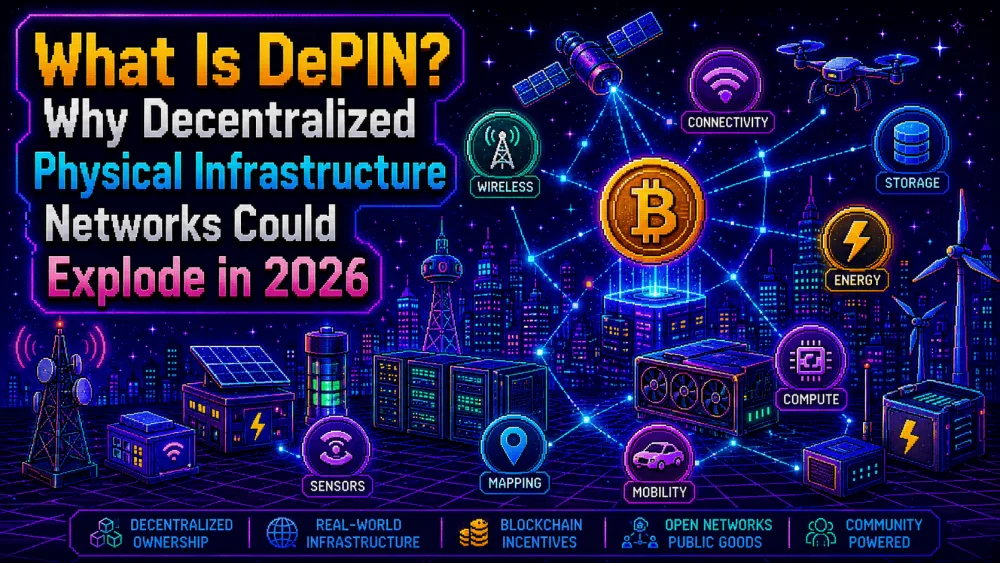
Token economics in this space are closely tied to compute supply. Projects like RENDER (RNDR) and io.net have seen their token prices correlate with network utilization rates. As more GPUs join these decentralized networks, the token velocity often increases, creating a feedback loop where higher demand for compute drives token appreciation, which in turn incentivizes more hardware deployment. This dynamic distinguishes DePIN from traditional tech stocks, where value is derived from corporate earnings rather than direct network utility metrics.
Investors are closely monitoring these metrics to gauge the sector's resilience. The shift from pure speculation to utility-driven valuation is evident in the rising on-chain activity. However, the high volatility of underlying tokens remains a risk factor. Market participants must distinguish between projects with genuine compute demand and those relying solely on speculative hype to maintain their market capitalization.
Top Decentralized Compute Networks
The decentralized GPU market in 2026 is defined by specialized infrastructure rather than a single dominant protocol. Leading networks differentiate themselves through consensus mechanisms, target workloads, and token utility. Understanding these distinctions is essential for developers selecting compute providers and investors evaluating network viability.
The following comparison outlines the structural differences between four major decentralized compute networks. Each platform serves a distinct segment of the AI and rendering market, utilizing different blockchain layers to coordinate resources.
| Network | Consensus Layer | Primary Use Case | Token Symbol |
|---|---|---|---|
| io.net | Solana | AI Training & Inference | IO |
| Render | Solana (Migration) | GPU Rendering & Compute | RNDR |
| Akash | Cosmos | General Purpose Cloud | AKT |
| Kazam | Kazam Chain | High-Performance Compute | KZM |
io.net operates as a compute infrastructure layer on Solana, aggregating underutilized GPUs to create a decentralized cloud. It focuses heavily on AI training and inference workloads, offering competitive pricing for developers who require scalable compute without the overhead of traditional cloud providers [[src-serp-2]].
Render Network has long been the standard for GPU rendering, particularly in creative industries. Its migration to Solana has increased transaction throughput and reduced costs, allowing it to expand into general-purpose AI compute while maintaining its stronghold in 3D rendering and media processing.
Akash Network leverages the Cosmos SDK to provide a decentralized cloud marketplace. Unlike specialized render networks, Akash focuses on general-purpose cloud computing, allowing users to rent GPU power for a wide variety of tasks, from running containers to hosting web applications. Its open architecture makes it a flexible alternative to centralized providers.
Kazam Chain is a newer entrant designed specifically for high-performance decentralized compute. It utilizes its own dedicated blockchain to manage resource allocation and payments, aiming to solve latency and reliability issues common in multi-chain aggregators. Its token model is tied directly to compute contribution and network security.
Enterprise adoption barriers
The promise of decentralized GPU networks lies in cost arbitrage, but enterprise procurement teams prioritize risk mitigation over savings. Big tech has not fully migrated to DePIN compute because the current infrastructure lacks the deterministic reliability required for mission-critical AI training and inference workloads.
Enterprise clients require strict Service Level Agreements (SLAs) and predictable uptime that decentralized, volunteer-based GPU networks currently struggle to guarantee. In traditional cloud environments, providers offer financial compensation for downtime. Decentralized networks, which rely on distributed, often unvetted nodes, cannot yet offer equivalent contractual protections against job failure or data leakage.
Beyond technical reliability, procurement hurdles remain significant. Large organizations operate within rigid compliance frameworks that demand centralized accountability. The fragmented nature of DePIN—where compute power is sourced from thousands of independent operators—creates a liability gap that legal and security teams are hesitant to bridge without established industry standards and insurance products.
Earning Potential for GPU Owners
Renting out high-end hardware like the NVIDIA RTX 4090 can generate between $3.00 and $7.00 per day, depending on network demand and local electricity costs. This income is not guaranteed; it fluctuates with the real-time needs of decentralized compute networks and the specific platform you choose to join.
Profitability hinges on the gap between your revenue and operational expenses. After accounting for electricity, which can consume a significant portion of daily earnings, net profit varies widely. Some owners report modest returns, while others with optimized setups and low energy rates see higher margins.
When evaluating these opportunities, treat GPU rental as a variable-income stream rather than a fixed salary. The market is evolving, and payouts are typically distributed in tokens, adding another layer of volatility to your potential earnings.
How to invest in GPU DePIN
Participating in the decentralized compute market generally falls into two distinct categories: capital investment through tokens or operational participation by renting out hardware. Understanding the difference between passive exposure and active node operation is essential for managing risk in this high-volatility sector.

Before allocating capital, assess the tokenomics and utility of the DePIN project. Look for networks with verified enterprise partnerships and clear demand for compute power. Official documentation, such as io.net’s roadmap on Solana, provides insight into the infrastructure layer and long-term viability of the token model.

For passive investors, the primary entry point is buying DePIN tokens on centralized or decentralized cryptocurrency exchanges. This method offers liquidity and ease of entry but exposes you to market volatility rather than direct compute revenue. Ensure the exchange supports the specific token and complies with your jurisdiction’s regulations.

Active participants can join networks like io.net or Render Network by connecting their GPUs to the decentralized cloud. This approach generates revenue based on compute hours provided to AI training or rendering tasks. It requires upfront hardware costs, technical setup for node management, and ongoing electricity expenses.
| Method | Risk Level | Revenue Source |
|---|---|---|
| Token Investment | High (Market Volatility) | Price appreciation & staking rewards |
| Hardware Rental | Medium (Hardware & Ops) | Compute usage fees |
No comments yet. Be the first to share your thoughts!