
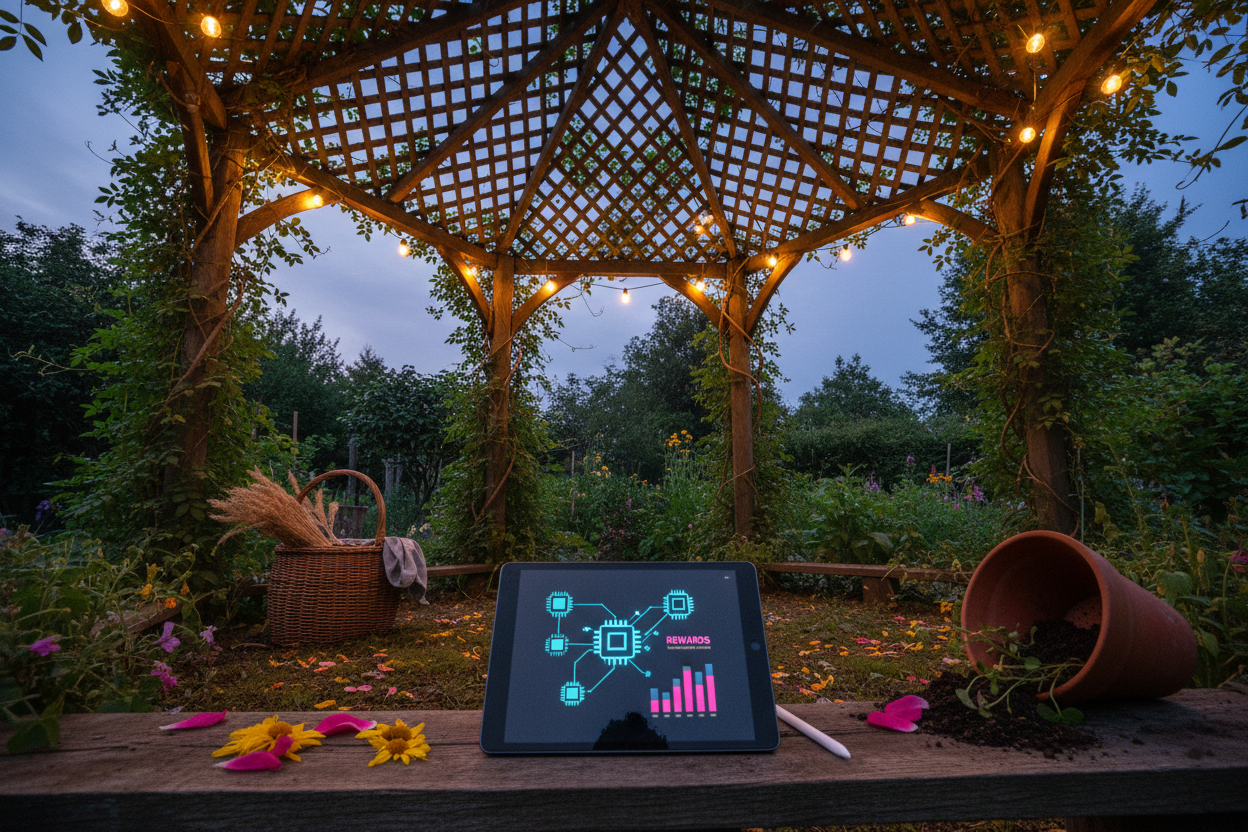
In an era where high-end GPUs sit idle in gaming rigs, data centers, and professional workstations for much of the day, DePIN GPU sharing offers a compelling path to idle GPU earning DePIN rewards. Platforms like Render Network and io. net aggregate these underutilized resources into decentralized marketplaces, enabling owners to monetize hardware passively while powering AI training, 3D rendering, and machine learning workloads. With Render (RNDR) trading at $1.30 as of February 12,2026, up 0.78% over the past 24 hours, the sector demonstrates resilience amid broader market fluctuations.
Traditional cloud providers like AWS and Azure charge premium rates for GPU access, often locking developers into vendor-specific ecosystems. DePIN networks disrupt this by creating peer-to-peer marketplaces where supply meets demand in real time, slashing costs by up to 70% according to io. net's claims. GPU providers earn tokens for uptime and task completion, fostering a trustless environment built on blockchain verification rather than centralized oversight.
Why Bare Metal Matters in DePIN Compute Networks
DePIN compute networks prioritize bare metal GPUs over virtualized instances for raw performance and efficiency. Sources like OpenMetal highlight how distributed nodes contribute specialized hardware directly, bypassing the overhead of hypervisors that dilute power in public clouds. This approach suits demanding tasks: AI developers access thousands of nodes for parallel processing, while renderers benefit from high-fidelity outputs without queue delays.
From a fundamental standpoint, this model aligns incentives perfectly. Providers optimize setups for maximum yield, earning more for reliable, high-spec contributions. Consumers gain scalability without upfront capital outlays. Render and io. net exemplify this, with io. net boasting over 30,000 GPUs deployable instantly for open-source AI models.
Render Network: Building Trust Through Proof-of-Render
Render Network stands out in decentralized GPU marketplace rewards by focusing on 3D rendering, connecting artists with global node operators. Owners register idle GPUs as nodes, processing jobs and earning RNDR tokens at $1.30 per unit currently. Unlike proof-of-work mining, Render's Proof-of-Render verifies output quality by scoring rendered scenes, ensuring only accurate work gets rewarded.
This mechanism builds network trustworthiness over time. Node operators with proven track records command premium job rates, creating a merit-based economy. As RNDR hovers between its 24-hour low of $1.24 and high of $1.31, the token's utility in scoring and payments underscores its long-term value. For GPU owners, participation is straightforward: install the client, maintain uptime, and watch rewards accrue passively.
- Connect idle hardware to a global rendering pool.
- Earn RNDR for verified job completions.
- Reduce artist costs versus centralized alternatives.
Render's emphasis on creative workloads positions it ahead in niches where visual fidelity trumps raw flops, a nuance often overlooked in broader DePIN hype.
io. net: Adaptive Economics for AI-Driven GPU Demand
io. net takes a broader swipe at AI compute bottlenecks, pooling GPUs from data centers, miners, and individuals on Solana for on-demand clusters. Providers earn $IO tokens by supplying power, with rewards tied to uptime, optimization, and cluster performance. Its recent Injective partnership integrates advanced AI tools, enhancing decentralized capabilities as noted in January 2025 developments.
The platform's IDE, a real-time economic engine, dynamically adjusts emissions unlike static models, ensuring supply matches surging AI needs. At up to 70% savings over AWS, io. net appeals to developers scaling ML workloads. For Render io. net GPU providers, blending networks maximizes earnings: render on Render during off-peak AI hours, pivot to io. net clusters otherwise.
Render (RNDR) Price Prediction 2027-2032
Forecasts based on DePIN GPU sharing growth, AI compute demand, and Render Network adoption from $1.30 baseline (2026)
| Year | Minimum Price | Average Price | Maximum Price | YoY % Change (Avg) |
|---|---|---|---|---|
| 2027 | $1.00 | $2.50 | $5.00 | +92% |
| 2028 | $1.80 | $4.00 | $8.00 | +60% |
| 2029 | $2.50 | $6.00 | $12.00 | +50% |
| 2030 | $3.50 | $9.00 | $18.00 | +50% |
| 2031 | $5.00 | $13.00 | $25.00 | +44% |
| 2032 | $7.00 | $18.00 | $35.00 | +38% |
Price Prediction Summary
RNDR is expected to experience substantial growth fueled by DePIN expansion, rising AI and rendering workloads on decentralized GPU networks like Render. Average prices projected to climb from $2.50 in 2027 to $18.00 by 2032, with maximums up to $35 in bullish scenarios amid market cycles and adoption surges.
Key Factors Affecting Render Price
- Accelerated DePIN adoption monetizing idle GPUs for AI/ML and rendering
- Partnerships and integrations boosting Render Network utility (e.g., similar to io.net-Injective collab)
- Competition from io.net, Aethir, and other GPU clouds pressuring market share
- Favorable regulatory developments for decentralized infrastructure
- Crypto market cycles with potential 2028-2029 bull run
- Technological advancements in Proof-of-Render and scalable GPU clustering
Disclaimer: Cryptocurrency price predictions are speculative and based on current market analysis. Actual prices may vary significantly due to market volatility, regulatory changes, and other factors. Always do your own research before making investment decisions.
io. net's Solana foundation enables rapid deployments, a critical edge in fast-evolving AI landscapes. GPU owners fine-tune settings via dashboards, boosting yields on consumer-grade cards like RTX series often left dormant.
"Decentralized GPU networks create a P2P marketplace where AI developers rent power in real-time. " - io. net
Participating demands minimal setup: compatible hardware, stable internet, and wallet integration. Risks like token volatility exist, yet fundamentals favor networks with proven adoption. As DePIN matures, passive income idle GPUs DePIN becomes viable for retail holders, democratizing compute economics.
While token prices fluctuate - RNDR at $1.30 reflects measured growth - the real value lies in network utility and adoption metrics. Render processes thousands of rendering jobs monthly, io. net clusters handle petabytes of AI data, signaling sustainable demand over speculative pumps.
Monetizing Idle Hardware: Practical Strategies for Providers
GPU owners eyeing DePIN GPU sharing should assess hardware compatibility first. Render favors NVIDIA RTX or Quadro series for rendering precision; io. net accommodates broader specs, including consumer gaming cards, optimizing for AI inference and training. Earnings vary by GPU tier: high-end A100s or H100s command premiums, but even mid-range 40-series cards yield steady returns during idle periods.
Providers report 20-50% utilization boosts on previously dormant rigs, translating to $50-300 monthly per GPU depending on market rates and uptime. Blending platforms hedges risks: allocate gaming GPUs to Render for creative bursts, data center units to io. net for persistent AI loads. This diversified approach mirrors portfolio theory, balancing yield with volatility.
Monetize Idle GPUs: 5 Steps to Join Render Network or io.net
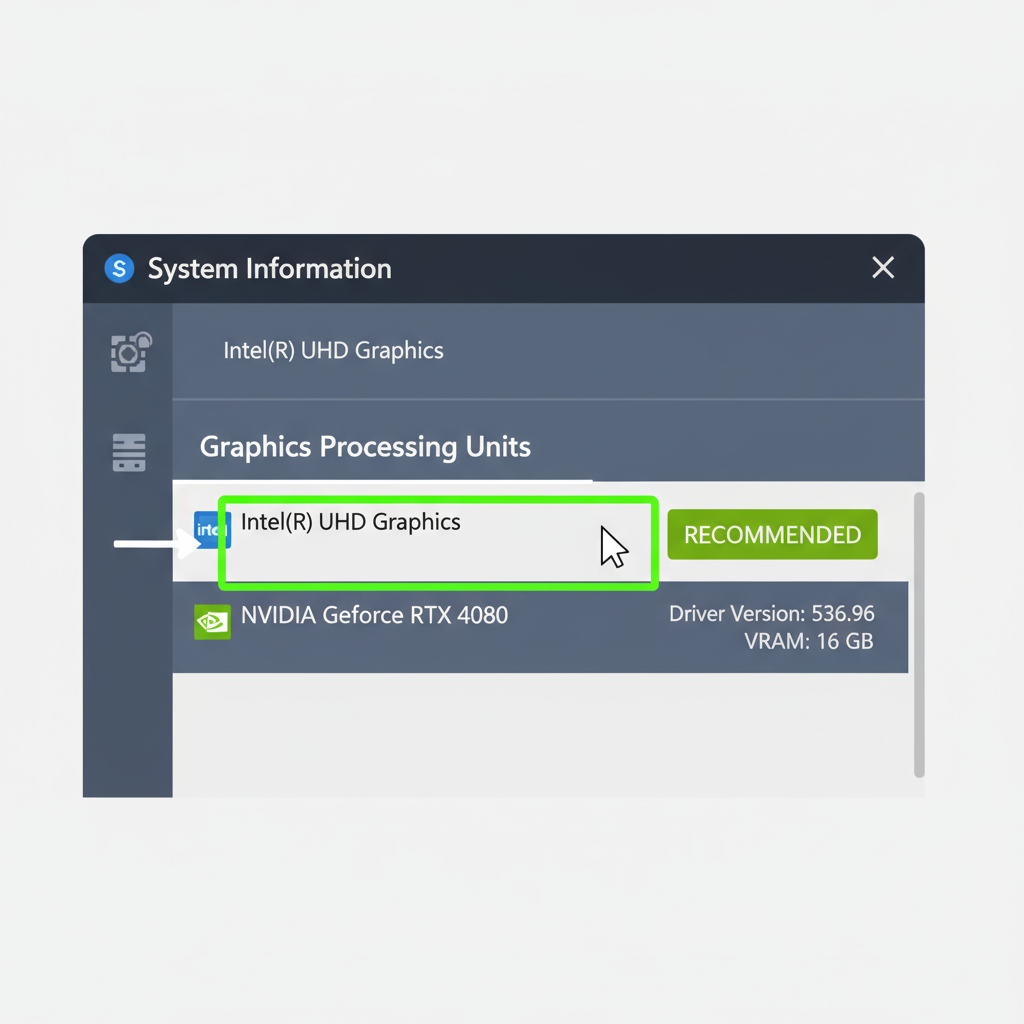
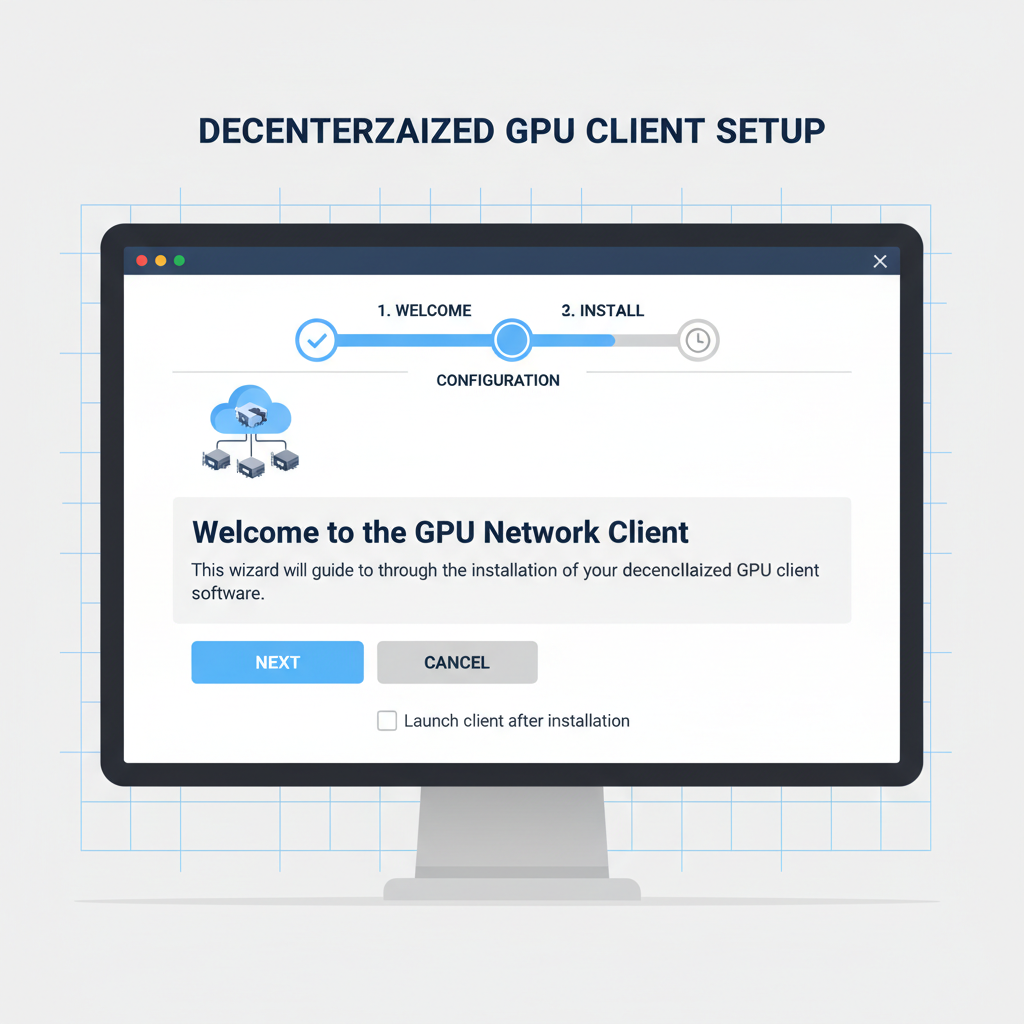
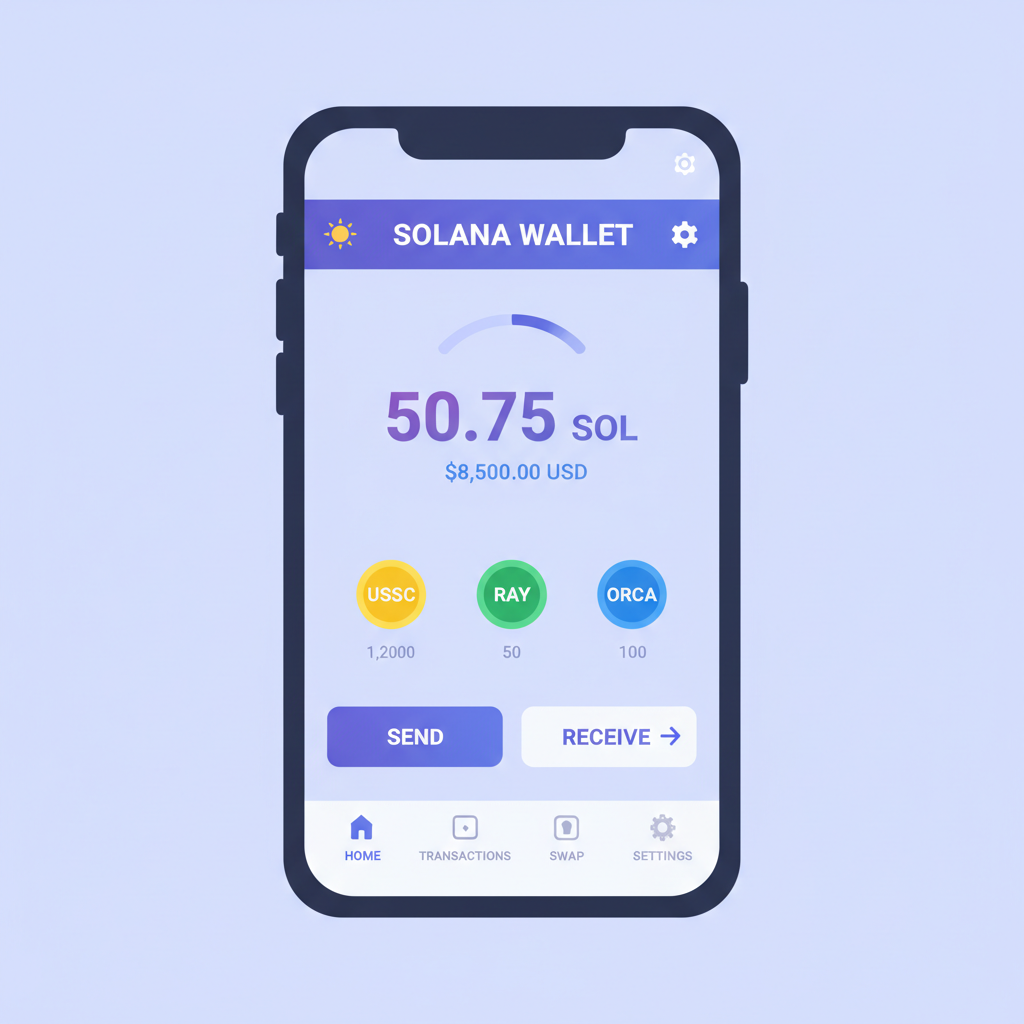
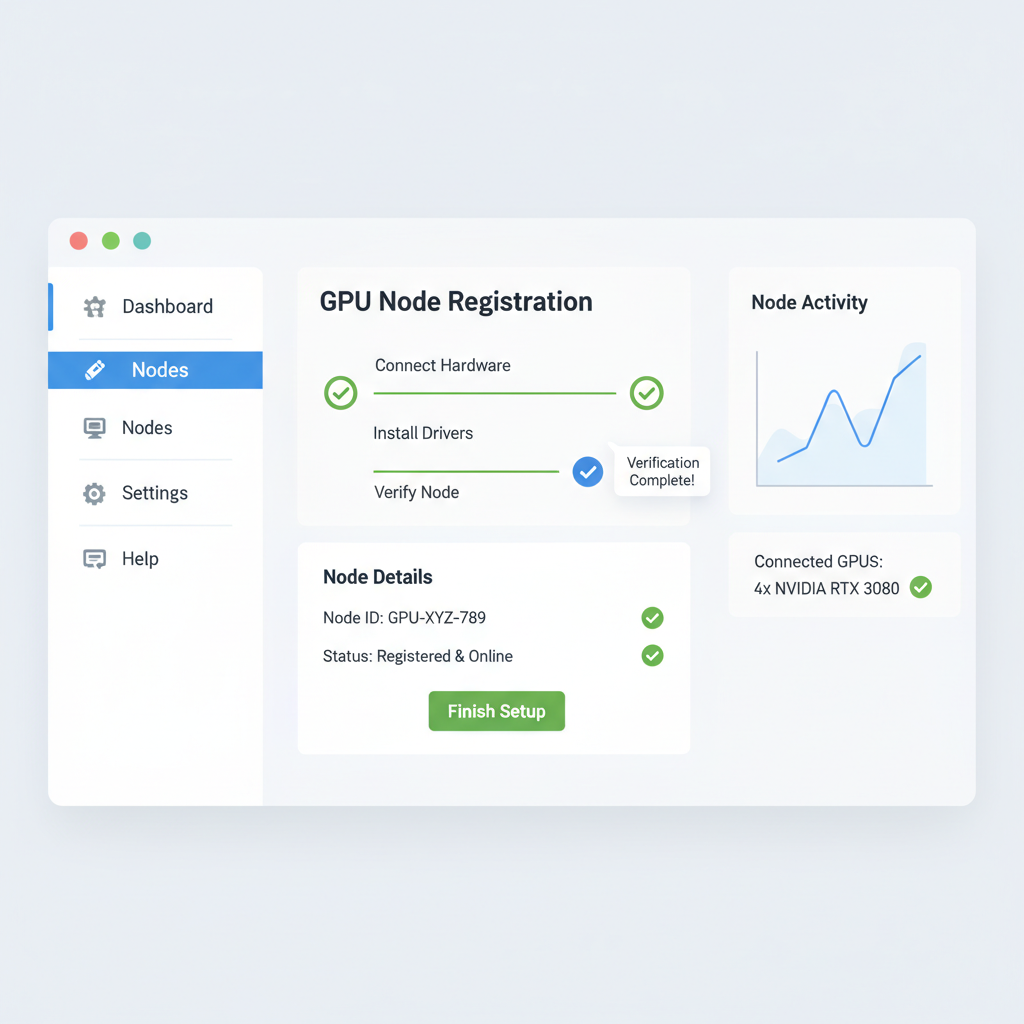
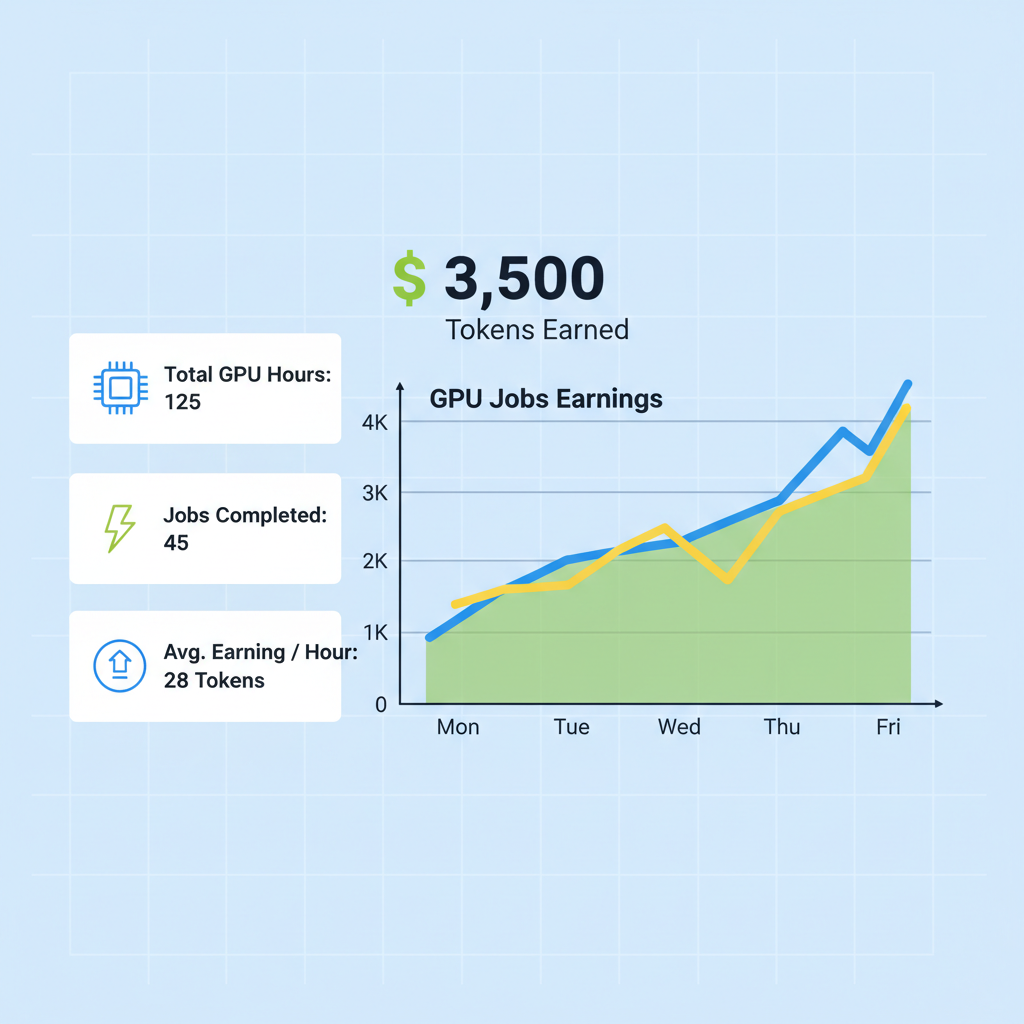
Optimization tips elevate returns. Undervolt GPUs for efficiency, ensure gigabit internet, and use UPS backups to minimize downtime penalties. Platforms score nodes on reliability, so consistent performance unlocks higher-tier jobs and bonus emissions.
Tax implications warrant attention; earnings count as income in most jurisdictions, with DePIN tokens treated as property for capital gains. Track via platform exports integrated with tools like Koinly.
Risks, Rewards, and Long-Term Fundamentals
No investment lacks pitfalls. Network congestion during AI hype spikes can idle nodes; token dilution from emissions pressures prices short-term. Yet, Render's Proof-of-Render and io. net's IDE adapt dynamically, prioritizing quality supply. As a fundamental analyst, I view RNDR at $1.30 - post its 24-hour range of $1.24 to $1.31 - as undervalued against centralized peers trading at multiples higher.
Competition intensifies with entrants like Aethir and Akash, yet pioneers hold moats: Render's creative niche, io. net's Solana speed. Partnerships, such as io. net's January 2025 tie-up with Injective, signal ecosystem expansion, bolstering token demand for fees and staking.
By harnessing idle global resources, DePIN projects deliver enterprise-grade GPU compute at a fraction of traditional costs. - DePIN Space
For retail participants, start small: one GPU tests waters without overexposure. Scale as familiarity grows, prioritizing networks with audited smart contracts and active governance.

Frequently Asked Questions on DePIN GPU Rewards
DePIN GPU marketplaces evolve rapidly, with bare metal's edge over virtual clouds driving adoption. Providers turning idle hardware into revenue streams fuel this shift, while consumers access scalable power sans vendor lock-in. As RNDR holds $1.30 amid modest gains, fundamentals point to compounding value in decentralized compute infrastructure. GPU owners stand at the vanguard, poised to capture yields from AI's insatiable hunger.
Explore further on monetizing idle GPUs as DePIN nodes for tailored strategies in this burgeoning space.



No comments yet. Be the first to share your thoughts!