
Choose the right DePIN compute network
Selecting a DePIN platform depends on your GPU tier and whether you want passive staking or active compute rental. Consumer cards (RTX 30/40 series) suit networks that aggregate idle power, while enterprise GPUs (A100/H100) belong on dedicated high-performance clusters.
DePIN projects operate as infrastructure networks that coordinate real-world resources like GPU compute for AI training and rendering tasks [src-serp-1]. The choice of network dictates your payout currency, hardware requirements, and revenue stability.
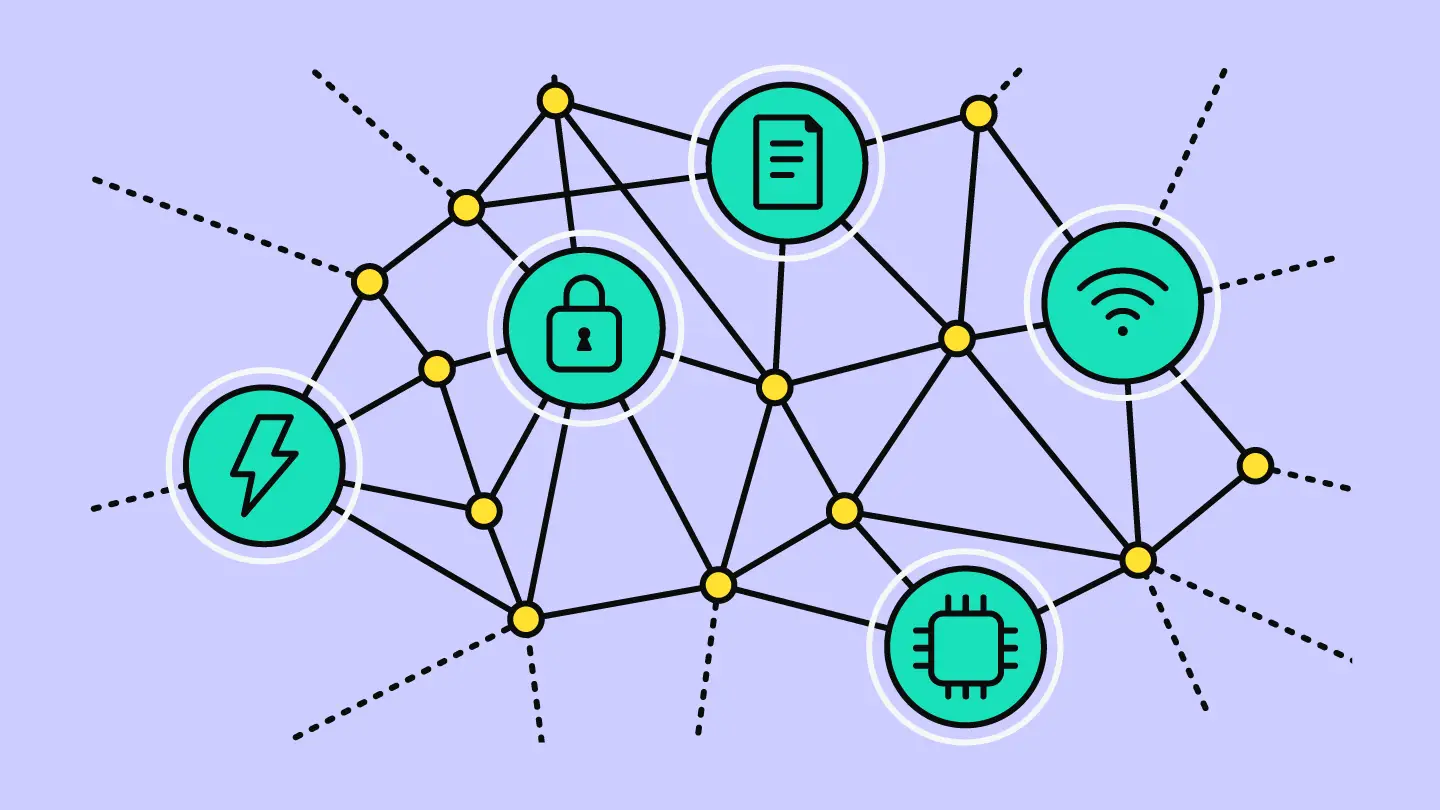
Network comparison
Use this comparison to match your hardware to the correct DePIN ecosystem.
| Network | Best GPU | Payout | Min VRAM |
|---|---|---|---|
| Render (RNDR) | Consumer (RTX 3090/4090) | RNDR Token | 8 GB |
| Akash (AKT) | Enterprise & Consumer | AKT / USDC | 16 GB |
| io.net | Consumer & Enterprise | ION Token | 8 GB |
| Gensyn | Enterprise (A100/H100) | GNS Token | 40 GB |
Render remains the standard for consumer GPUs handling rendering workloads [src-serp-5]. Akash and io.net offer broader compatibility, allowing you to rent out consumer cards for smaller tasks or enterprise rigs for heavy AI training. Gensyn requires significant capital for enterprise-grade hardware but offers higher baseline earnings for large-scale operators.
Prepare your GPU hardware for DePIN
DePIN mining requires a stable, high-performance environment to maximize earnings. Unlike traditional cryptocurrency mining, which often relies on specialized ASIC hardware, DePIN leverages existing GPU infrastructure to provide decentralized compute power for AI and rendering tasks. To participate effectively, you must ensure your hardware is optimized for continuous operation and that your software environment is correctly configured to connect with network nodes.
The following steps outline the essential preparation phase. This process focuses on driver installation, software configuration, and hardware verification to ensure your GPU can handle the sustained workloads typical of DePIN projects.
Begin by installing the latest stable drivers for your GPU. For NVIDIA users, this means downloading the most recent Game Ready or Studio Driver from the official NVIDIA website. Older drivers often lack the necessary CUDA toolkit support or optimization for modern AI workloads, which can lead to connection failures or reduced earnings. Ensure your operating system is also fully updated to prevent driver conflicts.
Download the specific node software for your chosen DePIN project. Most projects provide a dedicated client or a Docker container for Linux-based systems, which is generally preferred for stability. During installation, you will need to input your wallet address to receive earnings. Verify that your firewall allows outbound connections on the ports specified by the project documentation, as blocked ports will prevent your node from syncing with the network.
Before committing to long-term mining, run a stress test to monitor your GPU’s thermal performance. DePIN tasks often require 100% GPU utilization for extended periods. Use tools like HWMonitor or NVIDIA’s built-in telemetry to ensure your temperatures remain below 80°C under load. If temperatures are too high, adjust your fan curves or improve case airflow to prevent thermal throttling, which can cause the node software to crash or disconnect.
Configure your GPU power settings to balance efficiency and performance. In the NVIDIA Control Panel, set the power management mode to "Prefer Maximum Performance" for consistent throughput. Additionally, consider undervolting your GPU if you are running multiple cards or have limited cooling. Undervolting can significantly reduce power consumption and heat output while maintaining hash rates, directly impacting your net profitability.
Start the node software and monitor the initial sync process. This phase can take several hours depending on your internet speed and the size of the blockchain or dataset. Check the logs for any errors related to network connectivity or permission denied messages. Once the sync is complete, verify that your node status shows as "active" or "online" in the project’s dashboard or command-line interface.
Connect your node to the network
Before your hardware can earn, it must authenticate with the DePIN protocol. This process links your physical GPU to a decentralized identity, allowing the network to verify your uptime and compute contribution. Without this handshake, your node remains invisible to the network.
1. Create a dedicated wallet
Generate a new wallet specifically for this mining operation. Do not use your primary storage wallet. A dedicated wallet isolates your mining earnings from your main assets, reducing exposure if the node’s security is compromised. Most DePIN projects support standard wallets like MetaMask or Rabby. Ensure you have backed up your seed phrase offline.
2. Install the node client
Download the official client software for your chosen DePIN project. Verify the checksum against the developer’s website to ensure the binary hasn’t been tampered with. Install the client on your mining rig and configure it to point to your dedicated wallet address. This client acts as the bridge between your GPU drivers and the blockchain.
3. Connect to the network
Launch the client and input your wallet credentials. The software will attempt to ping the network’s entry points. A successful connection is usually indicated by a "synced" or "online" status in the dashboard. If the connection fails, check your firewall settings to ensure ports for the specific protocol (e.g., TCP/UDP for the DePIN’s API) are open.
4. Verify node identity
Once connected, the network assigns a unique node ID to your hardware. Check the dashboard to confirm this ID matches the one displayed in your wallet’s connected dApp. This step proves you are the rightful owner of the node. Some networks require a small test transaction or a "staking" action to lock your identity before you can begin earning rewards.
5. Start the mining process
With the node online and verified, initiate the mining or computing task. Monitor the initial hash rate or compute units submitted to the network. The first few hours are critical for establishing your reputation score with the protocol. Ensure your GPU temperatures remain stable during this warm-up phase.
6. Monitor and troubleshoot
Set up basic monitoring for your node’s status. Most clients provide a local dashboard or a web interface. Watch for dropped connections or failed tasks, which can result in slashed rewards. If your node goes offline frequently, check your internet stability and GPU drivers. Consistent uptime is often required to maximize earnings.
Monitor earnings and adjust settings
Profitability in decentralized compute is rarely static. Your node is a business unit, and like any small business, it requires regular audits to ensure revenue covers operational costs. You need to track two main metrics: your node’s health (uptime and task completion) and your financial output (earnings versus electricity).
Start by verifying your node is actually working. Most DePIN dashboards show a real-time status indicator. If your node drops offline or fails to complete tasks, your earnings will halt immediately. Fix connectivity issues or driver errors before worrying about tweaking settings.
Next, track your daily earnings. While some networks offer fixed rates, many fluctuate based on demand. For example, high-end GPUs like the RTX 4090 can generate between $3.00 and $7.00 per day depending on the network load and token price, but this is an average, not a guarantee. Compare this daily income against your electricity cost. If your power bill exceeds your earnings, you need to adjust.
Adjust settings for efficiency
If your margins are thin, reduce your node’s power consumption. Lowering your GPU’s power limit or undervolting can significantly cut electricity costs without sacrificing much performance. This is often the most effective way to maintain profitability during low-demand periods.
You can also choose to pause your node during peak electricity hours if your network allows manual control. Some DePIN clients let you set schedules, ensuring you only mine when rates are favorable or power is cheap.
Maintain a regular check-in routine
Consistency matters more than daily micromanagement. A simple weekly review is usually sufficient for most nodes. Check your dashboard for any alerts, verify your wallet address is receiving payments, and ensure your software is up to date. Stale software can lead to missed tasks or security vulnerabilities.
-
Verify node status is 'Online' and tasks are completing
-
Compare daily earnings to current electricity rate
-
Check for software updates or network announcements
-
Review wallet balance and confirm payouts are arriving
If your earnings drop significantly without an obvious cause, check the network’s official status page or community channels. Sometimes a global issue affects many nodes, while other times it may be a local configuration problem. Addressing these issues quickly helps you stay in the black.
Common DePIN mining pitfalls to avoid
Even with the right hardware, small configuration errors can erase your profit margin or get your node banned. DePIN networks demand reliability; a single dropped connection can result in missed rewards that take days to recover.
Ignoring Network Stability
DePIN protocols for AI compute, such as those outlined by CoinCub, prioritize uptime above all else. If your internet connection fluctuates, the network cannot verify your contribution. Use a wired Ethernet connection instead of Wi-Fi to maintain a steady link. Check your router logs for packet loss before committing to a long-term lease.
Overlooking Thermal Throttling
GPUs reduce their clock speeds when they overheat, which directly lowers your hash rate. In a mining rig, heat builds up quickly. Ensure your case has strong airflow and that fans are clean. Monitor temperatures using tools like HWMonitor; if cards exceed 85°C, increase fan speed or add case exhaust fans.
Skipping Verification Tests
Many beginners launch their nodes without testing the full workflow. This leads to silent failures where the software runs but no data is transmitted. Run a short benchmark test for at least 24 hours before expecting earnings. This allows you to catch driver conflicts or firewall blocks early, saving you from weeks of unrewarded downtime.
No comments yet. Be the first to share your thoughts!