
Why GPUs dominate DePIN in 2026
Decentralized physical infrastructure networks (DePIN) have fundamentally shifted away from pure cryptocurrency mining. The market now prioritizes real-world utility, specifically high-performance computing for artificial intelligence training and 3D rendering. This transition has elevated consumer graphics cards from niche hobbyist tools to the primary earning assets in the crypto economy.
In the past, DePIN projects relied on block rewards to incentivize participation. Today, the value comes from service fees paid by AI companies and creative studios that need scalable compute power. As noted by Gomining, projects providing tangible services like GPU capacity or cloud resources are far more likely to sustain long-term demand than those relying solely on token inflation.
This shift has made high-end hardware like the NVIDIA RTX 4090 a cornerstone of DePIN earnings. According to TitanNet, owners of such GPUs can generate between $3.00 and $7.00 per day by renting out their idle resources to decentralized compute networks. This steady income stream, derived from actual work rather than speculative mining, is why GPUs remain the dominant force in the sector.
Top GPUs for render networks
Rendering tasks on DePIN platforms like Render Network prioritize VRAM capacity and CUDA core efficiency above all else. High-end consumer cards and prosumer workstations offer the best balance of performance and cost for these decentralized workloads. The RTX 4090 stands as the current benchmark for consumer-grade rendering, offering 24GB of VRAM that handles complex 3D scenes and AI inference without bottlenecking.
For users seeking multi-GPU scalability, the RTX 4080 Super provides a compelling alternative with 16GB of VRAM, suitable for smaller render jobs or as a secondary node in a multi-GPU setup. Professional cards like the NVIDIA RTX 6000 Ada Generation deliver 48GB of VRAM, catering to enterprise-level workloads that exceed consumer memory limits, though their higher price point makes them less efficient for average DePIN participants.
When selecting hardware, focus on cards with robust NVLink support if your rendering software utilizes multi-GPU parallelism. Ensure your power supply can handle the peak draw of high-end GPUs, as rendering tasks often sustain 100% load for extended periods. The following products represent the most effective hardware choices for maximizing your rendering output on DePIN networks.


As an Amazon Associate, we may earn from qualifying purchases.
Best cards for AI compute tasks
DePIN platforms prioritize hardware that excels at AI inference and training workloads. The bottleneck for these tasks is rarely raw floating-point performance; it is memory bandwidth and VRAM capacity. When a model exceeds the available video memory, the system swaps data to system RAM, causing latency to spike and rendering the node useless for real-time AI services.
For this reason, the RTX 4090 remains the dominant choice for consumer-grade DePIN nodes. Its 24GB of VRAM and high memory bandwidth allow it to handle larger models than most competitors. While consumer cards lack the error-correcting code (ECC) memory of data center GPUs, their tensor core performance per dollar is unmatched for decentralized compute networks.
The table below compares the top hardware contenders for AI compute tasks, focusing on the metrics that DePIN platforms actually reward.
| GPU | VRAM | Memory Bandwidth | Tensor Cores |
|---|---|---|---|
| NVIDIA RTX 4090 | 24 GB | 1,008 GB/s | 181st Gen Ada |
| NVIDIA RTX 4080 Super | 16 GB | 736 GB/s | 176st Gen Ada |
| AMD Radeon RX 7900 XTX | 24 GB | 960 GB/s | 3rd Gen CDNA |
| NVIDIA RTX 3090 | 24 GB | 936 GB/s | 86nd Gen Ampere |
As the AI compute market matures, the gap between consumer and professional hardware is narrowing in terms of software compatibility. Platforms like Aethir and Vast.ai have optimized their stacks to support consumer GPUs, making the RTX 4090 a viable entry point for serious DePIN miners. However, the 16GB limit on the RTX 4080 Super restricts it to smaller models, potentially limiting its earning potential as AI workloads grow larger.
Building a profitable DePIN rig
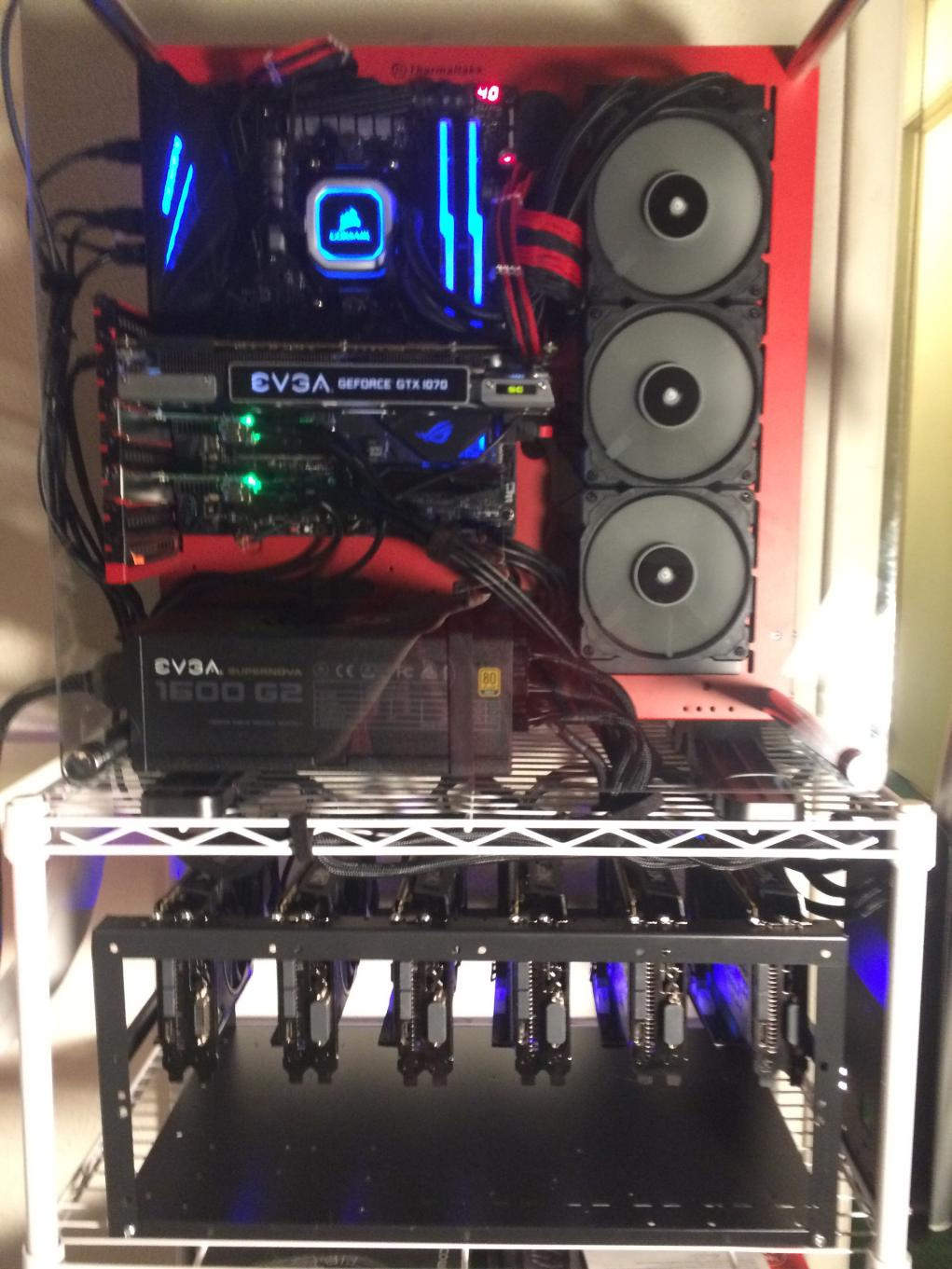
A profitable DePIN GPU rig is less about raw hash power and more about efficiency per watt. Unlike traditional crypto mining, where you chase the highest possible score, DePIN rewards nodes that stay online consistently with minimal overhead. The goal is to build a system that runs quietly, stays cool, and draws as little electricity as possible while maintaining stable connections to rendering or AI networks.
Start with the right GPUs
Not all GPUs are created equal for DePIN workloads. You need cards that balance performance with power efficiency. The RTX 3090 and 4090 remain popular choices for their VRAM capacity and compute power, but they draw significant power. For a more balanced approach, consider the RTX 4070 Ti Super or even used RTX 3080s, which offer a better price-to-performance ratio for many DePIN tasks. Avoid older generation cards unless you find them at a steep discount, as their power efficiency often negates any savings on the hardware cost.
Prioritize airflow and cooling
Heat is the enemy of longevity and profitability. A well-ventilated case with positive air pressure is essential. Use high-static pressure fans to push air through the dense GPU array. Avoid liquid cooling unless you are building a compact, custom loop, as it adds complexity and potential points of failure. A simple, well-designed air-cooled setup with a good case like the Fractal Design Define 7 or a specialized mining chassis will keep temperatures stable and reduce noise.
Optimize power delivery
Your power supply unit (PSU) should have at least 20% headroom above your system's peak draw. Look for 80 Plus Gold or Platinum certified units for better efficiency. Use individual PCIe power cables for each GPU rather than daisy-chaining adapters, which can cause voltage drops and instability. Monitor your power consumption closely; even a 5-10% reduction in idle power can significantly impact long-term profitability.
Choose a reliable motherboard and CPU
You don't need a high-end CPU for DePIN mining. A modest AMD Ryzen 5 or Intel Core i3 is sufficient to manage the GPUs and network connections. The motherboard should have enough PCIe slots for your GPU count and support stable multi-GPU configurations. Ensure it has a robust BIOS that allows for easy power management settings.
Assemble and monitor
Build your rig with cable management in mind to ensure unobstructed airflow. Once assembled, run stress tests to verify stability. Use monitoring software like HWiNFO64 or GPU-Z to track temperatures, clock speeds, and power draw. Set up alerts for any anomalies, as a single overheating GPU can drag down the entire node's performance.


As an Amazon Associate, we may earn from qualifying purchases.
FAQs on DePIN hardware earnings
How much can I earn with an RTX 4090? Earnings for DePIN GPU mining vary by network and demand. If you own a high-end NVIDIA GPU like an RTX 4090, you can earn between $3.00 and $7.00 per day, depending on the specific DePIN project and current market conditions.
Which networks are best for consumer GPUs? Most DePIN projects favor professional-grade hardware, but some consumer cards still fit. Look for networks that explicitly support NVIDIA RTX series cards, as these are the most common "best DePIN projects 2026" picks for home miners.
Do I need to worry about maintenance? Yes. DePIN hardware runs 24/7. You need to monitor temperatures, clean dust filters, and ensure stable power. Unlike traditional crypto mining, DePIN often requires you to manage the physical device yourself.
Is the electricity cost worth it? Profitability depends on your local power rates. Since earnings are relatively low (a few dollars daily), high electricity costs can quickly erase profits. Calculate your net gain by subtracting your kWh rate from the daily earnings estimate.
No comments yet. Be the first to share your thoughts!