
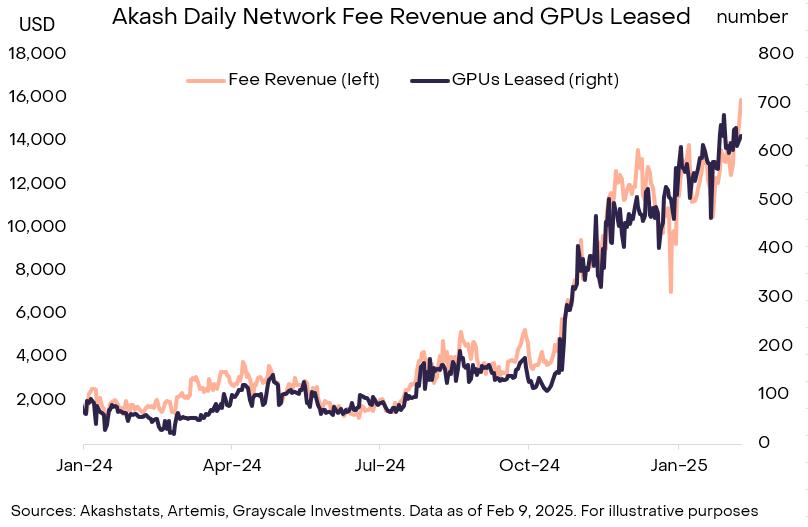
What is GPU DePIN in 2026
GPU DePIN, or Decentralized Physical Infrastructure Network, represents a shift in how computing power is sourced. Instead of relying on massive, centralized data centers owned by a few tech giants, DePIN protocols aggregate idle or dedicated GPUs from individual owners and small businesses into a single, global cloud.
This distributed model functions like a shared pool of resources. When a startup needs to train an AI model or render a complex 3D scene, the DePIN network routes the task to available GPUs across the network. This contrasts sharply with traditional cloud providers, which charge premium rates for reserved instances and often face capacity constraints during peak demand.
The primary value proposition is cost and accessibility. By utilizing underused hardware, these networks can offer compute power at a fraction of the cost of major cloud providers. For developers and AI researchers, this means the ability to scale experiments without the upfront capital expenditure or long-term contracts typically required.
However, the ecosystem is still maturing. While the promise of cheaper AI compute is real, enterprise adoption faces hurdles related to reliability and service level agreements (SLAs). The decentralized nature means that unlike a monolithic cloud provider, there is no single point of control, requiring new tools for monitoring and fault tolerance.
To understand the hardware driving this shift, it helps to look at the components that power these networks. The following GPUs are commonly found in DePIN node configurations, offering a balance of performance and efficiency for both training and inference tasks.


As an Amazon Associate, we may earn from qualifying purchases.
Render Network for Visual Workloads
Render Network is the world's first decentralized GPU rendering platform, designed to turn idle GPUs into a global pool of high-performance compute power. It focuses specifically on visual workloads, serving the rendering needs of film, animation, and VFX studios that require massive, scalable processing capacity.
The network operates as a bridge between creative professionals and distributed hardware. Instead of relying on a single cloud provider, Render allows studios to offload rendering tasks to a global network of node operators. This model helps reduce costs and eliminates bottlenecks during peak production times, making it a mature solution for complex visual projects.
Node operators on Render typically use high-end consumer and professional GPUs, such as the NVIDIA GeForce RTX 4090, to handle demanding rendering tasks. These machines must meet specific hardware requirements to ensure they can process heavy graphical data efficiently.
For those looking to participate as node operators or understand the hardware driving the network, here are some of the most common GPUs used in the ecosystem.


As an Amazon Associate, we may earn from qualifying purchases.
Aethir for Enterprise AI Training
Aethir positions itself as the bridge between decentralized compute and enterprise-grade reliability. While many DePIN networks operate on a best-effort basis, Aethir’s hybrid cloud model is engineered specifically for the rigorous demands of AI training and inference. By aggregating enterprise-grade GPUs from verified data centers and edge nodes, it offers a unified platform that mimics the stability of traditional cloud providers while leveraging the cost benefits of a distributed network.
Hybrid Cloud Architecture
The core of Aethir’s value proposition is its ability to handle complex, long-running AI workloads without interruption. Traditional decentralized GPU networks often struggle with node instability, which can cause expensive training jobs to fail mid-process. Aethir mitigates this by using a proprietary orchestration layer that ensures high availability and fault tolerance. If a node fails, the system automatically reallocates resources, ensuring that SLAs are met and data integrity is preserved. This makes it a viable option for enterprises that cannot afford the downtime associated with less mature DePIN infrastructures.
Reliability and SLA Adherence
For enterprise clients, Service Level Agreements (SLAs) are non-negotiable. Aethir provides guaranteed uptime and performance metrics, addressing one of the primary barriers to DePIN adoption in the corporate sector. By offering formal SLAs, Aethir distinguishes itself from peer-to-peer GPU marketplaces that rely on informal trust models. This reliability extends to network latency and bandwidth, which are critical for distributed training across multiple nodes. The network’s design prioritizes consistent throughput, allowing teams to scale their AI models with confidence that the underlying infrastructure will perform as expected.
Relevant Hardware for Deployment
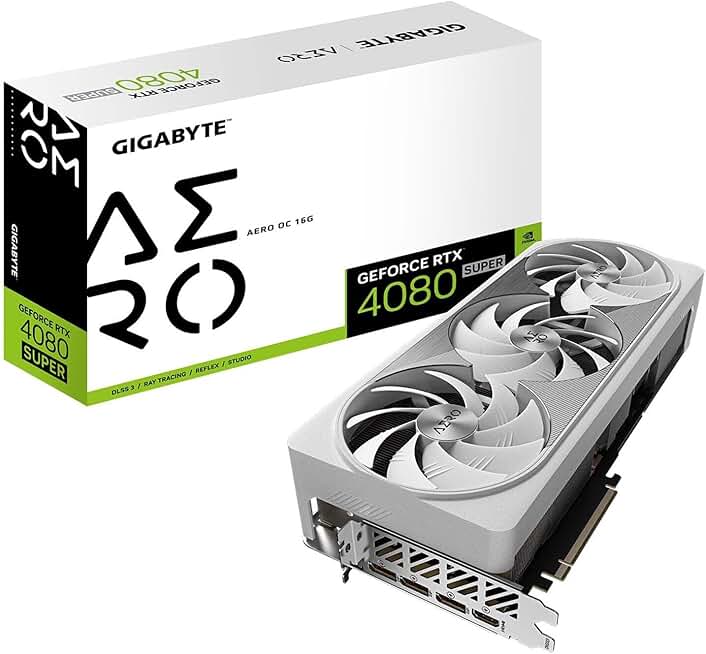
While Aethir provides the network layer, the underlying hardware drives performance. Enterprises often pair these decentralized networks with high-end consumer or prosumer GPUs for specific inference tasks or smaller training runs. The following hardware options are commonly used in hybrid AI setups and are available for purchase.


As an Amazon Associate, we may earn from qualifying purchases.
io.net for Developer Accessibility
io.net positions itself as the decentralized compute infrastructure layer on Solana, designed specifically to aggregate underutilized GPUs into a unified cloud. Unlike traditional cloud providers that require complex enterprise contracts, io.net offers a streamlined API-first approach. This structure lowers the barrier to entry for developers, allowing them to access high-performance computing resources without the overhead of managing physical hardware or negotiating with large vendors.
The network’s integration with Solana provides a fast and cost-effective transaction layer, which is particularly beneficial for smaller projects and startups. These groups often operate with tight budgets and need scalable compute power on demand. By leveraging Solana’s infrastructure, io.net reduces latency and transaction costs, making it easier for developers to spin up instances and run workloads without worrying about network congestion or excessive fees.
For developers, the primary advantage is simplicity. The platform abstracts the complexity of decentralized networking, presenting a familiar interface that mirrors standard cloud computing environments. This means that teams already experienced with cloud-based development workflows can transition to io.net with minimal friction. The focus is on providing reliable, accessible compute power that scales with the project's needs, rather than forcing developers to learn new, niche technologies.
While the software layer handles the aggregation of resources, the physical hardware powering these networks often relies on standard consumer or data center components. Developers looking to understand the underlying hardware ecosystem or build their own local nodes might find value in examining the specific GPU models and cooling solutions used in high-performance computing setups.


As an Amazon Associate, we may earn from qualifying purchases.
This approach makes io.net a strong candidate for developers who prioritize ease of access and cost-efficiency. By removing the technical and financial barriers associated with traditional GPU cloud services, io.net enables a broader range of projects to utilize decentralized compute power. The platform’s design reflects a clear intent to serve the practical needs of the developer community, ensuring that the technology remains accessible and useful for a variety of applications.
How to Choose a GPU DePIN Provider
Selecting the right decentralized physical infrastructure (DePIN) network depends less on abstract potential and more on your specific hardware and workload. The market has segmented into distinct use cases: real-time rendering, AI model training, and general compute leasing. Matching your GPU capabilities to the network’s primary demand is the first step in maximizing earnings.
Render Network remains the standard for creative professionals and studios. It specializes in 3D rendering and animation, making it ideal for users with high-end GPUs that support CUDA cores and large VRAM. If your hardware is geared toward creative suites like Blender or Maya, Render offers a mature ecosystem with consistent demand.
Aethir and io.net cater primarily to the artificial intelligence sector. Aethir focuses on providing real-time, cloud-like access to distributed GPU power for AI training and inference. io.net aggregates idle GPU power to create a massive, unified compute cluster for machine learning tasks. These networks are better suited for users with enterprise-grade or high-performance consumer cards capable of handling heavy computational loads.
| Feature | Render Network | Aethir | io.net |
|---|---|---|---|
| Primary Use Case | 3D Rendering & Animation | AI Training & Inference | Distributed AI Compute |
| Blockchain Base | Ethereum (Layer 2) | Azure + Ethereum | Ethereum (Layer 2) |
| Target User | Artists & Studios | AI Developers & Researchers | ML Engineers & Data Scientists |
| Hardware Focus | High VRAM, CUDA | High Compute, Low Latency | Aggregated Consumer/Pro GPUs |
To participate effectively, you need hardware that meets the specific requirements of your chosen network. While many networks accept various NVIDIA cards, high-end models typically yield better returns. Consider equipping your node with reliable components that can handle sustained workloads.


As an Amazon Associate, we may earn from qualifying purchases.
Before committing your hardware, verify the current hardware requirements and software compatibility for each platform. Networks evolve quickly, and what is optimal today may change as new AI models or rendering engines emerge. Start with one network that aligns with your existing hardware and expand as you understand the operational nuances of decentralized compute.
Frequently asked: what to check next
Essential Hardware for GPU DePIN
To participate effectively, you need reliable hardware that can handle sustained workloads. The following components are commonly used in DePIN setups:


As an Amazon Associate, we may earn from qualifying purchases.
No comments yet. Be the first to share your thoughts!