
Why GPU DePIN matters in 2026
The gap between AI compute demand and centralized supply has widened into a structural market inefficiency. Training large language models and running inference tasks requires vast clusters of high-end graphics processing units (GPUs). Major cloud providers are facing long waitlists and escalating costs, leaving a significant portion of enterprise demand unmet. This scarcity has created a viable, albeit volatile, revenue stream for individual GPU owners through Decentralized Physical Infrastructure Networks, or DePIN.
DePIN networks operate on a simple premise: aggregate idle consumer hardware into a distributed supercomputer. Instead of renting a single RTX 4090 or RTX 5090 from a hyperscaler, a decentralized network connects thousands of these devices to offer compute power to researchers and developers. This model promises lower costs for buyers and passive income for hardware owners, effectively turning personal workstations into enterprise-grade AI nodes.
However, this opportunity comes with substantial risk. The hardware required to participate—typically high-end NVIDIA cards—represents a significant capital outlay. Returns are not guaranteed and fluctuate with token prices, network difficulty, and electricity costs. While the potential for income exists, it is essential to view this as a speculative investment in physical infrastructure rather than a stable yield strategy.
The market is currently fragmented, with several major networks competing for the same pool of GPUs. Success depends on choosing networks with strong enterprise demand and reliable payout mechanisms. As the AI boom continues to strain centralized data centers, decentralized networks are emerging as a critical, albeit experimental, layer of the global compute infrastructure.
5 Best GPU DePIN Networks for Passive Income in 2026
Deploying high-end hardware like the RTX 4090 into GPU DePIN networks carries significant financial risk, requiring careful consideration of market volatility and hardware depreciation. This analysis evaluates five leading networks using official project data to help you assess the potential for passive income without guaranteeing specific returns.
1. Render Network GPU Streaming Leader
Render Network remains the heavyweight champion for GPU-powered rendering, leveraging the power of RTX 4090s to handle complex 3D scenes and AI workloads. While hardware depreciation is steep, its established client base offers relative stability in a volatile DePIN market. Investors must weigh the high upfront cost of enterprise-grade cards against the network's proven track record for consistent, albeit modest, daily yields.

2. io.net Solana Compute Aggregator
io.net aggregates idle GPU power across Solana, creating a liquid marketplace for AI training and inference tasks. By pooling resources from diverse hardware, including older GTX models, it lowers the barrier to entry but introduces complexity in reward distribution. Users should monitor network congestion and token volatility, as earnings fluctuate significantly with Solana's market performance and compute demand spikes.

3. Akash Network Decentralized Cloud
Akash operates as a decentralized cloud marketplace, allowing users to lease GPU capacity for hosting applications and running AI models. Its open-source architecture ensures transparency, but competition with centralized giants like AWS keeps margins thin. Success requires careful selection of compatible workloads; mismatched software configurations can lead to idle time and zero earnings, making technical proficiency a critical asset.

4. Nosana Emerging GPU Option
Nosana, built on Solana, focuses specifically on AI inference, offering a streamlined alternative to broader compute networks. Its younger ecosystem means higher growth potential but also greater risk from project longevity and token sustainability. Hardware requirements are less stringent, allowing mid-range GPUs to participate, though earnings are highly sensitive to the network's adoption rate and competitive landscape.

5. Grass Emerging GPU Option
Grass takes a unique approach by monetizing unused internet bandwidth alongside GPU resources for AI data training. This dual-income stream can offset hardware costs, but it requires consistent uptime and reliable connectivity. The tokenomics are still evolving, and users must stay vigilant about privacy implications and potential changes in data collection policies that could impact long-term profitability.
How to Choose Your GPU DePIN Strategy
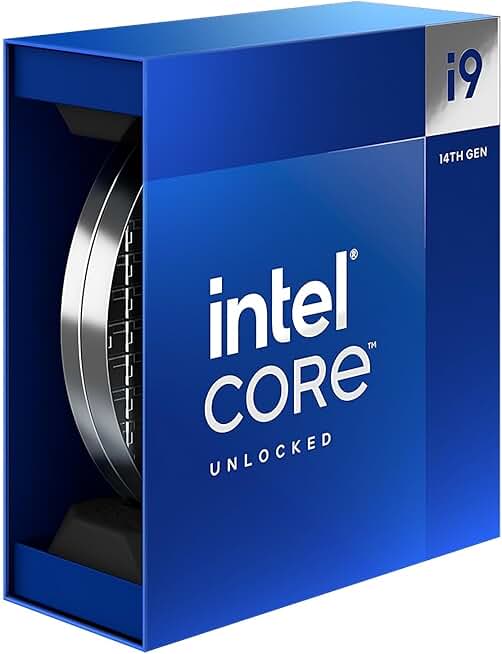
Selecting a GPU DePIN strategy requires matching your hardware tier to the network’s reliability demands. Consumer-grade cards like the RTX 4090 offer high raw compute but lack the redundancy enterprise networks require. If you are running a single rig, prioritize networks with flexible uptime requirements rather than strict SLAs.
1. Assess Your Hardware Tier
Enterprise GPUs such as the NVIDIA H100 or A100 are built for continuous 24/7 operation and high memory bandwidth. They command higher daily rewards but require industrial cooling and significant capital. Consumer cards are more accessible but may struggle with the thermal throttling of sustained AI training workloads.
2. Match Network Requirements
DePIN projects vary in their tolerance for downtime. Research networks like io.net or Render to see if they accept consumer GPUs for inference tasks. Enterprise-focused networks often exclude consumer hardware entirely to maintain service-level agreements with AI clients.
3. Calculate Realistic Profitability
Passive income in DePIN is volatile. Factor in electricity costs and hardware depreciation before joining. A network promising high APY may not offset the wear and tear on your GPU. Use conservative estimates to ensure your investment remains viable during market downturns.


As an Amazon Associate, we may earn from qualifying purchases.
| GPU Type | Uptime Capability | Entry Cost |
|---|---|---|
| Consumer (e.g., RTX 4090) | Moderate | $1,600–$2,000 |
| Enterprise (e.g., H100) | High | $25,000+ |
Frequently Asked Questions About GPU DePIN
What are DePIN projects? DePIN (Decentralized Physical Infrastructure Networks) are blockchain-based systems that use token rewards to incentivize individuals to contribute real-world physical resources to a shared network. In the context of GPU computing, these projects create decentralized marketplaces where users can rent out their hardware's processing power for tasks like 3D rendering, AI training, and machine learning inference. This model allows anyone with compatible hardware to participate in the digital infrastructure economy without relying on centralized cloud providers.
What are the best DePIN projects for GPU mining? The most prominent GPU-focused DePIN networks include Render Network, io.net, and Nosana. Render Network focuses on decentralized GPU rendering for creative industries, while io.net aggregates idle GPU power for high-performance computing tasks. Nosana is optimized for AI inference workloads. Other notable mentions in the broader DePIN space include Helium for wireless connectivity and Hivemapper for mapping data, though these do not rely on GPU hardware. Selection should depend on your specific hardware capabilities and the current demand for compute tasks on each network.
How much can I earn with a high-end GPU? Earnings vary significantly based on market volatility, network demand, and hardware efficiency. For owners of high-end NVIDIA GPUs like the RTX 4090, daily earnings typically range between $3.00 and $7.00. However, this is not a guaranteed fixed income; it fluctuates with token prices and the availability of tasks. Revenue must be weighed against electricity costs and hardware depreciation. Investors should approach these returns with caution, as crypto markets are inherently unstable and past performance does not predict future earnings.
No comments yet. Be the first to share your thoughts!