
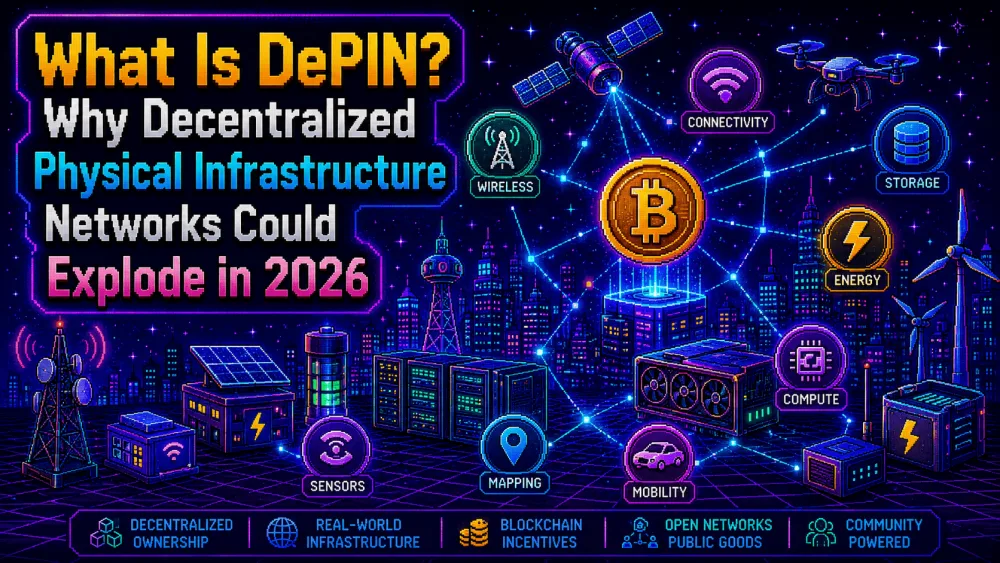
Why GPU DePIN Matters in 2026
The centralized cloud model is hitting a hard ceiling. As AI workloads explode, the demand for GPU compute power has outpaced the ability of major providers like AWS, Azure, and Google Cloud to supply it at reasonable prices. This bottleneck has created a vacuum that Decentralized Physical Infrastructure Networks (DePIN) are rapidly filling. In 2026, DePIN is no longer a niche experiment; it is a critical alternative to the big tech monopolies that control the majority of high-end silicon.
The financial scale of this shift is already visible. According to market data from KuCoin, the combined market capitalization of DePIN projects surged to $9–10 billion in early 2026, surpassing the oracle sector and generating $150 million in monthly on-chain revenue. This capital influx signals strong investor confidence in decentralized compute as a viable, scalable solution for AI training and inference.
For hardware investors, this shift introduces significant risk. The "GPU Super Cycle" is driving up the cost of NVIDIA’s flagship chips, making upfront capital expenditure a major consideration. Unlike traditional cloud subscriptions, where costs are predictable but high, DePIN offers a peer-to-peer marketplace where idle GPU capacity can be monetized. However, this requires careful due diligence. The technology is complex, and not all networks offer the same reliability or payout structures. Understanding the underlying infrastructure is essential before committing capital to this emerging sector.
5 GPU DePIN Networks Leading the 2026 Compute Boom
The 2026 compute boom demands rigorous due diligence, as hardware investments in GPU DePIN networks carry significant financial risk. This selection prioritizes official technical documentation and primary project blogs to identify five networks leveraging specific GPU models like the NVIDIA H100 for verifiable performance.
1. Render Network GPU Node Requirements
Render Network demands robust hardware to handle high-demand rendering tasks. Nodes typically require NVIDIA RTX 3090 or 4090 GPUs with at least 24GB VRAM. Stable internet connectivity and sufficient cooling are non-negotiable for maintaining uptime. Verify your system meets these strict specifications before committing to node operation to ensure consistent performance and reward eligibility.

2. Akash Network Decentralized Compute Specs
Akash Network operates as a decentralized marketplace for compute resources, prioritizing flexibility and cost-efficiency. Users can deploy Docker containers on a variety of GPU configurations, often leveraging surplus hardware from providers. This model reduces costs significantly compared to traditional cloud providers. Ensure your deployment scripts are compatible with Akash’s Kubernetes-based infrastructure for seamless integration and efficient resource utilization.

3. Io.net GPU Rental Infrastructure Details
Io.net focuses on aggregating underutilized GPU power into a cohesive rental infrastructure. It supports a wide range of NVIDIA and AMD GPUs, allowing users to rent compute power for AI training and inference. The platform emphasizes ease of use and scalability. Before renting, review the specific GPU models available and their current performance metrics to ensure they align with your computational workload requirements.

4. Gensyn Distributed Proof Verification Hardware
Gensyn introduces a novel approach to distributed proof verification, requiring specialized hardware for its unique consensus mechanism. While less dependent on raw GPU power for rendering, it still benefits from high-end GPUs for efficient proof generation. Participants must ensure their systems can handle the computational load of verifying distributed proofs. Consult Gensyn’s official documentation for the latest hardware recommendations to optimize your contribution to the network.
5. io.net High-Performance GPU Staking Guide
io.net offers a staking mechanism that allows users to lock up GPU resources for rewards. This guide focuses on selecting high-performance GPUs suitable for staking, such as the NVIDIA RTX 3080 Ti or 4090. Staking requires a reliable connection and consistent uptime. Understand the staking period and reward structure before committing your hardware, as market conditions can significantly impact returns.

Hardware requirements for node operators
Running a node in a GPU DePIN network is not a casual side hustle; it is a capital-intensive infrastructure play. The hardware you choose dictates your uptime, your earnings, and your exposure to market volatility. A mismatch between your equipment and the network's computational demands can lead to immediate disqualification or negligible returns. Due diligence on compatibility is the first line of defense against financial loss.
The NVIDIA RTX 4090 has emerged as the dominant consumer-grade asset for many DePIN projects, including Titan Network. According to industry data, owners of this specific card can generate between $3.00 and $7.00 daily, depending on network demand and token prices. However, this profitability comes with significant thermal and power constraints. You must account for the cost of electricity and the physical space required for high-wattage components.
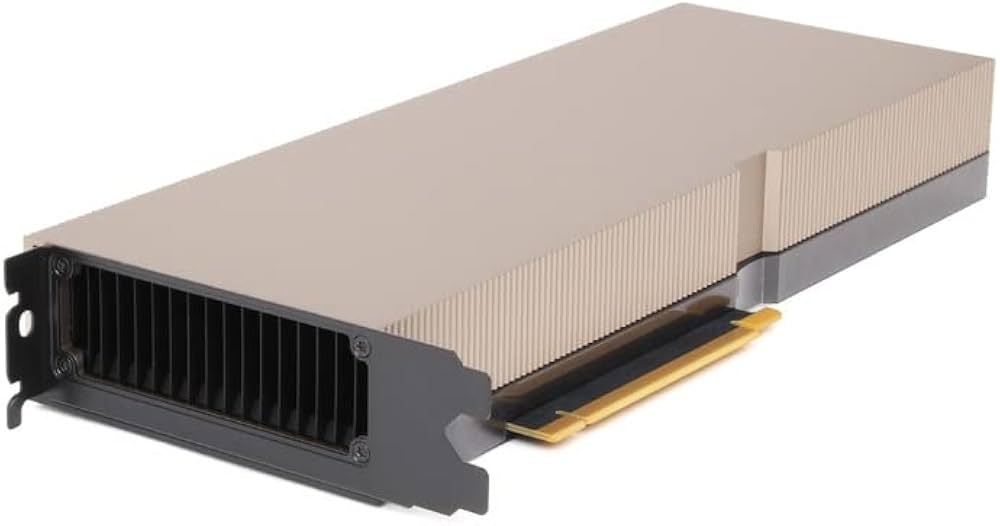
For enterprise-grade operations, networks often prefer or require data-center hardware like the NVIDIA A100 or H100. These cards offer superior memory bandwidth and reliability but come with a prohibitive entry cost for individual operators. Most retail node operators start with consumer cards, but the gap between consumer and professional hardware is widening as AI workloads become more complex.
Before purchasing, verify the specific VRAM and memory bandwidth requirements of your target network. Insufficient memory will bottleneck your node, regardless of raw compute power. The hardware market moves fast, and today's flagship card may be obsolete for next year's model releases.


As an Amazon Associate, we may earn from qualifying purchases.
Earnings Potential and Risks
Running a GPU node in a DePIN network is not free money; it is a hardware business with thin margins. If you own a high-end NVIDIA RTX 4090, you might earn between $3.00 and $7.00 per day depending on network demand and your specific provider. However, this gross revenue does not account for the two biggest profit killers: electricity and hardware depreciation.
Hardware depreciation is the silent killer of DePIN returns. GPUs are pushed to 100% utilization 24/7, leading to thermal stress and potential failure within 2-3 years. You must factor in the replacement cost of your hardware when projecting long-term returns. A node that pays for itself in six months may actually be a net loss when you replace the GPU in year two.
Network volatility adds another layer of risk. Token rewards fluctuate with market sentiment, and enterprise adoption of decentralized compute is still facing reliability and SLA hurdles. While the upside is real, treat this as a high-stakes investment in physical infrastructure, not a passive savings account.
No comments yet. Be the first to share your thoughts!