
Gpu market depin 2026 limits to account for
The GPU market is expanding rapidly, with the sector reaching USD 52.1 billion in 2023 and projected to grow at a 27% CAGR through 2032. This surge is driven by insatiable demand for high-performance computing in artificial intelligence, data analytics, and gaming. However, centralized cloud providers struggle to scale fast enough to meet this demand, creating a bottleneck that limits access for smaller AI developers and startups.
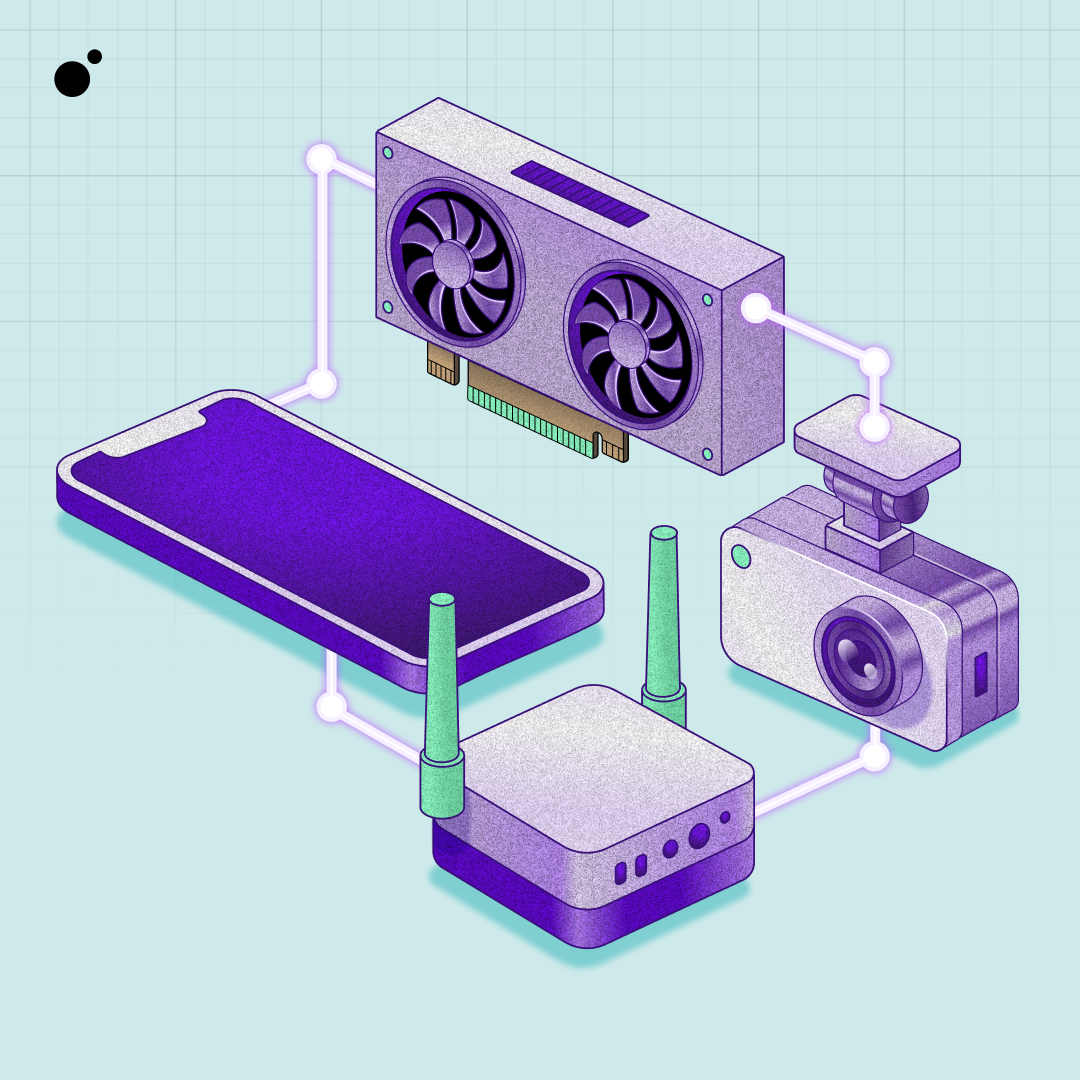
This constraint has birthed the Decentralized Physical Infrastructure Networks (DePIN) model. DePIN projects coordinate individuals and companies to provide physical resources—like compute power, storage, or bandwidth—in exchange for token rewards. By tapping into this distributed network of idle or underutilized GPU capacity, the market can bypass the traditional supply chain bottlenecks of centralized data centers.
For investors and builders, the core opportunity lies in how these networks lower the cost of entry for AI training. Instead of relying on a few major tech giants, the 2026 GPU market landscape allows for a more democratized and cost-effective compute layer. This shift is not just about cheaper hardware; it is about reshaping the economic incentives of AI infrastructure itself.
Gpu market depin 2026 choices that change the plan
As the GPU market forecast points to continued growth, the decentralized physical infrastructure (DePIN) sector is carving out a distinct niche. With nearly 250 projects tracking a combined market cap above $19 billion, the shift from centralized cloud providers to distributed compute requires careful evaluation. Before committing capital or compute resources, you must weigh the specific tradeoffs between cost, reliability, and liquidity.
Cost Efficiency vs. Hidden Overheads
DePIN networks often advertise lower hourly rates than major cloud providers, but the total cost of ownership includes additional layers. Token volatility can inflate or deflate your effective costs depending on when you buy or sell. Additionally, decentralized networks may incur higher data egress fees or require you to manage your own node hardware, which adds to the initial setup time. Always calculate the full lifecycle cost, not just the compute price.
Latency and Network Stability
Centralized data centers offer predictable, low-latency connections due to their dense infrastructure. In contrast, DePIN compute relies on a distributed grid of nodes, which can introduce variable latency. For real-time AI inference, this jitter can be problematic. However, for batch processing tasks like large-scale model training, the slight delay is often negligible. Evaluate whether your specific AI workload can tolerate the asynchronous nature of distributed nodes.
Token Liquidity and Exit Risk
Investing in DePIN involves exposure to both the technology and the associated crypto tokens. Unlike traditional stocks, DePIN tokens can suffer from low liquidity, making it difficult to exit positions without significant slippage. Market cap figures can be misleading if the circulating supply is low or if a large portion of tokens is locked. Assess the tokenomics and trading volume to ensure you can realistically convert your investment into cash when needed.
Provider Reliability and Redundancy
In a centralized model, if a server fails, the provider handles the failover. In DePIN, redundancy depends on the number of active nodes and the network's fault tolerance mechanisms. Some projects offer built-in redundancy, while others may struggle if node operators go offline. Check the historical uptime and the protocol's penalty mechanisms for offline nodes to gauge the reliability of the compute supply chain.
| Factor | Centralized Cloud | DePIN Compute |
|---|---|---|
| Upfront Cost | High | Low |
| Latency | Predictable | Variable |
| Token Risk | None | High |
| Scalability | Controlled | On-Demand |
How to evaluate GPU DePIN projects
Decentralized Physical Infrastructure Networks (DePIN) are reshaping the GPU market by creating a secondary layer for compute power. As the global GPU market expands at a 27% compound annual growth rate, investors and users must distinguish between speculative tokens and networks with active, verifiable hardware. Not all DePIN projects offer the same utility or reliability.
To navigate this space, focus on these four practical criteria:
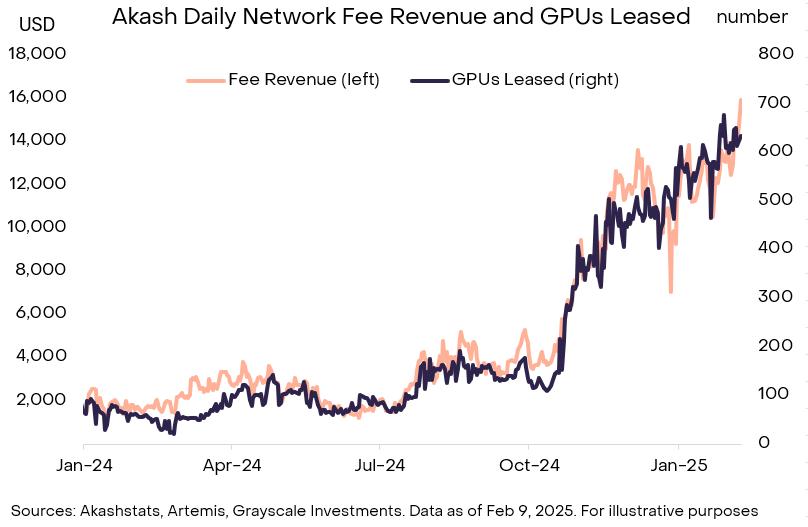
Look for networks that publish real-time dashboards of connected GPUs. Projects like Render and Akash Network demonstrate the highest utilization rates by matching idle consumer hardware with AI training demands. Avoid projects that rely solely on theoretical capacity without on-chain proof of work.
A DePIN token must be required to pay for compute services, not just for governance. High demand for GPU hours drives natural token buy pressure. Evaluate whether the network has enterprise contracts or active developer usage that creates consistent demand for the native token.
AI training requires long-running, uninterrupted compute. Review the network’s uptime history and redundancy protocols. Networks with robust slashing mechanisms for offline nodes provide more reliable infrastructure for serious AI workloads compared to decentralized groups with high churn rates.
DePIN projects operating in jurisdictions with clear crypto regulations face fewer operational risks. Check if the foundation is registered and if the token distribution complies with local securities laws. This reduces the risk of sudden project shutdowns or exchange delistings.
Market outlook and investment strategy
The convergence of AI and DePIN creates a unique investment thesis. While traditional GPU manufacturers like NVIDIA dominate the hardware side, DePIN networks offer exposure to the software and coordination layer. This sector is still early, but the growth in high-performance computing demand provides a clear tailwind for projects that deliver reliable compute at scale.
Investors should approach this market with caution. The high stakes involve volatile token prices and technical risks. Diversify across projects with different use cases, such as rendering, AI inference, and data storage, to mitigate the risk of any single network failing.
Avoid These GPU DePIN Traps
The decentralized compute narrative is expanding, but the market is crowded with projects that overpromise on hardware availability. Capital is flowing into DePIN infrastructure, yet many models rely on speculative tokenomics rather than actual compute delivery. Investors must distinguish between networks that offer real-time training slots and those that simply sell the concept of future capacity.
The "Unlimited Supply" Mirage
Many projects claim infinite GPU availability through their token incentives, but this often masks a lack of actual hardware. In reality, high-end GPUs like the H100 are scarce, and centralized clouds still dominate the market. DePIN networks that promise cheap, unlimited compute without clear hardware audits are often selling unbacked tokens. Look for projects with verifiable, on-chain hardware proofs rather than vague partnerships.
Tokenomics That Dilute Compute Rewards
Some DePIN models reward node operators with tokens that have no utility beyond speculation. If the token price crashes, the incentive to maintain hardware disappears, leaving AI clients with broken service level agreements. Sustainable models tie token emissions to actual compute hours delivered, ensuring that rewards reflect real work. Avoid projects where token inflation outpaces network usage.
Ignoring Real-World Integration
A common mistake is backing projects that cannot integrate with existing AI stacks. Decentralized compute must support standard frameworks like PyTorch or TensorFlow to be viable. Projects that require custom, proprietary interfaces for every client create friction that stifles adoption. Prioritize networks that offer seamless API compatibility, allowing AI developers to plug in without rebuilding their pipelines.
No comments yet. Be the first to share your thoughts!