
Get GPU DePIN Right
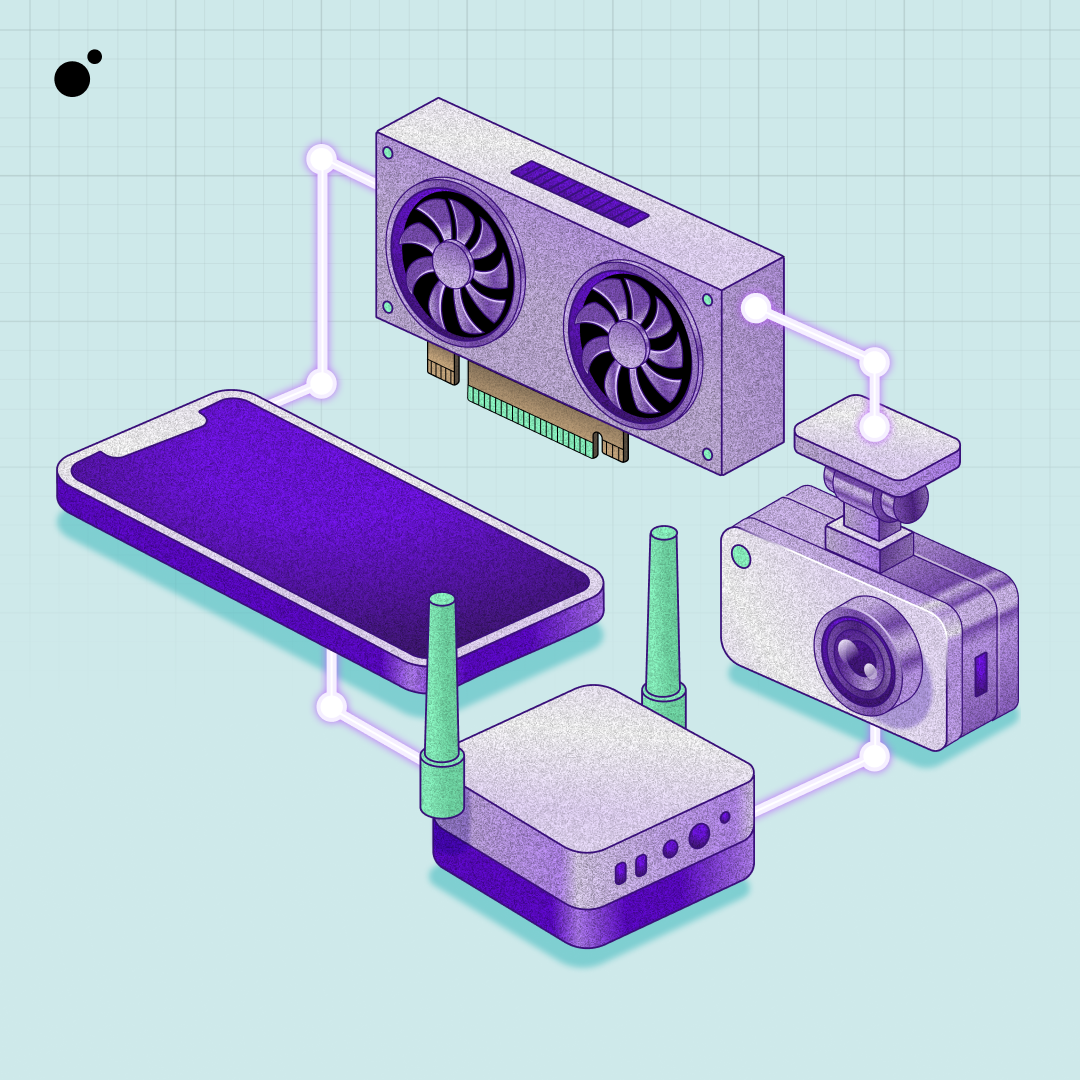
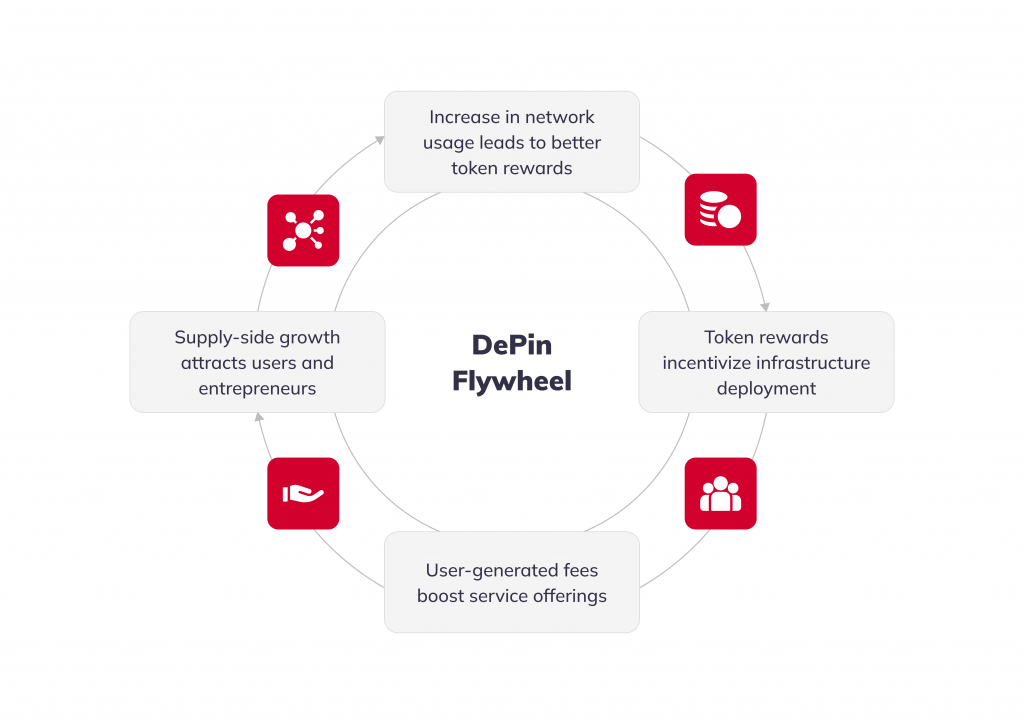
Before you connect your hardware, you need to understand what you are actually providing. DePIN (Decentralized Physical Infrastructure Networks) are blockchain-based systems that use token rewards to incentivize individuals to contribute real-world physical resources, such as computing power, to a shared network. In this context, a GPU is a specialized processor designed for complex calculations and machine learning tasks, distinct from its traditional role in gaming or cryptocurrency mining.
Success depends on matching your hardware to the right network requirements. Most GPU DePIN projects require specific CUDA core counts, VRAM capacity, and stable internet connections. Running incompatible software or neglecting thermal management will result in rejected tasks and zero rewards. Treat your idle rig as a server: ensure your drivers are updated, your power supply is stable, and your cooling solution can handle sustained 100% loads.
Start by auditing your current GPU capabilities against the minimum specs of major platforms like DePINed or GPU.net. Do not assume all projects accept the same hardware. Verify network latency and port forwarding requirements before installing any node software. This preparation phase prevents the most common mistake: wasting electricity on hardware that cannot meet the network’s strict performance thresholds.
Work through the steps
2026 guide: How to Profit from GPU DePIN Networks with Idle Hardware works best as a clear sequence: define the constraint, compare the realistic options, test the tradeoff, and choose the path with the fewest hidden costs. That order keeps the advice usable instead of decorative. After each step, pause long enough to check whether the recommendation still fits the reader's actual situation. If it depends on perfect timing, unusual access, or a best-case budget, include a simpler fallback.
Fix Common Mistakes
Even with powerful hardware, idle GPU setups often fail to generate meaningful returns due to avoidable configuration errors. The difference between a profitable node and a wasted electricity bill usually comes down to three specific technical oversights.
Overlooking Thermal Throttling
DePIN networks demand sustained 100% GPU utilization for hours at a time. Most consumer cards are not designed for this load and will throttle performance if temperatures exceed safe limits. This throttling reduces your hash rate or inference speed, directly lowering your token rewards. Ensure you have adequate case airflow or consider custom fan curves to maintain consistent performance without hardware damage.
Ignoring Network Latency
Many users assume any stable internet connection is sufficient. However, DePIN platforms like DePINed or GPU.net require low-latency, high-bandwidth connections to transfer large AI model weights or inference data efficiently. High ping or packet loss can cause your node to fail verification checks or miss reward windows. Use a wired Ethernet connection rather than Wi-Fi to minimize latency spikes that disrupt continuous operation.
Mismatched Hardware Requirements
Not all GPU networks accept all cards. Some platforms require specific CUDA core counts, VRAM sizes, or driver versions. Running a card that barely meets the minimum threshold often results in poor performance scores and lower earnings per hour. Always check the official hardware compatibility list for your chosen DePIN project before investing time in setup. Choosing a card with insufficient VRAM for the specific AI models you intend to host will render your node useless for high-value tasks.
Gpu depin: what to check next
Before committing hardware to a decentralized network, it helps to clarify how these systems actually function and where they fit in the current crypto landscape.
What are DePIN projects?
DePIN (Decentralized Physical Infrastructure Networks) are blockchain-based systems that incentivize individuals to contribute real-world physical resources to a shared network. Instead of relying on centralized corporations, these projects use token rewards to compensate users for providing computing power, wireless connectivity, storage, or energy. In the context of GPU networks, you are essentially renting out your hardware’s idle processing power to AI developers who need scalable compute resources.
What does GPU mean in crypto?
A Graphics Processing Unit (GPU) is a specialized processor designed to handle complex calculations and graphics rendering. While GPUs were historically associated with cryptocurrency mining, their role in DePIN has shifted toward supporting machine learning (ML) and AI applications. Projects like DePINed or GPU.net leverage these processors to perform the heavy mathematical lifting required for training AI models, offering a decentralized alternative to traditional cloud providers.
Can I use any GPU for DePIN?
Not all hardware is suitable for DePIN workloads. Most projects require GPUs with at least 8GB of VRAM to handle modern AI inference tasks, with 12GB or more being ideal for higher-paying jobs. Additionally, you need a stable internet connection and often a Linux-based operating system. Some networks prefer bare-metal infrastructure to avoid the performance overhead of virtualization, so check the specific hardware requirements of the platform before installing node software.
Is it profitable to rent out GPU power?
Profitability depends on your local electricity costs versus the token rewards earned. DePIN compute can be up to four times cheaper than major cloud providers like AWS, which drives demand but also caps potential margins. While idle hardware can generate passive income, you must factor in hardware depreciation, cooling costs, and network volatility. It is generally more viable for those who already own high-end GPUs and have access to low-cost power.
No comments yet. Be the first to share your thoughts!