
What to expect from GPU DePIN in 2026
The decentralized physical infrastructure network (DePIN) sector is maturing from experimental prototypes into functional compute markets. In 2026, the primary value proposition for GPU DePIN is not speculative mining, but rather providing accessible, on-demand compute power for AI training and rendering tasks. This shift addresses a critical bottleneck: the high cost and limited availability of centralized cloud GPU instances. By leveraging idle or underutilized hardware from individuals and small data centers, these networks offer a more flexible and often cheaper alternative for developers and researchers.
The market structure is evolving into a direct comparison between traditional cloud providers and decentralized alternatives. While AWS and Azure offer reliability and integration, they come with premium pricing and rigid scaling models. DePIN projects like Render, Akash, and io.net compete by aggregating fragmented supply, allowing users to bid for compute resources at market-driven rates. This creates a dynamic pricing environment where costs can be significantly lower during periods of low network demand, though it requires users to manage hardware compatibility and network latency themselves.
For investors and participants, the landscape is defined by specific trade-offs. High-end GPUs, such as the NVIDIA RTX 4090 or professional-grade A100/H100 clusters, remain the most profitable assets for node operators. Earnings can range from $3 to $7 daily for consumer cards, scaling substantially with enterprise hardware. However, profitability is highly dependent on the specific DePIN protocol, energy costs, and the current demand for AI inference versus training. The market is consolidating around projects that solve real-world compute shortages rather than those relying solely on token incentives.
The broader GPU market continues to grow, with projections suggesting a multi-hundred-billion-dollar industry by 2030. This growth is driven by the insatiable demand for AI development. While a severe global shortage of top-tier chips like the H100 persists, DePIN offers a partial solution by maximizing the utility of existing hardware. For those looking to engage, the focus is shifting from "mining" coins to providing verified compute power, making the investment thesis more tied to actual network usage and utility than pure speculation.
Gpu depin 2026 choices that change the plan
Choosing a decentralized compute network requires balancing upfront hardware costs against variable daily earnings. The landscape in 2026 has shifted from pure speculation to measurable utility, where the value of your GPU depends on the specific network’s demand for training versus inference workloads.
The following comparison breaks down the primary tradeoffs between leading GPU-focused DePIN projects. These metrics reflect current network structures, tokenomics, and hardware requirements.
| Network | Primary Use | Hardware Req | Avg Daily (USD) | Token Risk |
|---|---|---|---|---|
| Render (RNDR) | AI/Rendering | RTX 3090+ | $3.00 - $7.00 | Medium |
| Akash (AKT) | Cloud Compute | High RAM/CPU | $2.50 - $5.00 | Low |
| io.net | AI Training | RTX 3060+ | $1.50 - $4.00 | High |
| Golem (GLM) | General Compute | Varies | $1.00 - $3.00 | Medium |
Hardware and Entry Barriers
The most immediate tradeoff is the cost of entry. High-end NVIDIA cards like the RTX 4090 offer the highest earning potential on networks like Render, but they require significant capital and cooling infrastructure. Lower-tier cards may qualify for networks like io.net, but their earnings are often marginal after electricity costs. Always calculate your local power rate against the projected daily yield before purchasing hardware.
Network Stability and Token Volatility
Earnings are paid in native tokens, which introduces volatility risk. Networks with established partnerships in the AI and rendering industries, such as Render, tend to have more stable demand but may face higher competition. Newer or smaller networks might offer higher yields to attract nodes, but their tokens can experience sharper price swings. This volatility can erase daily earnings if the token price drops significantly while you are staking or holding rewards.
Use Case Alignment
Your choice should align with your technical comfort and financial goals. If you want exposure to AI inference and rendering, Render remains the most mature option. For those interested in cloud infrastructure arbitrage, Akash offers a different risk profile. Diversifying across two networks can mitigate the risk of any single platform underperforming or changing its reward structure.
How to choose a DePIN network
Decentralized compute networks offer a practical alternative to centralized cloud providers by aggregating idle GPU power into a usable grid. The market has moved beyond speculative hype to real-world utility, with monthly revenues for major networks reaching $150 million. This shift has created distinct pathways for participation, ranging from renting out hardware to investing in the underlying tokens.
The choice depends on whether you have capital to deploy, hardware to contribute, or both. Below is a framework to evaluate your options based on resource availability and risk tolerance.
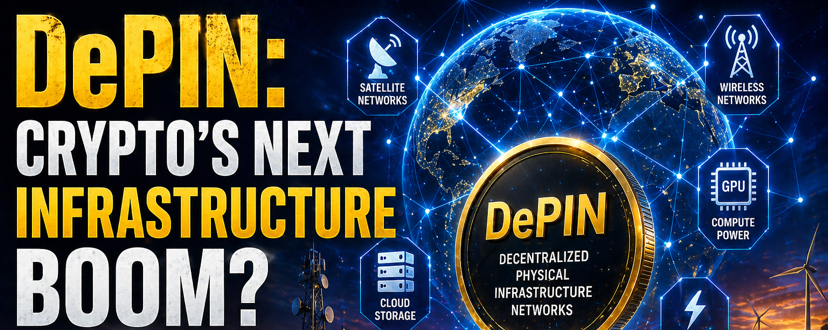
If you own high-end consumer GPUs, such as the NVIDIA RTX 4090, you can join compute-sharing networks like Akash or Render. These platforms allow you to lease your idle compute power to AI researchers and developers. Earnings typically range from $3.00 to $7.00 per day per card, depending on network demand and uptime. This approach requires technical setup but offers direct exposure to the compute market without token speculation.
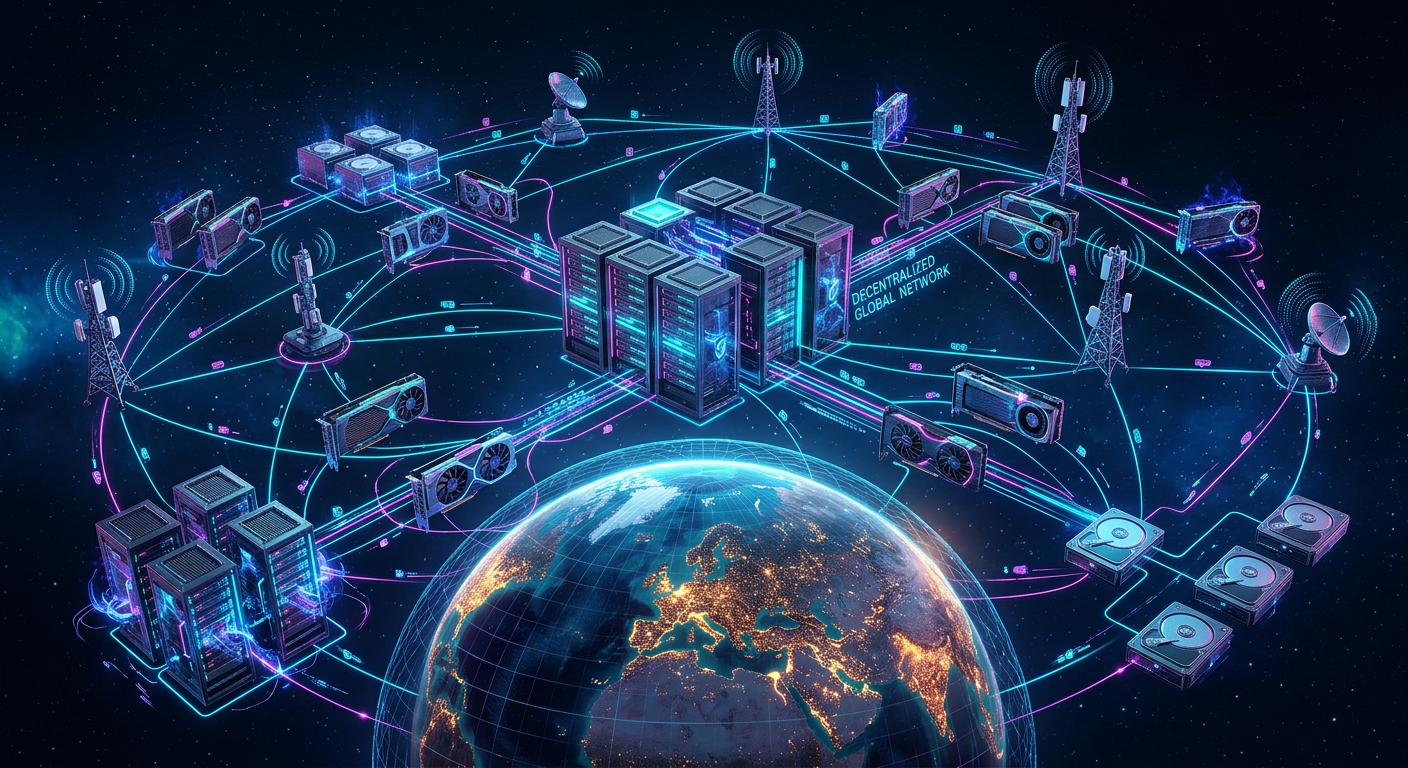
For those without hardware, investing in DePIN tokens provides indirect exposure. Projects like Render (RNDR) and Akash (AKT) trade on major exchanges, offering liquidity and price appreciation potential tied to network growth. This method carries higher volatility than hardware rental. You are betting on the network’s ability to attract enterprise clients and maintain operational efficiency rather than earning fixed compute fees.
Not all networks serve the same purpose. Render focuses on graphics rendering and AI inference, while Akash offers a decentralized cloud marketplace for general-purpose compute. Evaluate each network’s client base, latency metrics, and smart contract audits. A network with strong enterprise partnerships offers more stability than one reliant on retail users. Choose the platform that aligns with your risk appetite and technical expertise.
| Method | Capital Required | Risk Level | Primary Return |
|---|---|---|---|
| Hardware Rental | High (GPU cost) | Medium | Daily crypto fees |
| Token Investment | Variable | High | Price appreciation |
| Staking | Variable | Medium | Network yield |
Spotting Weak DePIN GPU Options
Not every decentralized compute network delivers the promised returns. The 2026 GPU boom has attracted projects with vague tokenomics or unrealistic yield claims. Distinguish between networks with actual enterprise demand and those relying on speculative token incentives.
The "Passive Income" Trap
Many projects advertise $3.00 to $7.00 daily earnings for RTX 4090 owners. This figure often ignores electricity costs, hardware depreciation, and network congestion. If a project promises fixed daily returns without detailing the underlying compute demand, treat it as a high-risk speculation, not passive income.
Weak Tokenomics and Vague Roadmaps
Some DePIN projects lack clear utility beyond token staking. Look for networks with signed contracts from AI training firms or cloud providers. If the whitepaper relies heavily on future partnerships without current revenue streams, the option is weak. Prioritize networks with transparent node verification and real-world compute delivery.
Hardware Compatibility Issues
Not all GPUs are supported equally. NVIDIA’s dominant market share means most DePIN networks optimize for CUDA cores. Older AMD or integrated graphics often yield negligible rewards due to poor software support. Verify hardware requirements before committing resources. Networks claiming broad compatibility without specific driver support may struggle with adoption.
No comments yet. Be the first to share your thoughts!