
Why GPU DePIN matters in 2026
Use this section to make the GPU DePIN decision easier to compare in real life, not just on paper. Start with the reader's actual constraint, then separate must-have requirements from details that are merely nice to have. A practical choice should survive normal use, maintenance, timing, and budget. If a recommendation only works in an ideal situation, call that out plainly and give the reader a fallback path.
The simplest way to use this section is to write down the must-have criteria first, then compare each option against those criteria before weighing nice-to-have features.
Top decentralized rendering networks
The decentralized rendering landscape in 2026 has matured from experimental prototypes into robust infrastructure layers. These networks aggregate idle GPU capacity from individual owners to serve professional workloads, offering a cost-effective alternative to centralized cloud providers. By removing the middleman, these platforms allow GPU holders to monetize hardware while creators access high-performance compute on demand.
The following comparison highlights the leading decentralized rendering networks, focusing on their primary use cases, underlying blockchain infrastructure, and token utility. This data helps distinguish between networks optimized for creative rendering and those built for broader AI compute tasks.
Centralized vs decentralized GPU economics
Use this section to make the GPU DePIN decision easier to compare in real life, not just on paper. Start with the reader's actual constraint, then separate must-have requirements from details that are merely nice to have. A practical choice should survive normal use, maintenance, timing, and budget. If a recommendation only works in an ideal situation, call that out plainly and give the reader a fallback path.
The simplest way to use this section is to write down the must-have criteria first, then compare each option against those criteria before weighing nice-to-have features.
Key risks and infrastructure challenges
Use this section to make the GPU DePIN decision easier to compare in real life, not just on paper. Start with the reader's actual constraint, then separate must-have requirements from details that are merely nice to have. A practical choice should survive normal use, maintenance, timing, and budget. If a recommendation only works in an ideal situation, call that out plainly and give the reader a fallback path.
The simplest way to use this section is to write down the must-have criteria first, then compare each option against those criteria before weighing nice-to-have features.
GPU DePIN sector outlook and token performance
The GPU DePIN sector is shifting from speculative infrastructure play to a functional market layer. With decentralized physical infrastructure valuations nearing $20 billion in 2026, the focus has moved toward utility: coordinating real-world GPU compute for AI training and rendering workloads. This transition is driven by the acute demand for high-performance hardware that centralized cloud providers struggle to meet at scale.
Market sentiment for leading tokens like RNDR reflects this dual identity as both a crypto asset and an infrastructure provider. The following chart illustrates recent price action, highlighting the volatility inherent in early-stage network adoption.
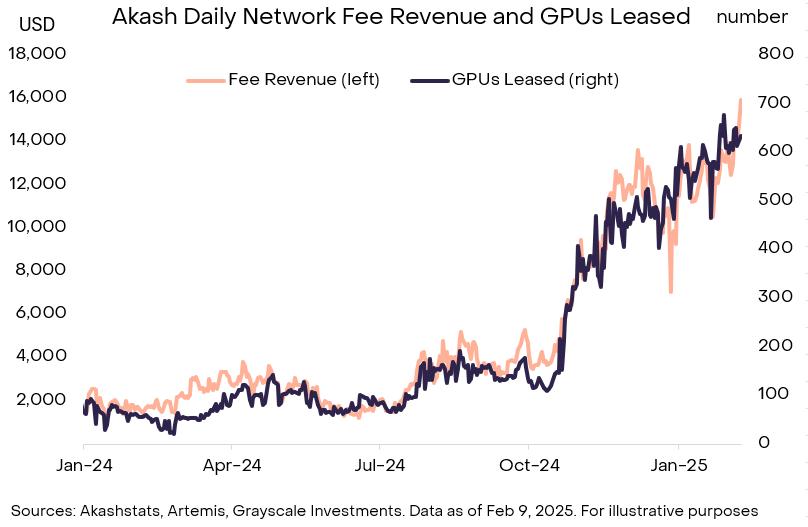
While token prices fluctuate with broader crypto cycles, the underlying economics of node operation remain distinct from traditional mining. Owners of high-end GPUs can now earn daily revenue by contributing idle compute power to decentralized networks. This shift creates a tangible link between physical hardware value and network growth, grounding the sector in real-world demand rather than pure speculation.
Frequently asked: what to check next
Is GPU mining dead in 2026?
Traditional proof-of-work mining is largely obsolete, but GPU compute remains vital for GPU DePIN 2026 rendering networks. High-end cards like the RTX 4090 now earn $3–$7 daily by providing decentralized rendering power rather than securing blockchains. This shift transforms GPUs from speculative mining rigs into utility-focused infrastructure nodes.
Will there be a GPU shortage in 2026?
Demand for AI training and decentralized rendering continues to compete for high-end hardware. While consumer supply chains stabilize, enterprise-grade GPUs remain constrained by manufacturing capacity. This scarcity drives up rental rates for GPU DePIN nodes, making existing hardware more valuable for long-term passive income strategies.
How do rendering networks compare to cloud providers?
Decentralized networks typically undercut major cloud providers by 30–50% on rendering jobs. By leveraging idle consumer hardware, these networks offer cost-effective alternatives for studios without sacrificing quality. The trade-off involves slightly higher latency and less predictable uptime compared to centralized enterprise clouds.
No comments yet. Be the first to share your thoughts!