
GPU DePIN in 2026: The Reality Check
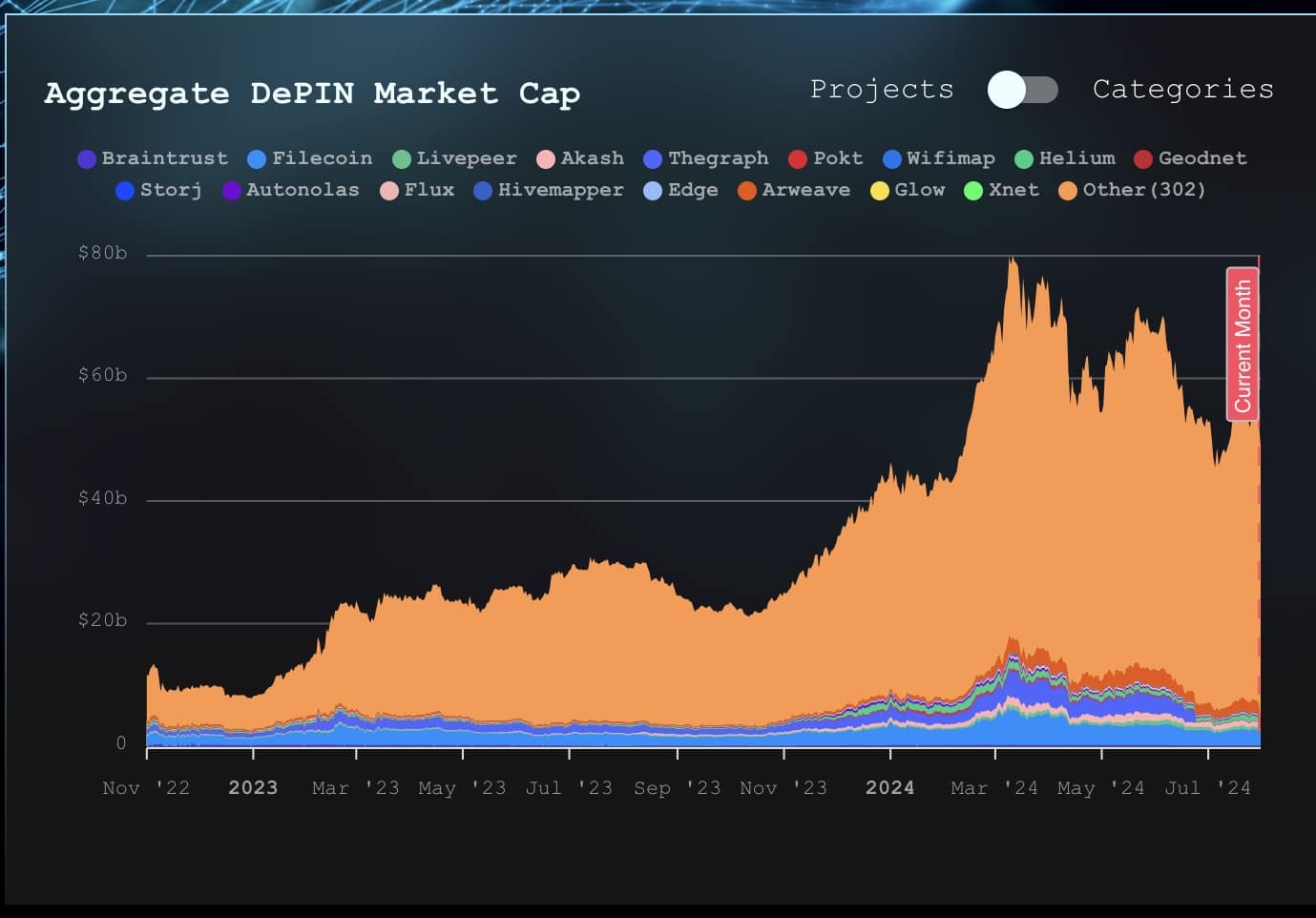
Decentralized Physical Infrastructure Networks (DePIN) have moved past the hype cycle into a phase of hard constraints. In 2026, the GPU market for decentralized rendering and AI compute is no longer defined by potential, but by operational viability. Projects that failed to deliver reliable proof-of-service data are fading, while those with robust infrastructure are capturing the enterprise demand for affordable AI inference.
The primary bottleneck remains hardware accessibility and energy efficiency. High-end GPUs like the NVIDIA H100 or A100 are scarce on decentralized networks due to their cost and power requirements. Most successful 2026 DePIN projects now rely on a hybrid model, combining consumer-grade GPUs for lighter tasks with specialized data center nodes for heavy AI workloads. This split ensures that the network remains decentralized without compromising on the latency required for real-time rendering or model training.
Another critical constraint is the verification layer. Early DePIN models struggled with "sybil attacks" where fake nodes inflated their reported compute power. By 2026, protocols like those highlighted in recent industry analyses have implemented stricter cryptographic proofs to validate actual GPU usage. This shift has improved trust for clients but has also increased the technical barrier to entry for node operators. You must now understand not just GPU hardware, but the specific verification software required to earn rewards.
Finally, economic sustainability is the final filter. Many projects burned through venture capital to subsidize node rewards, a model that collapsed in 2025. In 2026, successful networks rely on genuine demand from AI startups and rendering farms. If a DePIN project cannot prove it is cheaper than AWS or Azure for specific workloads, it will not survive. The market is now sorting between projects with real utility and those still chasing speculative token value.
Gpu depin 2026 choices that change the plan
Choosing a decentralized rendering network in 2026 requires balancing upfront hardware costs against long-term yield stability. The market has shifted from speculative hype to a focus on proof-of-service integrity and realistic return on investment. You are not just renting out idle silicon; you are entering a competitive infrastructure layer that must outperform centralized cloud providers on cost and reliability.
Before committing capital, evaluate three concrete factors: hardware depreciation speed, network verification overhead, and token volatility risk. A high-end GPU like the RTX 4090 may generate $3 to $7 daily, but electricity costs and hardware replacement cycles can quickly erode margins. Always run the numbers based on your local energy rates, not the average claims found in promotional materials.
Network Verification and Uptime
Proof-of-service mechanisms determine whether your node actually earns rewards or simply burns power. Networks that require continuous, high-bandwidth connectivity and strict uptime guarantees often yield higher payouts but demand robust home internet connections. If your connection drops, many protocols penalize your stake or reduce your earning rate significantly. Check the network’s historical uptime requirements before buying hardware.
Token Economics and Exit Liquidity
Most DePIN projects reward contributors with native tokens rather than stablecoins. This introduces significant price risk. A network might advertise high daily yields in its token, but if the token price drops 50% in a week, your real-world earnings vanish. Evaluate the token’s liquidity and market depth. Can you easily sell your rewards without slippage? If the token is thinly traded, your paper gains may never convert to usable capital.
Hardware Depreciation and Support
GPU prices fluctuate wildly based on AI demand cycles. Buying hardware at a peak can leave you underwater if prices drop before you recoup your investment. Additionally, decentralized networks often lack the customer support of centralized cloud providers. If your GPU fails or drivers break, you are on your own. Factor in the potential cost of replacement parts and the time spent troubleshooting.
| Factor | Centralized Cloud | GPU DePIN |
|---|---|---|
| Upfront Cost | Low (pay-as-you-go) | High (hardware purchase) |
| Maintenance | Provider handled | Self-managed |
| Yield Stability | Predictable rates | Token-dependent |
| Scalability | Instant | Limited by hardware |
How to choose a decentralized GPU rendering network
Selecting the right DePIN for your AI compute needs requires matching your workload to the network's specific strengths. The market in 2026 has segmented into specialized providers, meaning a platform excellent for video rendering may be inefficient for large language model inference. Use this framework to evaluate your options.
Identify whether your task involves rendering, training, or inference. Networks like Render Network specialize in graphics rendering, while Akash provides a general-purpose cloud marketplace. Using the wrong architecture for your specific AI model can lead to compatibility issues and wasted time, regardless of the price per hour.
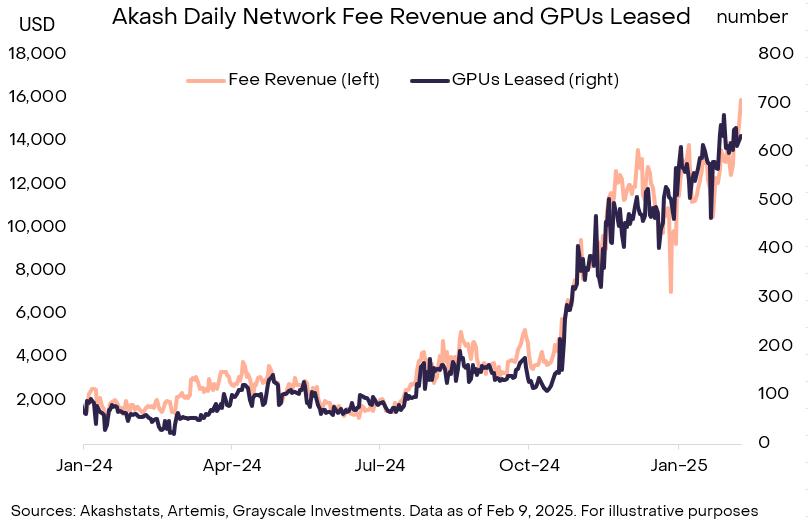
Ensure the network uses verifiable proof of service to guarantee your tasks were completed correctly. Orochi Network and others emphasize data integrity through cryptographic proofs. Without this verification, you risk paying for incomplete or incorrect computations, which is a critical risk in high-stakes AI training environments.
Check the geographic distribution of nodes to minimize latency for your specific use case. If you are running real-time inference, nodes located near your users are essential. For batch processing, cost efficiency may outweigh latency concerns. Review the network's node map to ensure coverage in relevant regions.
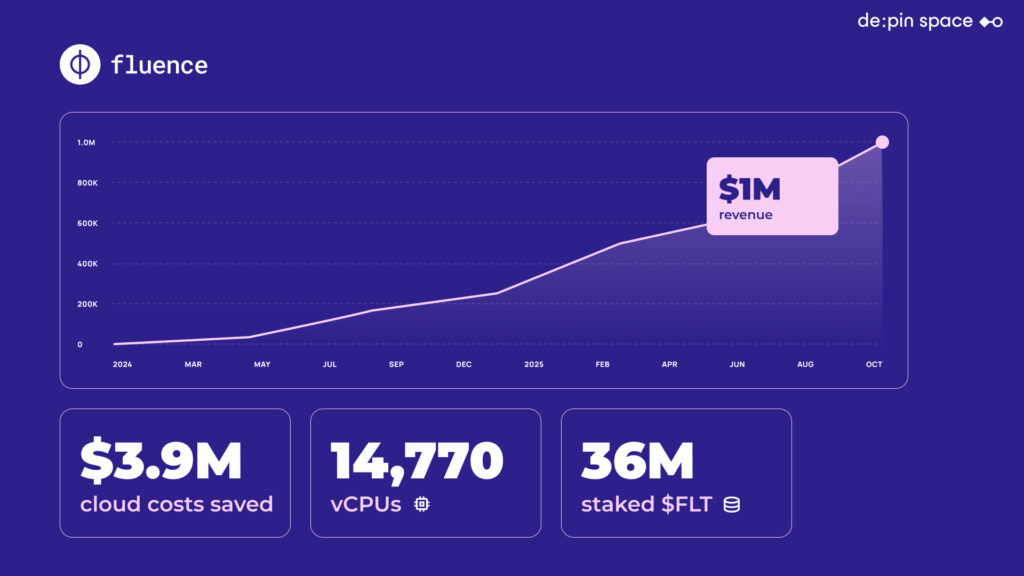
Assess the token's liquidity and vesting schedules. Some networks offer high yields but have illiquid tokens, making it difficult to exit your position without significant slippage. Prefer networks with established trading pairs on major exchanges to ensure you can realize your returns.
Run a small batch of tasks before committing significant resources. This allows you to measure actual performance, node reliability, and payout speed. Many networks offer free tiers or low-cost trials for new users. Use this data to validate the network's claims against your specific requirements.
Spotting Weak Options in GPU DePIN
The decentralized rendering market is crowded with projects promising passive income through GPU sharing. However, many options fail to deliver on their core value proposition. Identifying weak options requires looking past marketing claims and examining the underlying infrastructure and tokenomics.
Unverified Proof-of-Service
Some networks rely on simple uptime checks rather than actual computational verification. If a project does not publish transparent, auditable proof-of-service data, it likely lacks the integrity needed for serious AI workloads. Without rigorous validation, these networks cannot compete with centralized cloud providers on reliability or cost.
Unrealistic Revenue Projections
Many listings promise high daily returns based on ideal hardware configurations and optimal network conditions. These projections often ignore hardware depreciation, electricity costs, and network congestion. Always calculate net profit after expenses, not gross revenue, to understand the true financial impact.
Vague Technical Specifications
Weak options often use generic terms like "high-performance" without specifying GPU models, VRAM capacity, or interconnect speeds. AI rendering requires specific hardware capabilities. If a project does not clearly state which GPU architectures it supports, it may not be compatible with modern AI training or inference tasks.
Lack of Transparent Roadmaps
Projects that lack clear, dated roadmaps or have frequently delayed milestones are risky. Look for projects with active development on public repositories and clear governance structures. Transparency in development progress is a strong indicator of long-term viability in the DePIN space.
Gpu depin 2026: what to check next
Can I earn passive income with a consumer GPU?
Yes, but returns are modest. A high-end NVIDIA RTX 4090 typically generates between $3.00 and $7.00 per day, depending on network demand and uptime. This is not a get-rich-quick scheme; it is a hardware offset. Treat the earnings as a way to reduce your electricity and hardware costs rather than a primary revenue stream.
Which DePIN projects are safest for beginners?
Start with established networks that have clear proof-of-service mechanisms. Projects like Render and Akash have longer track records and larger liquidity pools, reducing the risk of token devaluation. Avoid new, untested networks promising unrealistically high yields. Verify that the network has real clients requesting compute power, not just speculative token rewards.
How do I handle hardware wear and tear?
Rendering workloads push GPUs to 100% utilization, accelerating thermal wear. Ensure your system has robust cooling and monitor temperatures closely. Most networks provide dashboard tools to track health, but you must manage the hardware. Consider using dedicated mining rigs or older GPUs you plan to replace anyway to minimize the impact on your primary workstation.
What are the tax implications of DePIN earnings?
In most jurisdictions, crypto rewards from DePIN networks are treated as ordinary income at the time of receipt. You must report the fair market value in your local currency on the day you earn the tokens. Consult a tax professional familiar with crypto assets to ensure compliance, as regulations are evolving rapidly in 2026.
No comments yet. Be the first to share your thoughts!