
DePIN GPU mining in 2026: real limits to account for
DePIN is reshaping how idle consumer hardware generates value by turning GPUs into distributed compute nodes for AI and storage tasks. Unlike traditional crypto mining, which burns power for proof-of-work, DePIN rewards hardware owners for providing real-world utility. This shift means your GPU isn't just hashing; it's training models or hosting data.
However, the path to profitability is not simple. The primary constraint is hardware efficiency. Older GPUs that were profitable in 2023 often struggle with the higher memory bandwidth requirements of modern AI workloads. You need cards with at least 12GB VRAM to run most inference tasks, and even then, performance varies wildly between projects.
Network reliability is another hurdle. DePIN protocols require consistent uptime and stable internet connections. A single day of downtime can significantly reduce your monthly yield. Unlike mining pools that smooth out variance, DePIN rewards are often tied to specific task completion, making every hour of availability count.
Finally, competition is intensifying. As more users join networks like Render or Akash, the reward per unit of compute drops. You must constantly monitor which projects offer the best ROI for your specific hardware. The most successful miners in 2026 are those who treat their GPUs as flexible assets, rotating between different DePIN protocols based on current market rates.
DePIN choices that change the plan
DePIN shifts the value proposition from simple block rewards to utility-based payments. Instead of competing for scarce block space, GPU miners provide verifiable compute to AI models, rendering networks, or data processing tasks. This changes the risk profile entirely. You are no longer betting on a coin's market cap alone; you are betting on the network's ability to secure long-term contracts with AI startups or enterprise clients.
The primary tradeoff is hardware efficiency versus network compatibility. High-end consumer cards like the NVIDIA RTX 4090 offer raw power but lack the ECC memory and NVLink interconnects found in data-center GPUs. Some DePIN protocols require specific hardware certifications or minimum VRAM thresholds to qualify for high-yield tasks. If your hardware doesn't meet the protocol's technical standards, your hashrate may be throttled or rejected, regardless of how fast the card runs.
Network reliability and payout consistency are the second major factor. Traditional crypto mining pays out in volatile tokens that can drop 50% in a week. DePIN payouts often come in stablecoins or fiat-equivalent credits, reducing currency risk but introducing counterparty risk. You must evaluate the protocol's treasury health and the creditworthiness of its clients. A network with fewer, larger enterprise clients may offer more stable income than one relying on speculative retail demand.
Finally, consider the barrier to entry and competition. As the DePIN narrative matures, early adopters are being joined by institutional miners with access to cheap industrial electricity and bulk hardware procurement. This squeezes margins for home-based operators. Success in 2026 requires not just owning a GPU, but optimizing for low-latency connections, efficient cooling, and selecting protocols with strong client retention rates.
| Factor | Traditional Mining | DePIN Mining | Impact on Profit |
|---|---|---|---|
| Revenue Source | Block rewards & fees | Utility contracts (AI/Render) | DePIN reduces token volatility risk but ties income to client solvency. |
| Hardware Requirements | ASICs or high-VRAM GPUs | Varies by protocol; often consumer GPUs | Lower hardware barrier, but performance caps limit earnings per unit. |
| Payout Currency | Native volatile token | Stablecoins or fiat-equivalent | Stable payouts help with cash flow planning but may cap upside. |
| Competition Level | Global hash rate race | Protocol-specific reputation & uptime | Network loyalty and uptime matter more than raw hashrate. |
Choose the next step
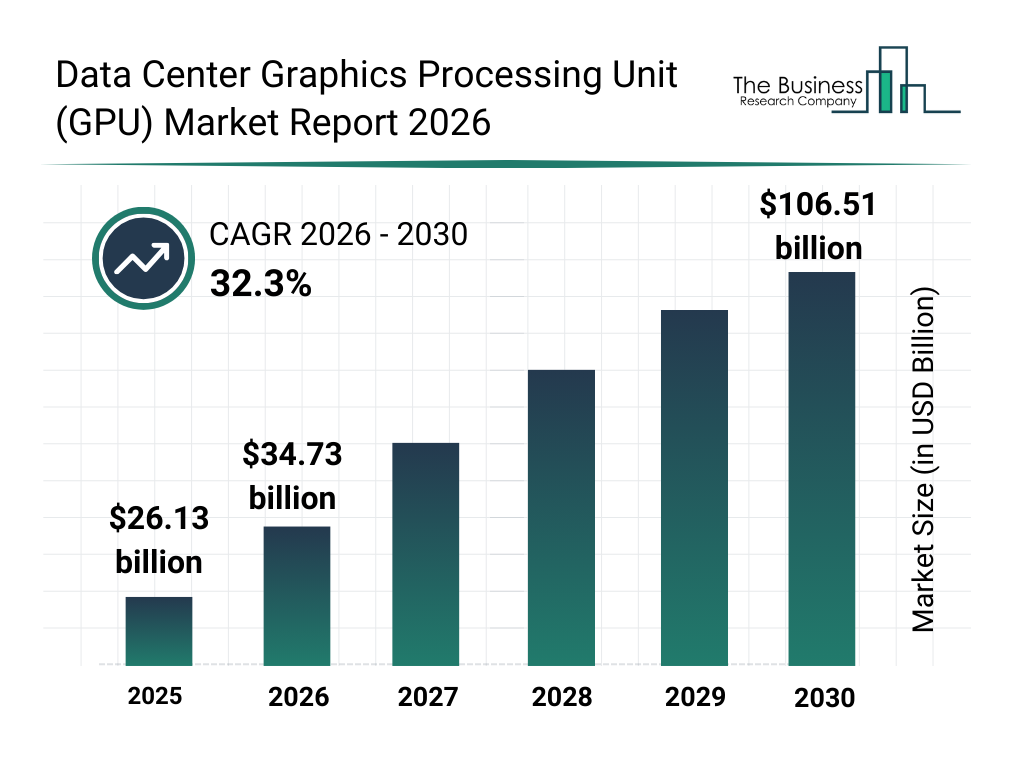
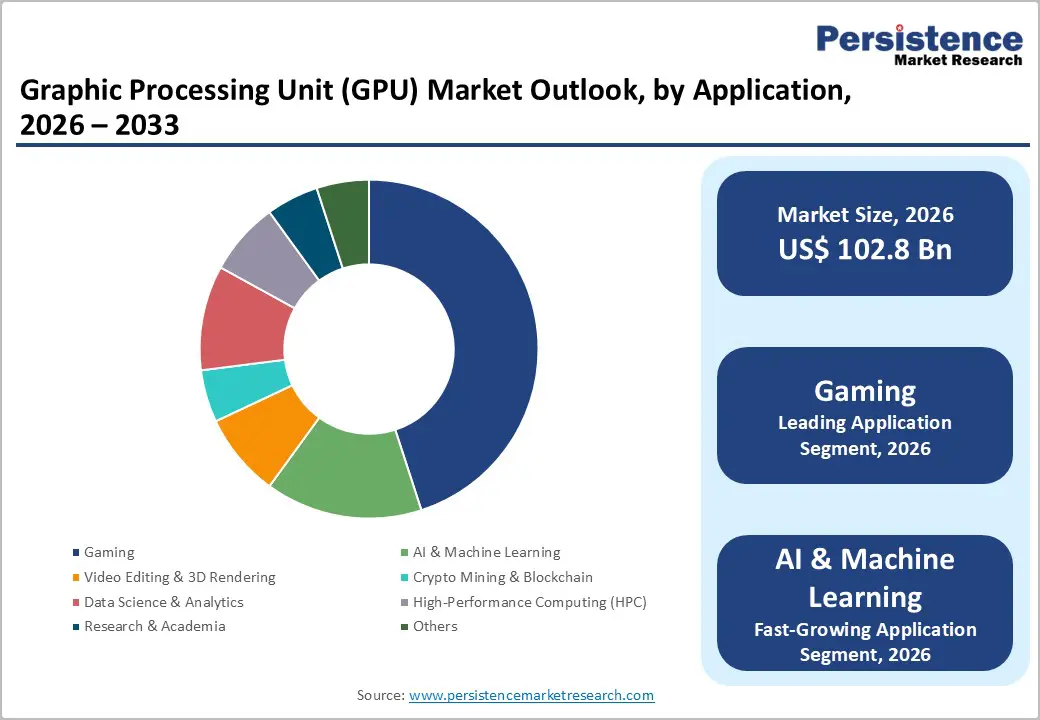
GPU Market Outlook works best as a clear sequence: define the constraint, compare the realistic options, test the tradeoff, and choose the path with the fewest hidden costs. That order keeps the advice usable instead of decorative. After each step, pause long enough to check whether the recommendation still fits the reader's actual situation. If it depends on perfect timing, unusual access, or a best-case budget, include a simpler fallback.

Avoid the weak options
Use this section to make the GPU Market Outlook decision easier to compare in real life, not just on paper. Start with the reader's actual constraint, then separate must-have requirements from details that are merely nice to have. A practical choice should survive normal use, maintenance, timing, and budget. If a recommendation only works in an ideal situation, call that out plainly and give the reader a fallback path.
The simplest way to use this section is to write down the must-have criteria first, then compare each option against those criteria before weighing nice-to-have features.
What to check next
The DePIN sector has reshaped how idle hardware generates value, shifting focus from pure token speculation to real-world infrastructure demand. Here are the practical answers to the most common questions about GPU mining in 2026.
These answers reflect the current market reality where hardware utility drives value. Always check the latest performance data on platforms like DePIN Scan before committing resources.
No comments yet. Be the first to share your thoughts!