
The 2026 GPU DePIN Market Shift
By 2026, the GPU DePIN sector has evolved from experimental infrastructure into a critical alternative to traditional hyperscaler clouds. Decentralized networks are no longer just aggregating idle consumer graphics cards; they are forming robust, high-performance clusters that address the severe AI compute bottleneck. This shift is driven by the unsustainable cost structure of centralized training, prompting AI developers to seek more flexible and affordable alternatives.
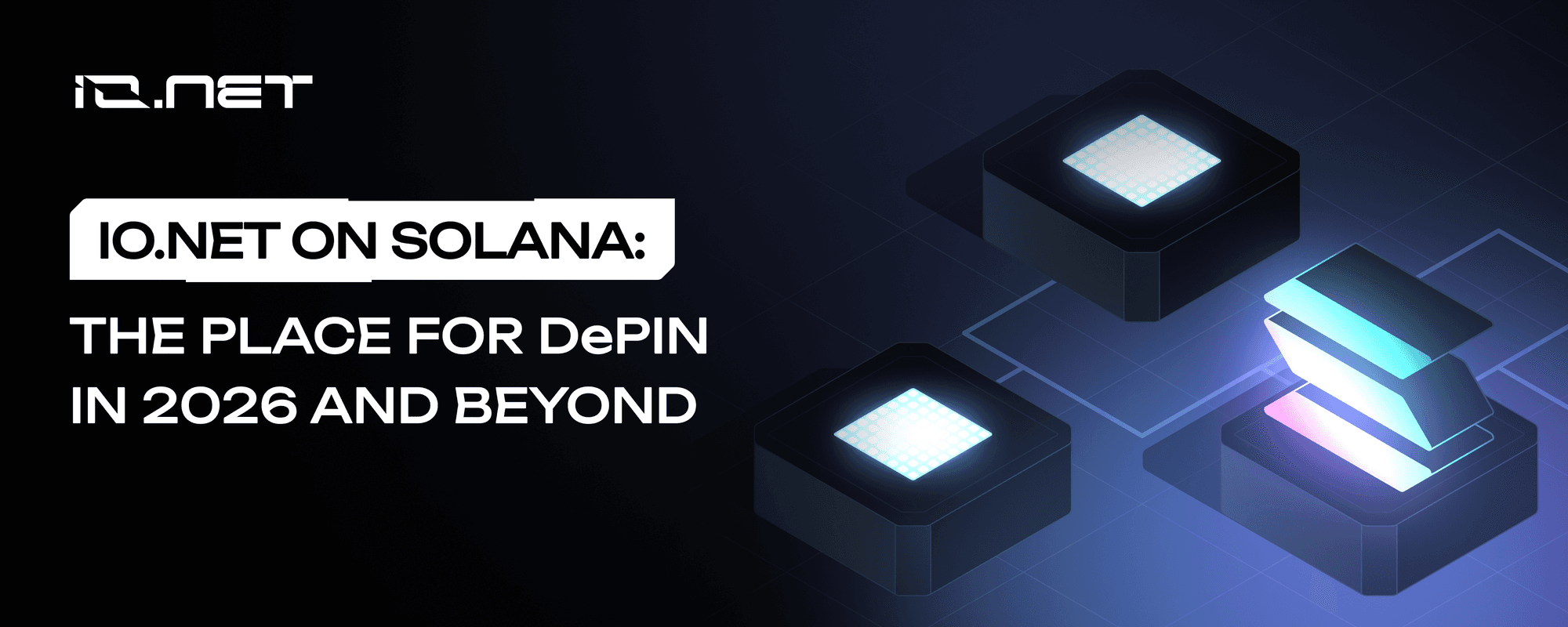
Traditional cloud providers face capacity constraints and rising energy costs, creating a pricing premium that decentralized networks can undercut significantly. Projects like io.net have positioned themselves as the compute infrastructure layer on Solana, aggregating underutilized hardware to offer competitive rates for model training and inference. This democratization of access allows smaller AI startups to compete with well-funded incumbents by reducing their barrier to entry.
The economic model relies on a distributed supply chain where hardware owners are incentivized to share resources, creating a liquid market for compute power. This decentralization not only lowers costs but also increases resilience against single-point failures. As the market matures, the focus is shifting from mere aggregation to ensuring high-quality, verified performance, making DePIN a viable, scalable option for serious AI workloads.
The volatility in token prices, as seen in the RENDER/USDT chart, reflects the market's ongoing assessment of these network utilities. While price action remains speculative, the underlying adoption of decentralized compute for real-world AI tasks is steadily increasing, signaling a structural change in how AI infrastructure is procured and managed.
Comparing Top Decentralized Compute Networks
The decentralized compute market has fragmented into distinct layers, each optimized for specific stages of the AI pipeline. While centralized hyperscalers dominate general-purpose workloads, DePIN networks are carving out niches in high-performance training and cost-sensitive inference. Understanding these architectural differences is essential for capital allocation, as the tokenomics and hardware requirements for each segment vary significantly.
We can categorize the leading projects by their primary utility: heavy-duty model training versus scalable inference serving. Training networks require massive parallel processing capabilities and often rely on proprietary interconnects to link thousands of GPUs. In contrast, inference networks focus on latency reduction and geographic distribution, leveraging edge devices to serve real-time requests closer to the end user.
The economic argument for DePIN hinges on the cost arbitrage against legacy cloud providers. By utilizing underutilized consumer and data-center hardware, these networks can offer compute power at a fraction of the cost of AWS or Azure. However, this savings comes with trade-offs in reliability and standardization, which are critical considerations for enterprise adoption.
| Network | Primary Use Case | Est. Cost vs. AWS | Architecture |
|---|---|---|---|
| Render Network | Rendering & Inference | ~30-50% lower | Distributed Edge |
| Akash Network | General Compute / Training | ~60-80% lower | Open Source Cloud |
| io.net | AI Training / Inference | ~40-60% lower | GPU Aggregator |
| Gensyn | Model Verification | N/A (Verification Layer) | Proof-of-Verification |
| Nexus | Inference & Storage | ~50% lower | Decentralized Cloud |
The table above highlights the primary positioning of major players. Akash Network operates as a decentralized marketplace for general compute, appealing to developers who need flexible, low-cost infrastructure for training jobs. Render Network, originally focused on 3D rendering, has pivoted toward AI inference, leveraging its existing edge network to serve model requests. io.net aggregates idle GPU power from various sources, creating a unified pool for both training and inference workloads.
When evaluating these networks, investors and developers must look beyond the headline cost savings. The reliability of the underlying hardware, the quality of the network interconnects, and the stability of the token model all impact the final utility. For training workloads, Akash and io.net offer the most robust ecosystems, while Render remains a strong contender for inference-heavy applications requiring low latency.
The Reality Gap: Enterprise Hurdles in DePIN Adoption
While DePIN promises to undercut centralized cloud pricing, the economic reality for enterprise AI workloads is far more complex. Theoretical savings often vanish when factoring in the hidden costs of orchestration, data egress, and the premium required for guaranteed availability. For enterprises, the decision is not merely about hardware cost per hour, but about the total cost of ownership for reliable, scalable compute.
Reliability and sla limits to account for
Enterprise AI training and inference require strict Service Level Agreements (SLAs) that decentralized networks currently struggle to meet. Centralized providers offer nine-nines availability and instant scalability; DePIN networks, composed of distributed nodes, face inherent latency and reliability risks. A dropped node during a multi-day training run can cost thousands in wasted compute and delayed time-to-market. This reliability gap forces enterprises to maintain hybrid setups, negating some of the projected cost benefits.
Orchestration Complexity
Managing a decentralized cluster requires sophisticated orchestration layers that add technical overhead. Unlike the seamless API integration of AWS or Azure, DePIN solutions often demand custom middleware to handle node discovery, workload distribution, and fault tolerance. This complexity increases engineering hours and operational risk, making the "plug-and-play" appeal of centralized clouds more attractive despite higher base prices.
Cost Comparison: Centralized vs. Decentralized
The following table illustrates the typical cost structures and trade-offs between centralized hyperscalers and DePIN providers for enterprise-grade AI compute.
| Feature | Centralized Cloud | DePIN Network |
|---|---|---|
| Base Compute Cost | High ($0.50-$1.00/hr) | Low ($0.10-$0.30/hr) |
| SLA Guarantee | 99.9%+ (Contractual) | Best Effort (Variable) |
| Orchestration | Native/Managed | Custom/Middleware Required |
| Data Egress | High Fees | Lower Fees (Often) |
| Procurement | Standard POs | Crypto/Token Payments |
Market Context: GPU Asset Valuation
The economic viability of DePIN is also tied to the underlying hardware market. Fluctuations in GPU valuations and crypto token prices can impact the ROI for node operators, adding another layer of financial volatility to the equation. Investors and enterprises must monitor these market dynamics closely.
Training vs. Inference: The Hardware Reality
The 2026 GPU DePIN boom is not a monolith. It is a bifurcation of workloads that dictates which networks survive and which fail. Understanding the distinction between model training and inference is not academic; it is the primary filter for capital allocation in decentralized compute.
Training: The High-Bandwidth Bottleneck
Model training requires massive, sustained throughput. It demands that thousands of GPUs communicate with near-zero latency across a cluster. Decentralized networks struggle here because they lack the physical proximity and dedicated high-speed interconnects (like NVIDIA’s NVLink) that data centers provide.
While DePIN can aggregate raw compute power, the network overhead often negates the cost savings for large-scale training runs. Enterprises seeking to train foundation models still rely on centralized hyperscalers for reliability and speed. DePIN’s role in training is currently limited to smaller, fragmented tasks or pre-processing, not the core training loop.
Inference: The Latency-Sensitive Opportunity
Inference is different. It is latency-sensitive but less dependent on inter-GPU communication. A single request to a trained model does not require a cluster; it requires a single, responsive node. This makes inference the natural fit for decentralized networks.
DePIN excels here by routing requests to the nearest available GPU, reducing latency compared to centralized cloud regions. This is where the economic model works: idle consumer and edge GPUs can serve real-time AI requests, offering lower costs than enterprise cloud instances. The challenge is not compute power, but network reliability and consistent uptime.
The cost and reliability choices that change the plan
The choice between training and inference on DePIN is a choice between cost efficiency and operational risk. Training remains the domain of centralized infrastructure due to its complexity and bandwidth requirements. Inference, however, is the battleground for DePIN’s success.
| Feature | Model Training | Model Inference |
|---|---|---|
| Compute Demand | Massive, sustained | Moderate, sporadic |
| Latency Sensitivity | Low (batched) | High (real-time) |
| Inter-GPU Comm | Critical (NVLink) | Minimal |
| DePIN Viability | Low | High |
| Primary Barrier | Network overhead | Node reliability |
The market is shifting toward inference-heavy DePIN protocols. As AI adoption grows, the demand for real-time, low-cost inference will outpace the need for new training clusters. This dynamic favors decentralized networks that can guarantee uptime and speed, rather than just raw compute power.
| Feature | Training | Inference |
|---|---|---|
| Compute Pattern | Continuous, High | Spiky, Low |
| Network Role | Centralized Clusters | Decentralized Edge |
| Cost Driver | Hardware Scale | Availability & Latency |
How to Invest in GPU DePIN Networks
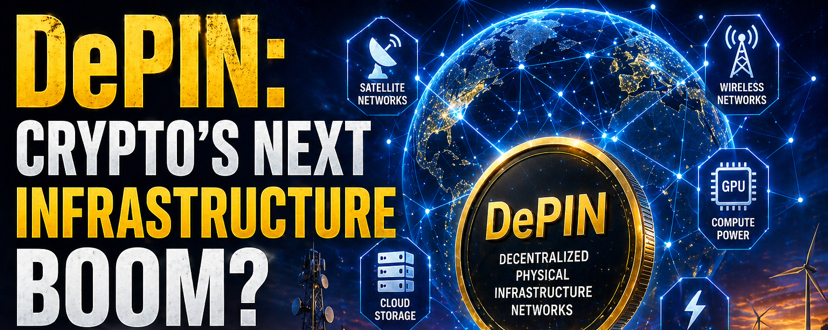
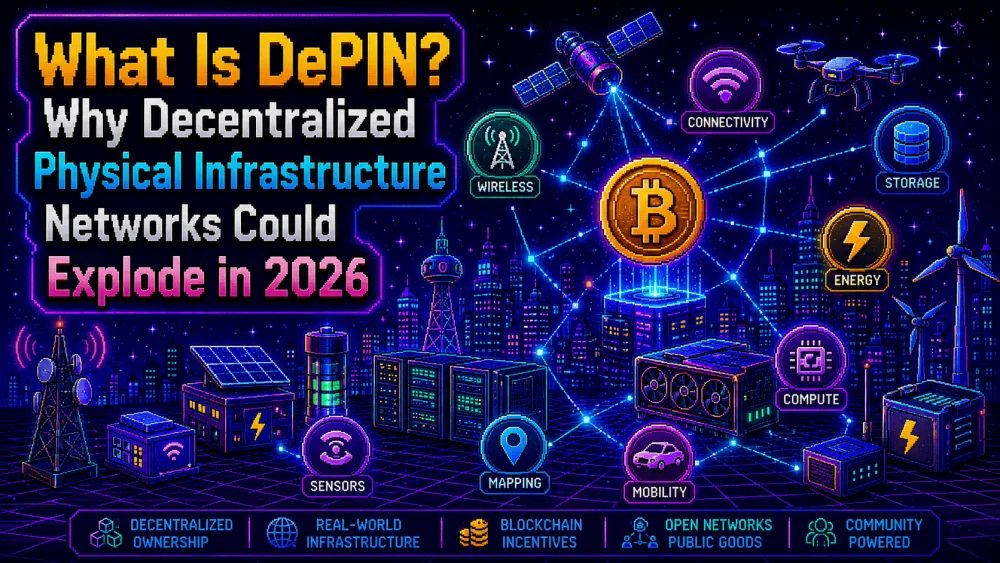
Participating in the decentralized physical infrastructure (DePIN) sector requires choosing between financial speculation and hardware utility. Investors can allocate capital by purchasing tokens on cryptocurrency exchanges or by deploying physical hardware to earn network rewards. Both paths carry distinct risk profiles and capital requirements.
Buying DePIN tokens on exchanges is the most accessible entry point. This method provides immediate exposure to network growth without managing physical assets. Tokens trade on various cryptocurrency exchanges, allowing for liquid position management.
Hardware participation involves connecting high-end GPUs, such as the NVIDIA RTX 4090, to DePIN networks. This approach transforms computing power into passive income. Operators typically earn between $3.00 and $7.00 per day depending on network demand and hardware efficiency.
Before committing capital, assess the token utility and network activity. Strong DePIN projects align token incentives with actual compute supply. Verify that the network has sufficient buyer demand for the rendered AI tasks.
The economics of GPU DePIN depend on the spread between hardware costs and daily earnings. A high-end GPU represents a significant upfront investment, making the break-even timeline a critical metric. Token prices fluctuate independently of hardware performance, so investors must monitor both the crypto market and network utilization rates.
| Strategy | Upfront Cost | Risk Level | Liquidity |
|---|---|---|---|
| Token Purchase | Low | High | High |
| Hardware Deployment | High | Medium | Low |
Technical analysis of DePIN tokens often mirrors broader crypto market trends. Use provider-backed charts to track price action against major indices. Correlation with Bitcoin or Ethereum can influence short-term volatility, regardless of network fundamentals.
Frequently Asked Questions About GPU DePIN
How to invest in DePIN?
Investing in Decentralized Physical Infrastructure Networks primarily involves acquiring project tokens through cryptocurrency exchanges. These platforms facilitate the trading of digital assets, allowing investors to gain exposure to the underlying network infrastructure without necessarily operating hardware themselves. This method provides liquidity and direct market participation, though it carries standard crypto volatility risks.
What is DePIN mining?
DePIN mining refers to the process of contributing specialized hardware—such as GPUs or dedicated ASICs—to a decentralized network. These devices validate transactions or process computational tasks, earning token rewards in return. Unlike traditional proof-of-work mining, DePIN mining often focuses on providing real-world utility, such as rendering or data storage, making the hardware functional for both the network and the operator.
How does GPU DePIN differ from traditional mining?
Traditional mining typically relies on energy-intensive proof-of-work consensus mechanisms to secure a blockchain. GPU DePIN, however, leverages idle computing power for practical applications like AI inference or 3D rendering. This shift transforms hardware from a purely speculative asset into a productive tool that generates value through service provision rather than just block validation.
No comments yet. Be the first to share your thoughts!