
Get DePIN GPU Ready
Before listing your hardware, verify that your setup matches the technical baseline of decentralized compute networks. DePIN platforms differ from traditional cloud providers; they rely on standard open-source toolchains like Docker and SSH rather than proprietary hypervisors. This means your GPU must be accessible via command line, and your system needs to handle containerized workloads efficiently.
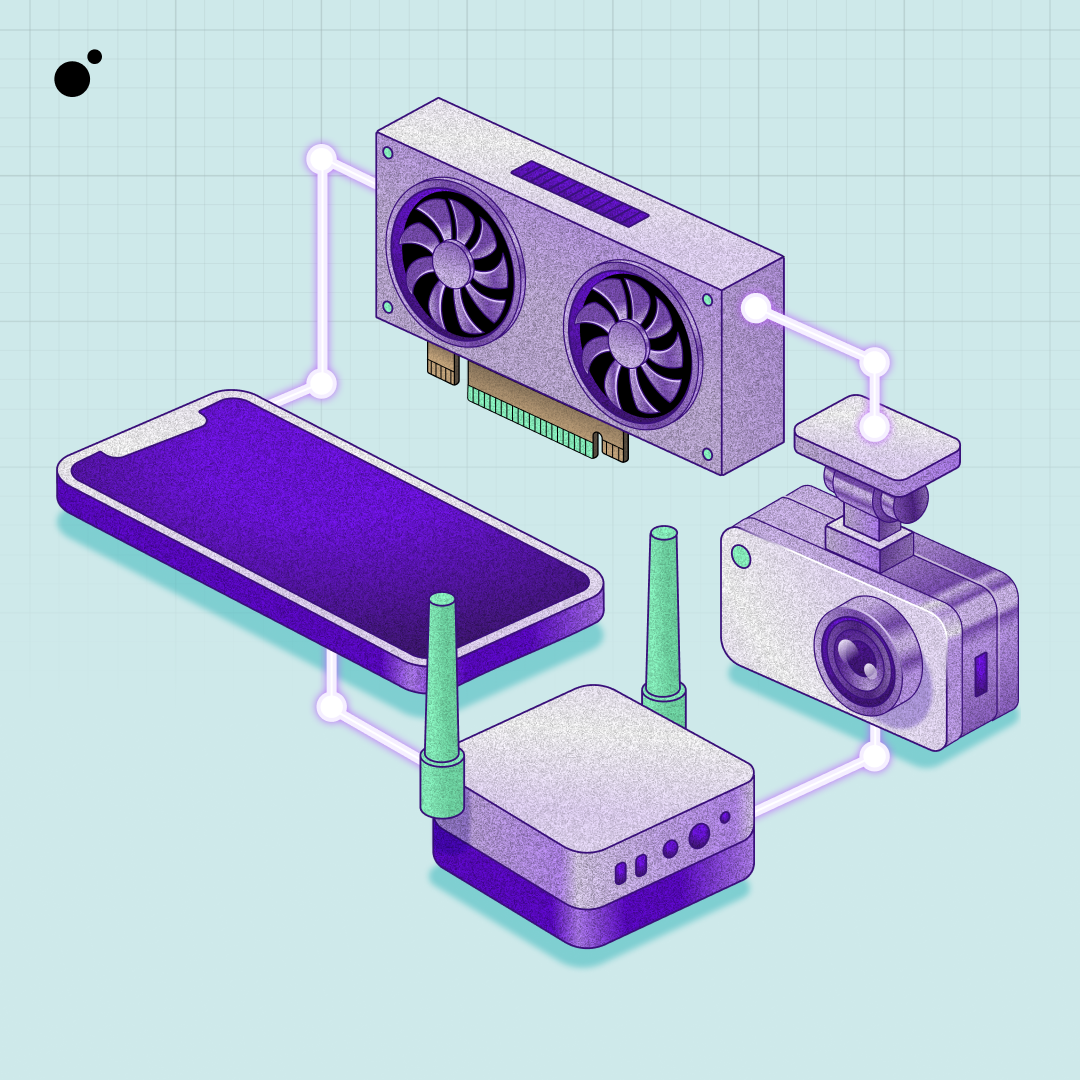
Start by checking your GPU compatibility. Most DePIN networks support NVIDIA cards with CUDA cores, particularly the RTX 3090, 4090, and enterprise-grade A100 or H100 units. Ensure you have at least 24GB of VRAM for most AI inference tasks, though some networks accept lower-end cards for smaller models. AMD ROCm support is growing but remains limited on major platforms like io.net or Render Network.
Next, audit your network infrastructure. Stable, low-latency internet is non-negotiable. You need a symmetric connection—upload speed matters more than download speed when serving model weights. Aim for at least 100 Mbps symmetric, with a hardwired Ethernet connection. Wi-Fi introduces packet loss and latency spikes that can cause job failures and penalty deductions.
Finally, prepare your operating system. Linux distributions like Ubuntu 22.04 or 24.04 LTS are the standard for DePIN nodes because they offer better performance and lower overhead than Windows. Install the latest NVIDIA drivers and Docker Engine before installing the client software. This reduces debugging time and ensures your node stays online during long-running compute jobs.
Work through the steps
DePIN GPU Rentals works best as a clear sequence: define the constraint, compare the realistic options, test the tradeoff, and choose the path with the fewest hidden costs. That order keeps the advice usable instead of decorative. After each step, pause long enough to check whether the recommendation still fits the reader's actual situation. If it depends on perfect timing, unusual access, or a best-case budget, include a simpler fallback.

Fix common mistakes
DePIN GPU Rentals troubleshooting should start with a clear boundary: what is actually broken, and what still works normally. Check the display, network connection, paired devices, app access, and recent updates before assuming the whole system needs a reset. A small connection failure can make the main screen feel unreliable even when the core system is fine. Work from low-risk checks to deeper resets. Confirm power state, safe parking, account access, and signal first. Then restart the interface, wait for it to reload completely, and test the original symptom. Avoid changing multiple settings at once because that makes it harder to know which step actually fixed the problem. If the issue affects safety information, repeats after every restart, or appears with warning messages, treat the reset as a temporary diagnostic step rather than the final fix. Document the symptom and move to official support instead of stacking more DIY attempts.
The simplest way to use this section is to keep the setup small, verify each change, and record the stable configuration before adding optional accessories.
No comments yet. Be the first to share your thoughts!