
Monetizing Idle GPUs on DePIN Marketplaces for AI Training Rewards
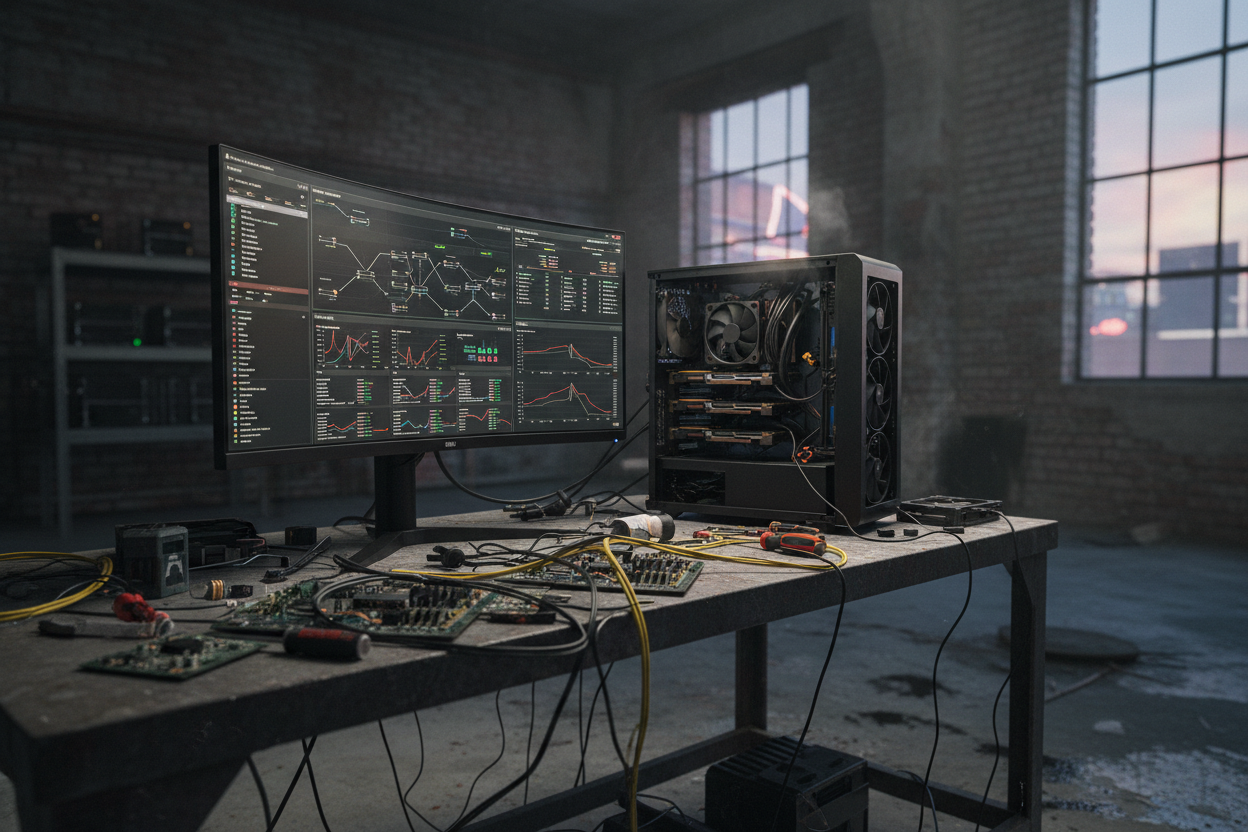
Idle GPUs sitting dormant in homes, offices, and data centers worldwide now hold the key to steady passive income amid exploding AI training demands. DePIN marketplaces like gpumarketdepin. com aggregate this fragmented supply into scalable networks, matching providers with developers needing cost-effective compute for machine learning models. Providers earn tokens or stablecoins based on uptime and performance, bypassing centralized cloud markups that erode margins.

Platforms such as io. net and Aethir exemplify this shift, drawing from over a million underutilized GPUs to fuel AI inference and training. Recent launches like Axlflops DePIN’s 10 million $AIGT reward pool and Tianrong’s $DEPIN token on Solana highlight accelerating momentum. GPU owners benefit from idle GPU monetization DePIN models that prioritize high-utilization AI workloads, often yielding 2-5x returns over traditional mining in volatile crypto markets.
DePIN networks reclaim idle processing power, slashing AI inference costs by 50-80% while rewarding contributors proportionally to hardware specs and availability.
Evaluating DePIN Platforms for Sustainable GPU Rewards
Fundamental analysis reveals DePIN’s edge over hype-driven alternatives: token utility ties directly to network throughput, fostering long-term viability. io. net’s aggregation of global GPUs for low-latency clusters stands out, with suppliers earning USDC for verifiable compute hours. Aethir’s edge nodes, via turnkey DEPIN farms, offer tiered $ATH rewards without upfront staking in early phases. Render Network complements with $RENDER for graphics-intensive AI tasks, while emerging players like Nosana on Solana lower barriers via Docker-based incentives.
This ecosystem demands rigorous vetting of tokenomics. Networks with governance staking, like io. net’s $IO pledges, amplify earnings through job prioritization. Yet, sustainability hinges on real demand; speculative pools risk dilution. Providers should target platforms with proven developer adoption, where DePIN GPU rewards earning correlates to TVL growth and uptime incentives.
7 Proven Strategies for Idle GPU Monetization on DePIN
7 Proven DePIN GPU Strategies
-
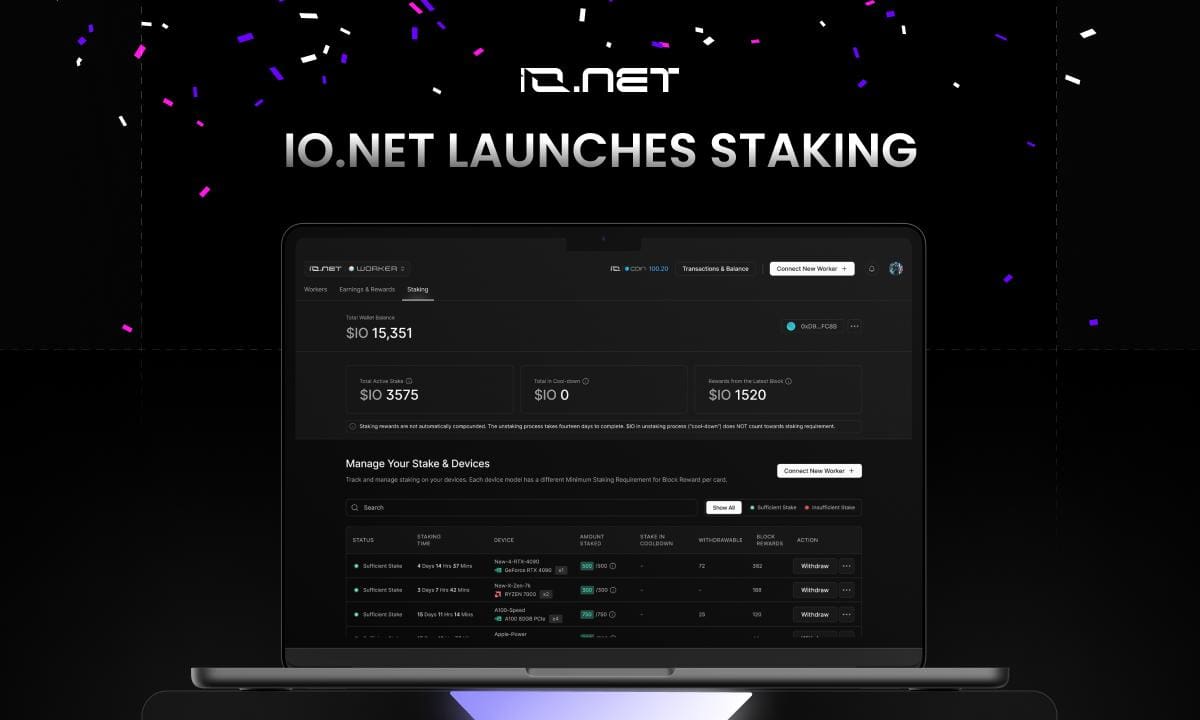
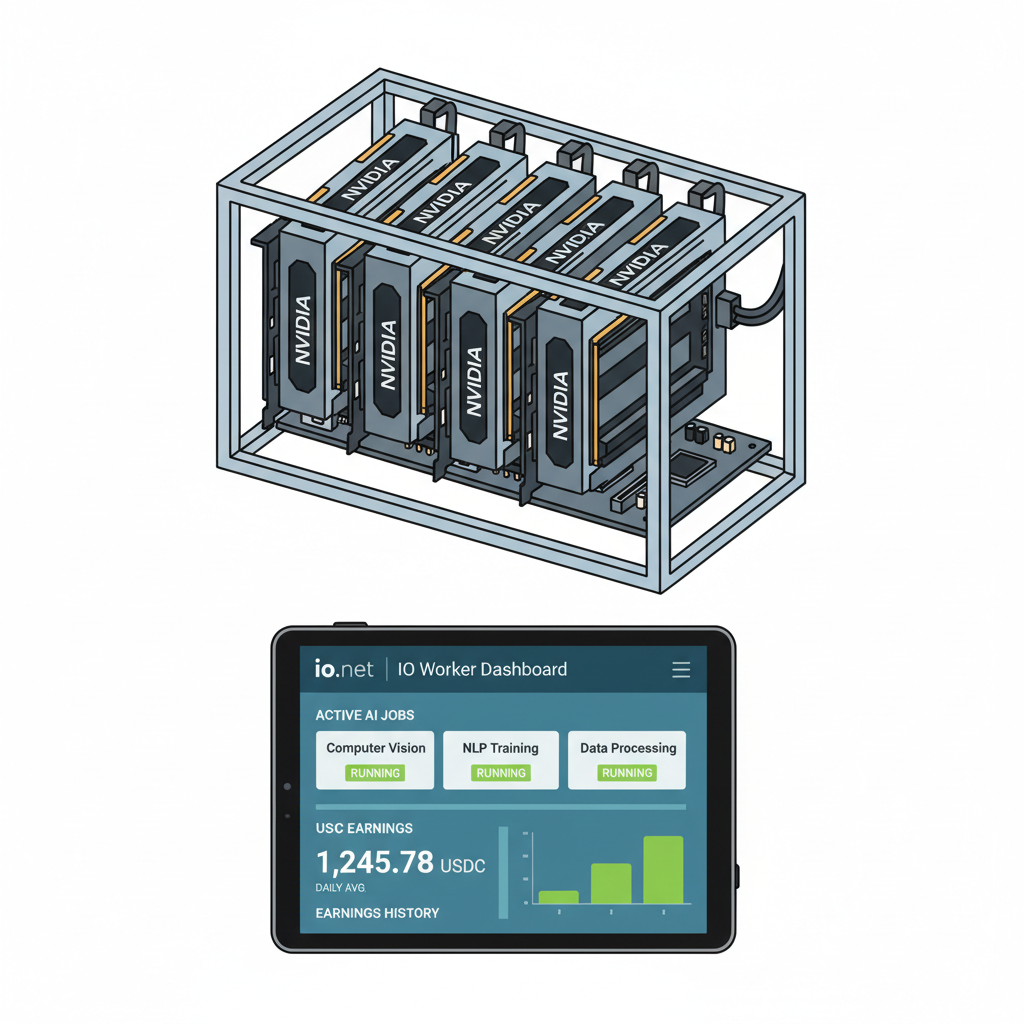
Join io.net as a GPU Supplier: Install IO Worker software to rent idle GPUs for AI training and ML jobs, earning stable USDC rewards based on compute hours supplied, leveraging io.net’s decentralized GPU clusters for high-demand AI tasks.
-
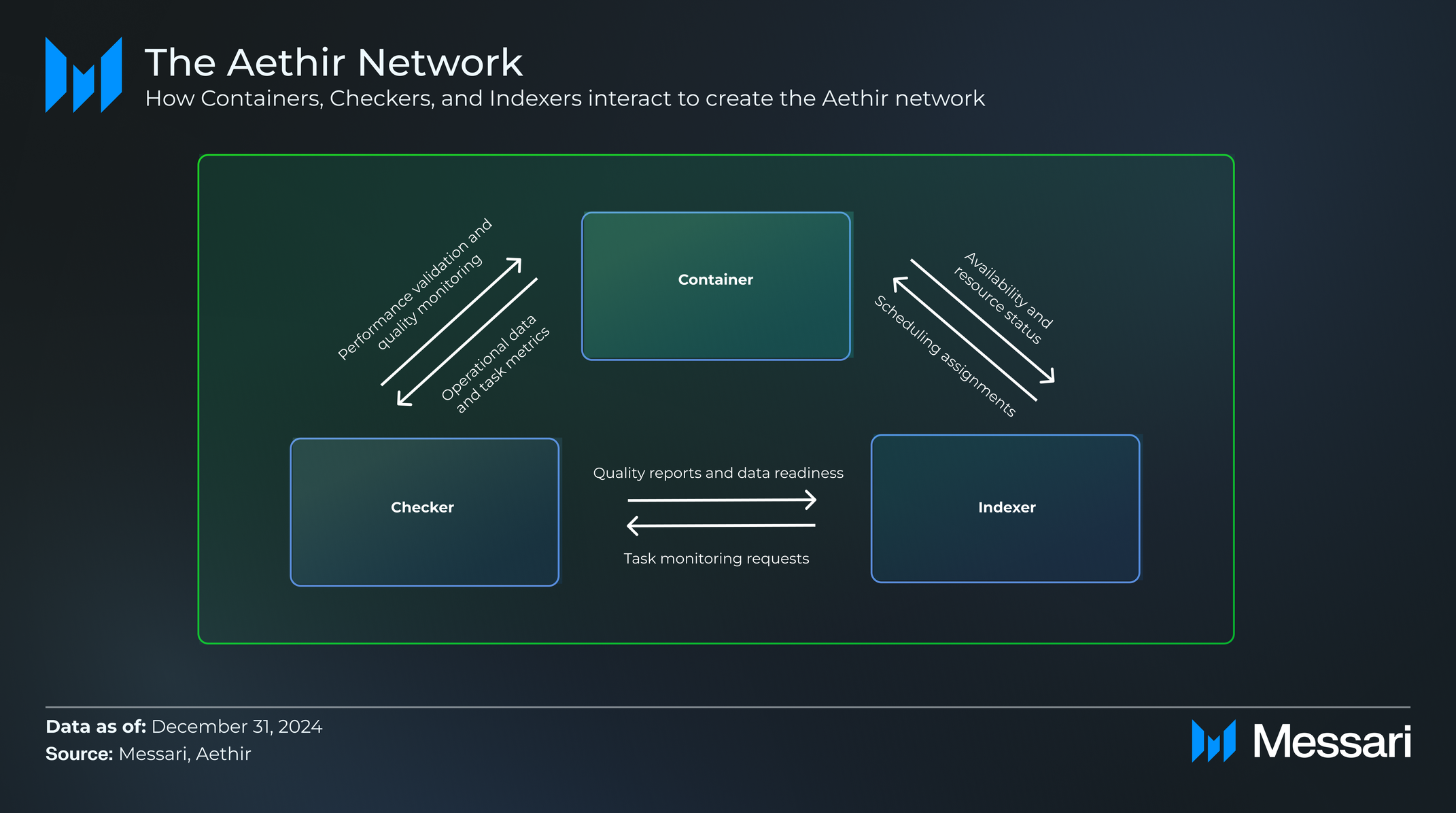
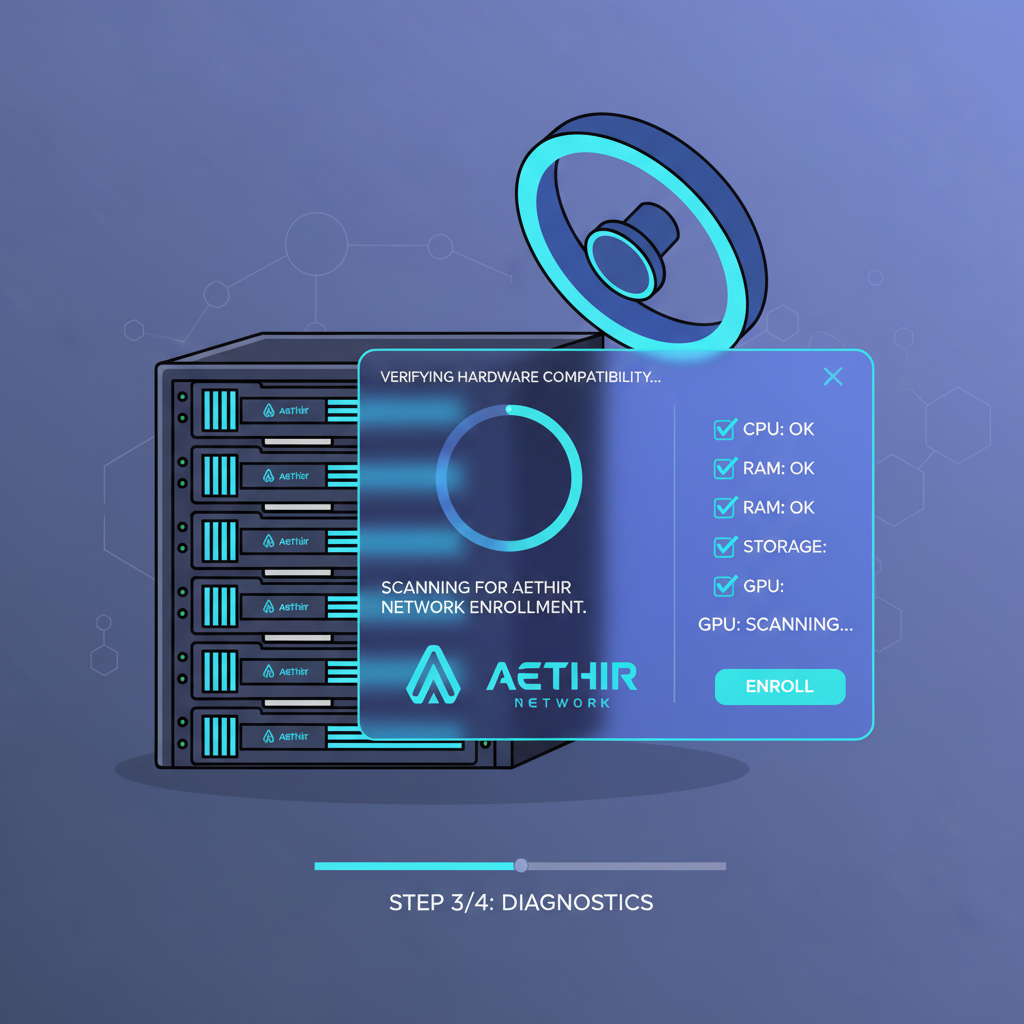
Enroll in Aethir Network: Pass the hardware checker and provide GPUs for decentralized AI inference and training, earning $ATH tokens with high utilization rates via Aethir Edge Nodes and tiered staking rewards.
-

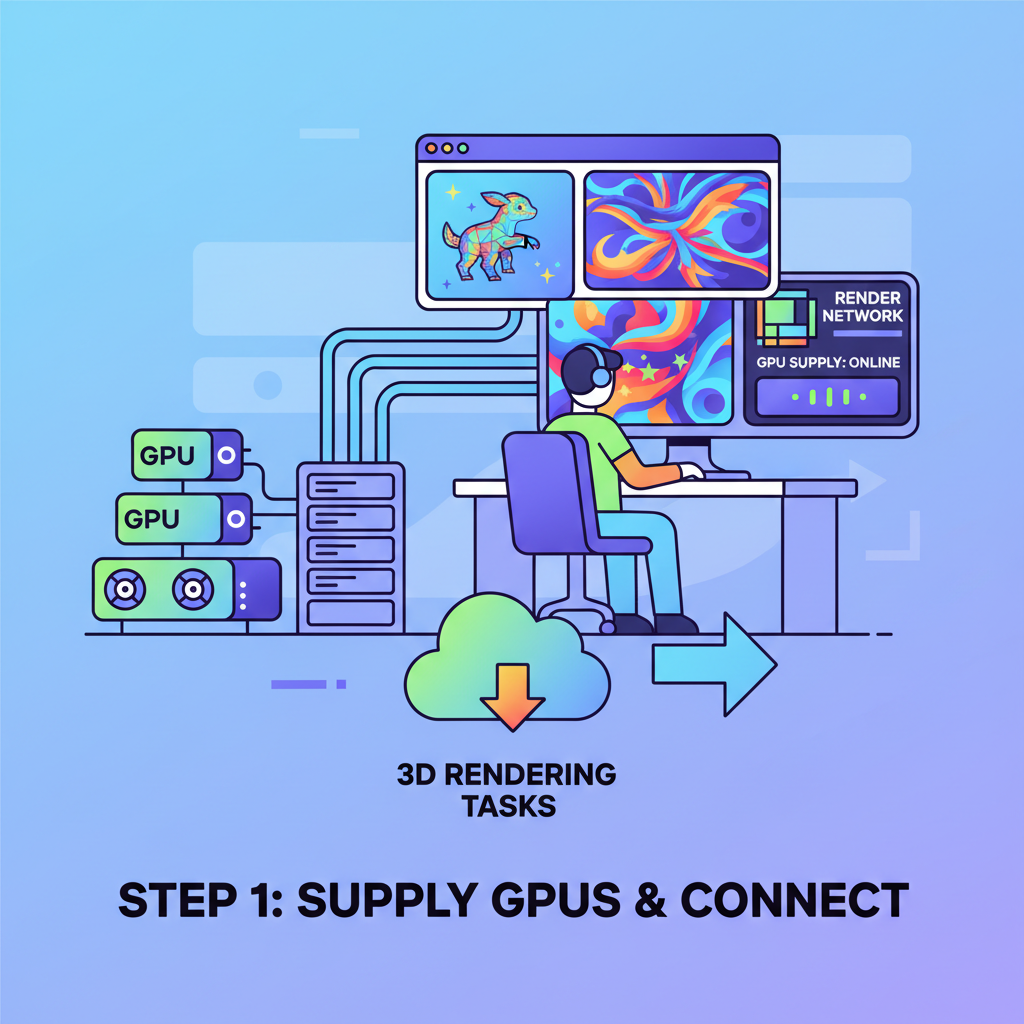
Participate in Render Network: Supply GPU power for AI-supported rendering and compute tasks, receiving $RENDER tokens amid growing demand for decentralized graphics in peer-to-peer marketplaces.
-
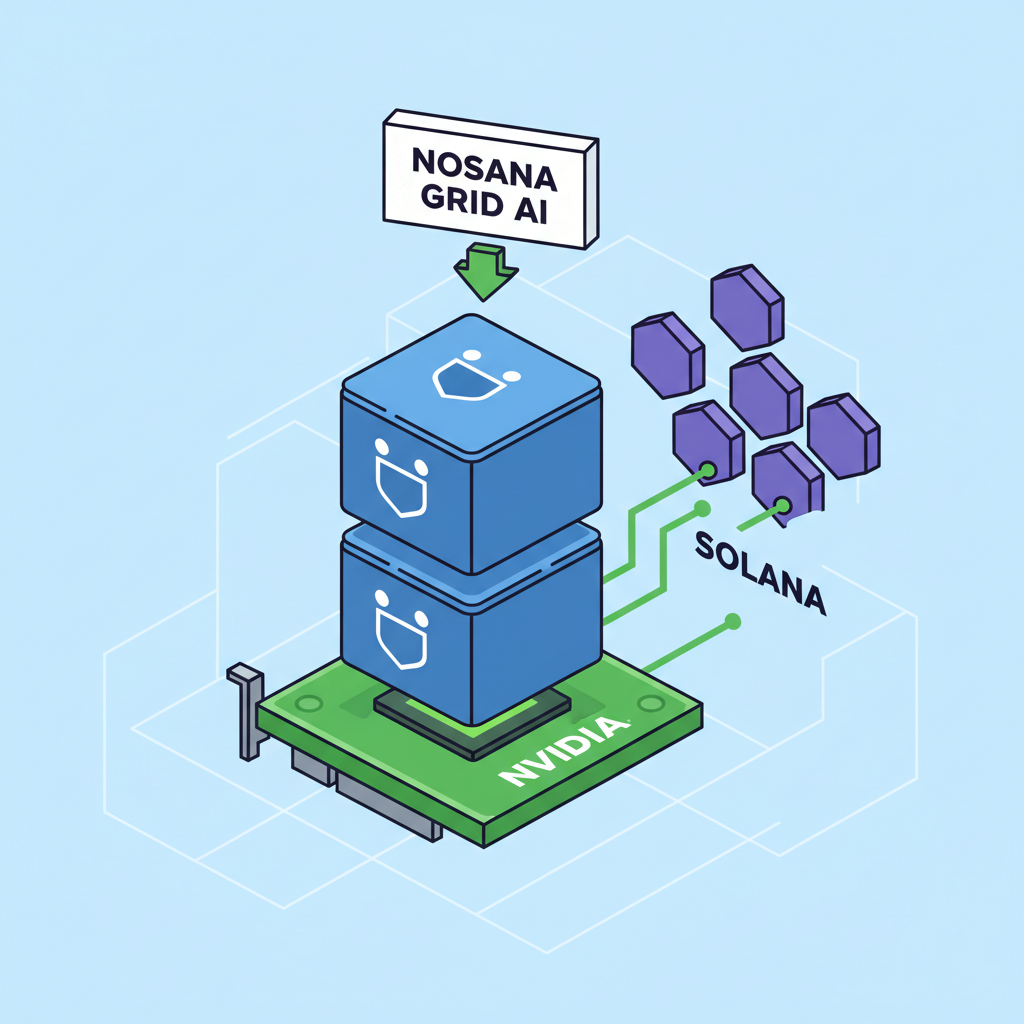
Host on Nosana Grid: Offer NVIDIA GPUs via Docker containers for on-chain AI/ML workloads on Solana, rewarded in $NOS with low entry barriers for efficient compute provision.
-
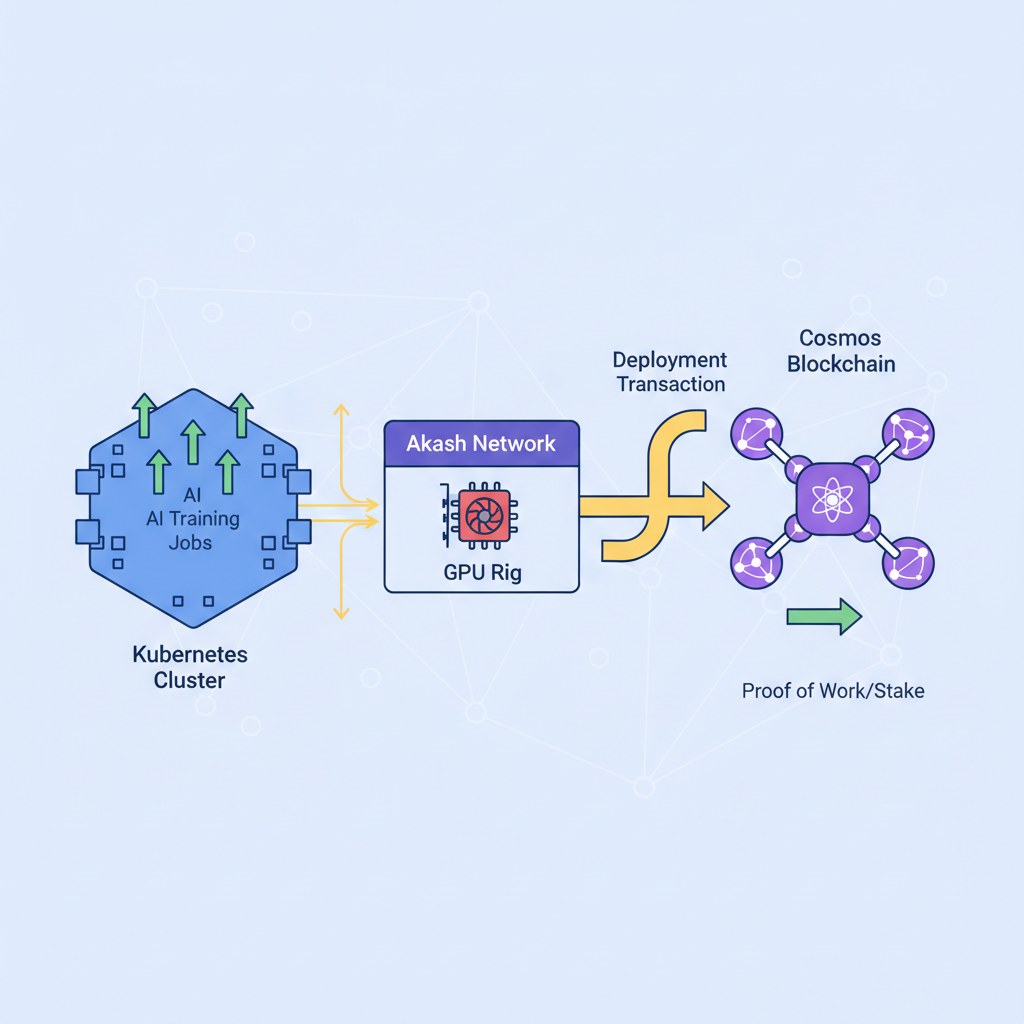
Deploy on Akash Network: Bid on GPU compute jobs for AI model training using Kubernetes, earning $AKT in this Cosmos-based DePIN marketplace with dynamic pricing for workloads.
-
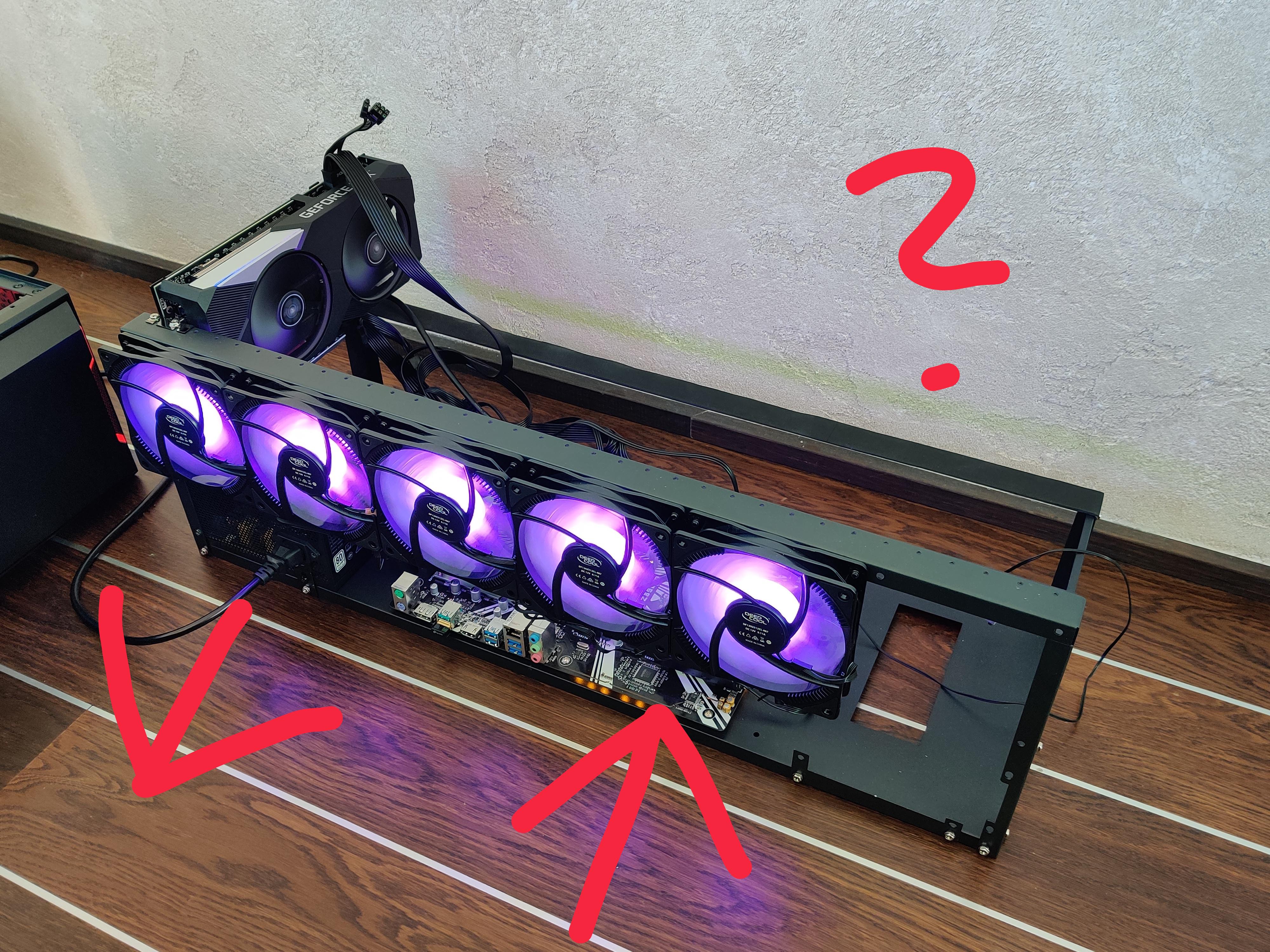
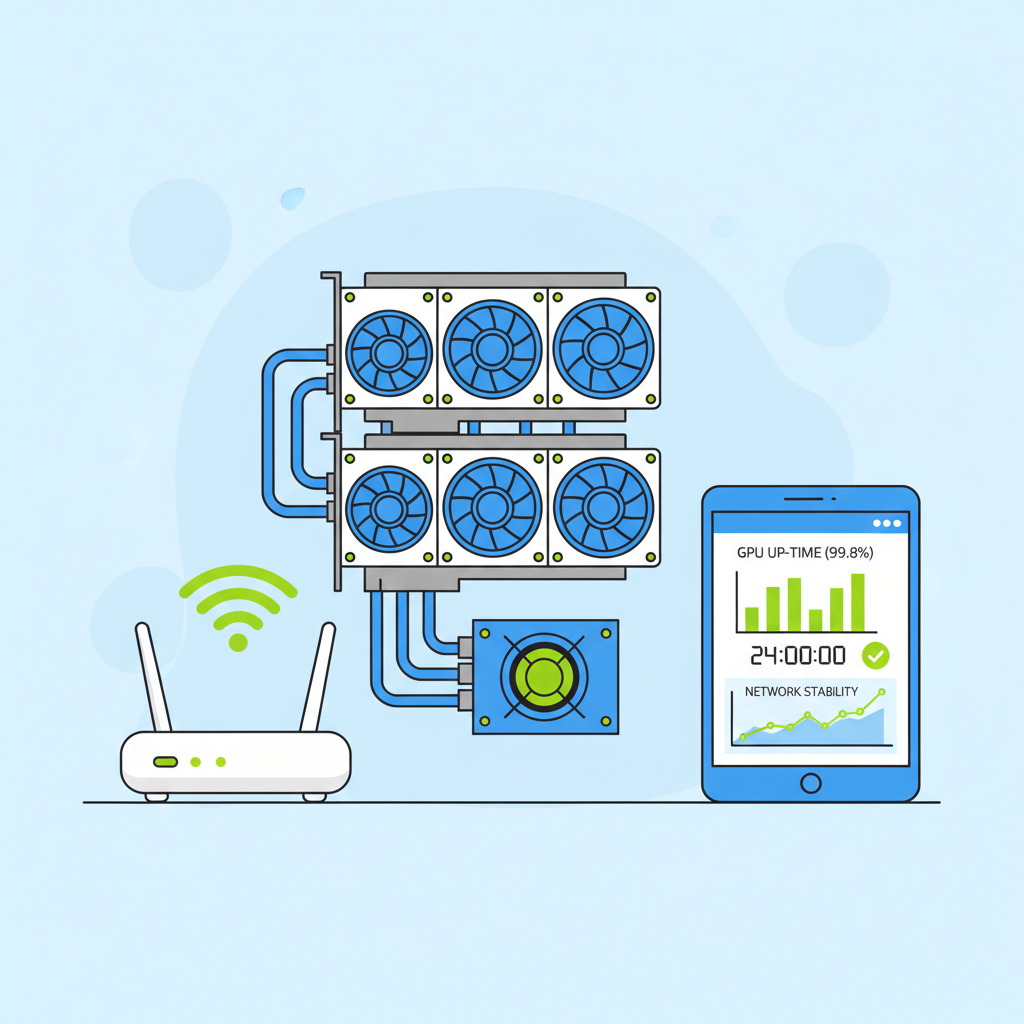
Optimize Hardware and Uptime: Maintain 99%+ availability, stable 1Gbps+ internet, and efficient cooling to boost job allocation and earnings across platforms like io.net and Aethir.
-
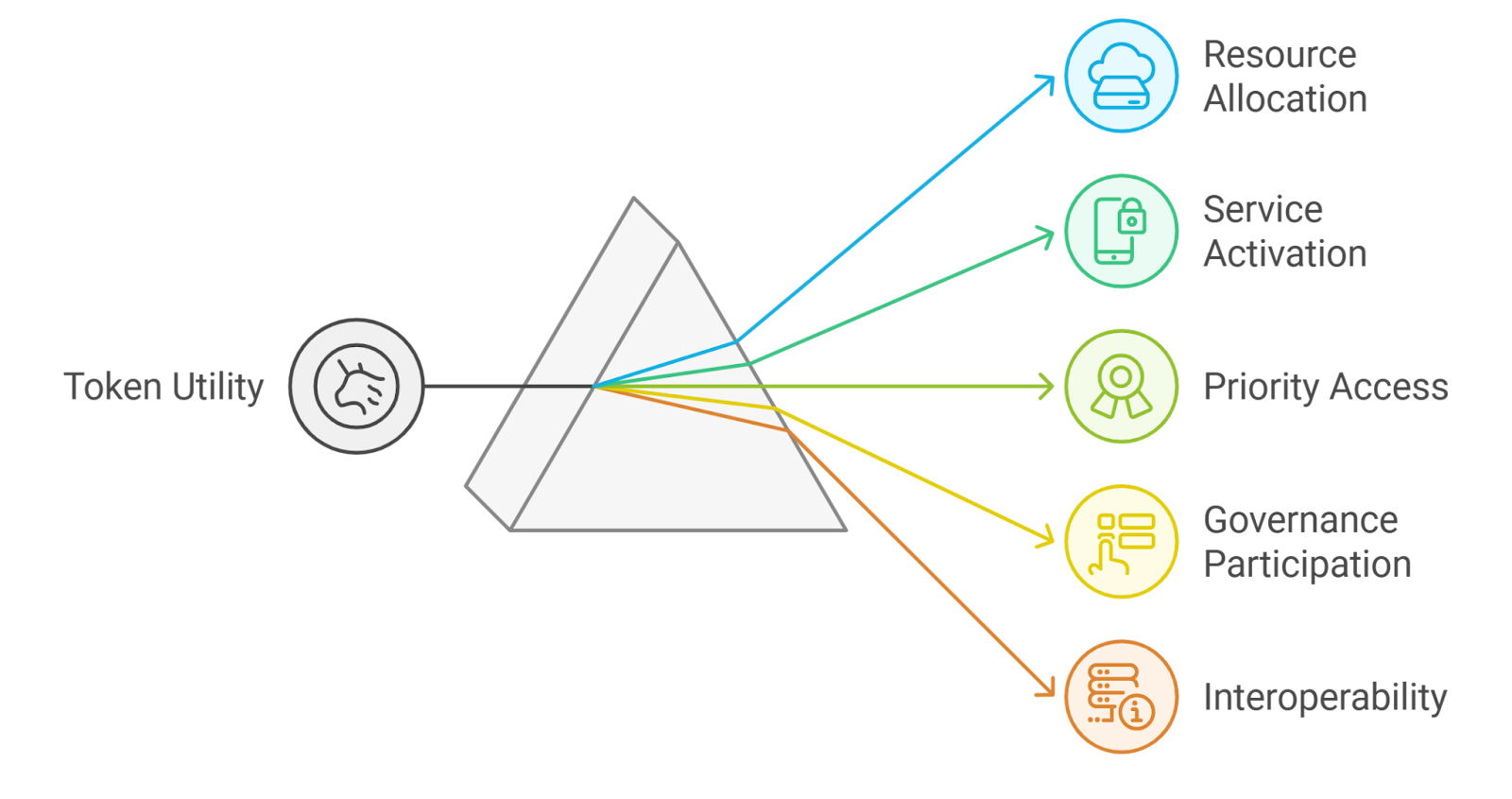
Stake Tokens for Boosted Rewards: Pledge native tokens like $IO or $ATH to access premium AI jobs, governance voting, and multiplier bonuses up to 2x earnings on DePIN networks.
Strategy 1: Join io. net as a GPU Supplier
io. net leads in decentralized GPU marketplace providers by simplifying entry: download IO Worker, pass hardware verification, and supply idle capacity for AI/ML jobs. Rewards accrue in stable USDC per compute hour, insulated from token volatility. Analytics show high-demand clusters achieving 80% and utilization, outpacing gaming rigs repurposed for trading bots. For a mid-tier NVIDIA RTX 4090, expect $0.50-$1.20 hourly yields during peak AI training seasons, scaling with multi-GPU setups.
Tokenomics bolster appeal: $IO staking unlocks premium jobs and governance, where suppliers vote on cluster expansions. Compared to centralized Vast. ai, io. net’s Solana integration ensures sub-second settlements, minimizing opportunity costs.
Strategy 2: Enroll in Aethir Network
Aethir’s decentralized cloud excels for inference-heavy workloads. Post-hardware checker approval, GPUs handle AI, rendering, and gaming tasks, earning $ATH tokens at rates tied to staking tiers. DEPIN Farms’ preconfigured nodes streamline deployment, ideal for non-technical owners seeking share idle GPUs AI compute income. Recent data indicates top earners netting 15-25% annualized ROI on hardware costs, amplified by community programs.
Risks remain measured: network congestion caps rewards during surges, underscoring the need for 1Gbps and internet. Yet, Aethir’s focus on edge computing positions it for enduring passive income GPU DePIN networks growth as AI democratizes.
Strategy 3: Participate in Render Network
Render Network bridges AI and 3D rendering, rewarding GPU suppliers with $RENDER for compute-intensive tasks. Amid rising demand for decentralized graphics, node operators bid on jobs via peer-to-peer matching. Earnings scale with VRAM and OctaneBench scores, often exceeding $2 hourly for high-end cards during model fine-tuning rushes.
Its maturity shines in utility: $RENDER burns on usage, supporting price floors. Providers integrate seamlessly with gpumarketdepin. com tools for portfolio tracking across networks.
Strategy 4: Host on Nosana Grid
Nosana Grid on Solana streamlines AI/ML workloads through Docker containers, making it accessible for NVIDIA GPU owners without deep DevOps knowledge. Suppliers publish jobs via the on-chain marketplace, earning $NOS tokens for verified executions. This setup favors decentralized GPU marketplace providers targeting precision tasks like model fine-tuning, where low-latency Solana settlements ensure prompt payouts. Real-world benchmarks show RTX 30-series cards netting $0.40-$0.90 per hour, with grid efficiency rising as developer adoption swells.
Nosana’s permissionless model sidesteps staking gates initially, though pledging $NOS elevates queue priority. Its focus on reproducible AI pipelines appeals to researchers, fostering steady demand over sporadic bursts seen in rendering networks.
7 Steps to Monetize Idle GPUs on DePIN Marketplaces for AI Rewards
Strategy 5: Deploy on Akash Network
Akash Network, built on Cosmos, operates as a decentralized cloud auction house for GPU compute. Providers deploy Kubernetes-compatible setups to bid on AI training deployments, securing $AKT rewards based on successful bids and uptime. This competitive dynamic rewards optimized rigs, with high-score GPUs capturing premium jobs like large-scale inference. Earnings vary by market depth, but established operators report 10-20% hardware ROI annually, bolstered by Akash’s interoperability with Cosmos ecosystems.
Strategic bidding demands monitoring marketplace dashboards, yet the platform’s transparency, via on-chain audits, builds trust. For multi-node operators, Akash scales efficiently, turning idle capacity into a diversified revenue stream amid DePIN’s fragmentation.
Strategy 6: Optimize Hardware and Uptime
Across all platforms, earnings hinge on reliability: aim for 99% and uptime, stable 1Gbps and internet, and robust cooling to sustain peak performance. Proactive maintenance, like firmware updates and power redundancy, elevates job allocation scores, as networks prioritize proven suppliers. Tools from gpumarketdepin. com track metrics in real time, helping pinpoint bottlenecks. A well-tuned RTX 4090 rig can double yields through consistent availability, outstripping underoptimized peers by 50% in allocation rates.
Internet latency under 50ms unlocks low-latency clusters on io. net or Aethir, critical for AI training where delays forfeit bids. Pair this with multi-GPU orchestration software for seamless scaling, transforming sporadic income into predictable passive income GPU DePIN networks.
Strategy 7: Stake Tokens for Boosted Rewards
Staking native tokens like $IO, $ATH, or $NOS acts as a force multiplier, granting access to premium AI jobs, governance influence, and 1.5-2x earnings boosts. On io. net, $IO pledges prioritize high-value clusters; Aethir tiers rewards by stake size. This aligns incentives, as stakers fund network growth while capturing outsized shares of demand. However, weigh opportunity costs, locked tokens demand conviction in long-term utility over short-term liquidity.
Opinion: Staking separates casual providers from serious operators, filtering for committed supply that stabilizes networks. Combined with hardware tweaks, it yields compounded returns, especially as AI workloads proliferate.
Layering these strategies, starting with io. net or Aethir for quick wins, expanding to Nosana and Akash for diversification, maximizes idle GPU monetization DePIN potential. Emerging contexts like Axlflops’ reward pools and Tianrong’s inference marketplace signal broader opportunities, yet fundamentals prevail: select platforms with verifiable throughput and developer lock-in. GPU owners who master uptime and staking position themselves at DePIN’s vanguard, harvesting sustainable rewards from AI’s insatiable compute hunger.