
DePIN GPU Marketplaces vs AWS: 90% Cost Savings for AI Training on Solana 2026

In the high-stakes arena of AI training, where every dollar counts toward model development, decentralized GPU marketplaces on Solana are delivering a seismic shift. Platforms like io. net promise up to 90% cost savings compared to AWS for H100 and A100 instances, with H100s starting at just $2.19/hr. This isn’t hype; it’s rooted in Solana’s blistering transaction speeds and low fees, enabling real-time GPU provisioning in seconds rather than the weeks AWS demands. As Binance-Peg SOL trades at $86.35 with a 24-hour gain of and 0.17%, the DePIN GPU marketplace Solana ecosystem signals maturity for decentralized GPU compute costs.

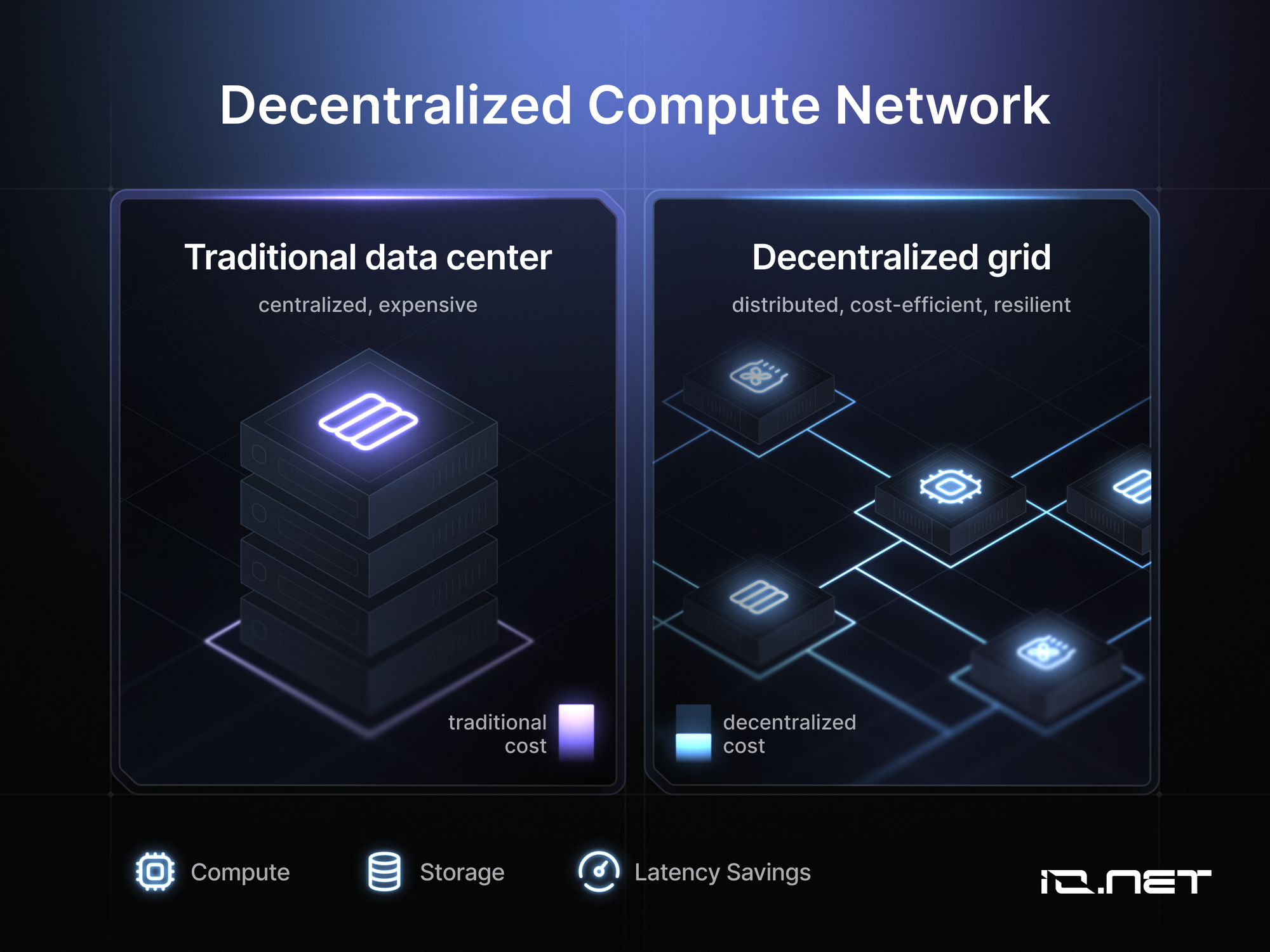
Solana’s architecture turns idle GPUs worldwide into a liquid compute pool, slashing barriers for startups and indie developers chasing cheap GPU rental AI training. Traditional hyperscalers lock you into rigid contracts and premium pricing, but DePIN flips the script: providers earn from underutilized hardware, consumers scale elastically. io. net, deeply integrated with Solana, aggregates these resources for seamless clusters, boasting over 95% stability and one-click deploys. I’ve managed portfolios blending Render’s rendering prowess with io. net’s ML scalability, and the numbers don’t lie – this hybrid model builds resilient exposure amid GPU shortages.
Solana DePIN GPU Sharing Reshapes AI Infrastructure
Solana’s proof-of-history consensus isn’t just fast; it’s purpose-built for DePIN’s micro-transactions. Where Ethereum-based Render excels in VFX and 3D rendering with cost-effective GPU access, Solana-native projects like io. net target AI workloads head-on. Recent analyses highlight 50-80% reductions versus AWS or GCP, but io. net pushes to 90% for high-end instances. Provisioning happens near-instantly, dodging the bureaucratic slog of centralized procurement. This Solana DePIN GPU sharing model democratizes power, letting AI agents and inference tasks thrive without vendor lock-in.

Consider the developer grind: AWS quotes arrive slow, setups drag, and bills balloon. DePIN networks match ease-of-use while undercutting prices – Akash offers 60-70% savings, but io. net’s Solana edge amplifies it. Global idle GPUs, from data centers to desktops, form resilient clusters resistant to single points of failure. As AI booms in 2026, this liquidity addresses shortages, fueling innovation from edge AI to massive training runs. My take? Centralized clouds served their era; DePIN’s token incentives create self-sustaining supply.
io. net vs AWS Pricing: A Head-to-Head on H100 Costs
Dive into specifics: an AWS H100 can exceed $20/hr during peaks, yet io. net lists them at $2.19/hr – a stark io. net vs AWS pricing win. Scale-to-zero means no idle waste, and Solana’s sub-second finality handles billing precisely. For a 100-GPU cluster training a large language model, savings compound to millions annually. Render complements this for rendering-heavy pipelines, but io. net’s focus on ML scalability shines for iterative AI experiments.
Stability metrics impress too: over 95% uptime trumps sporadic cloud outages. Provision in seconds, not months – that’s the DePIN promise materializing. Projects like DEPINfer on Solana extend this to inference, aggregating underutilized resources via utility tokens. Portfolios I’ve advised diversify here, balancing io. net’s growth with Render’s proven utility. The result? DePIN GPU marketplace Solana isn’t fringe; it’s the efficient path forward.
Solana (SOL) Price Prediction 2027-2032
Driven by DePIN GPU Marketplaces Offering up to 90% Cost Savings vs. AWS for AI Training
| Year | Minimum Price | Average Price | Maximum Price | YoY Change % (Avg from Prev) |
|---|---|---|---|---|
| 2027 | $120 | $280 | $550 | +226% |
| 2028 | $200 | $450 | $900 | +61% |
| 2029 | $250 | $600 | $1,200 | +33% |
| 2030 | $350 | $850 | $1,700 | +42% |
| 2031 | $450 | $1,100 | $2,200 | +29% |
| 2032 | $600 | $1,500 | $3,000 | +36% |
Price Prediction Summary
Solana’s price is forecasted to experience substantial growth from 2027 to 2032, propelled by the surge in DePIN projects like io.net and Render Network on Solana. These platforms provide 50-90% cheaper GPU compute than AWS/GCP, addressing AI training demands and GPU shortages. Average prices are projected to climb from $280 in 2027 to $1,500 by 2032 (17x from 2026’s $86 baseline), with minimums reflecting bearish corrections and maximums capturing bull market peaks amid adoption cycles.
Key Factors Affecting Solana Price
- Rapid DePIN adoption for decentralized AI/GPU compute, enabling 90% cost savings vs. hyperscalers like AWS
- Solana’s high TPS and low fees ideal for scalable GPU marketplaces and micro-transactions
- Growing AI infrastructure demand amid global GPU shortages, boosting SOL utility
- Favorable market cycles with bull runs expected in 2027-2028 and 2031-2032
- Regulatory tailwinds for blockchain infrastructure and potential ETF approvals
- Technological upgrades enhancing Solana’s reliability and ecosystem expansion
- Competition from Ethereum L2s and other L1s, but Solana leads in DePIN/AI narratives
Disclaimer: Cryptocurrency price predictions are speculative and based on current market analysis.
Actual prices may vary significantly due to market volatility, regulatory changes, and other factors.
Always do your own research before making investment decisions.
Elastic Scaling Without the Lock-In Trap
DePIN’s killer feature lies in flexibility. AWS demands commitments; DePIN offers spot-like markets with crypto collateral for trustless execution. io. net’s clusters auto-scale based on demand, paying providers in real-time IO tokens or SOL equivalents. This mirrors financial markets’ liquidity, where $86.35 SOL underpins transactions. Cost reductions of 70% on average GPUs, per top platforms, make experimentation viable for bootstrapped teams. Render’s Ethereum roots provide rendering benchmarks, but Solana’s throughput catapults DePIN into AI’s core infrastructure.
Real-world cases abound: developers report seamless migrations, with VFX studios slashing render times 50-75%. As AI agents surge, these networks promise no long-term contracts, just pure utility. My balanced view? While hyperscalers dominate enterprise, DePIN captures the agile edge, fostering a multipolar compute landscape. Check how Solana powers this at solanareport.com.
Developers switching to io. net report clusters firing up in under 60 seconds, a far cry from AWS’s approval cycles. This agility suits the iterative nature of AI training, where models evolve daily. With Solana’s $86.35 Binance-Peg SOL price reflecting steady demand, DePIN tokens like IO gain traction as collateral, ensuring providers stay incentivized. Portfolios blending these assets capture upside from compute liquidity, much like diversified crypto holdings weather volatility.
Real-World Wins: Case Studies in Cost Efficiency
Studios and labs are already voting with their compute. One VFX team ported workflows to Render for 3D tasks, cutting costs 70% while maintaining quality; AI startups on io. net train LLMs at $2.19/hr for H100s, freeing budgets for data curation. Solana’s low-latency settlements prevent disputes, fostering trust in this peer-to-peer arena. I’ve seen traditional finance firms dip toes here, hedging AWS exposure with DePIN allocations – the 90% savings aren’t theoretical when scaled across quarters.
io.net vs AWS H100 Pricing Comparison (2026)
| Provider | H100 Hourly Rate (USD) | Cluster Stability (%) | Provisioning Time | Cost Savings vs AWS (%) |
|---|---|---|---|---|
| AWS | $21.90 | 99.99% | Days to Weeks | N/A |
| io.net (Solana) | $2.19 | >95% | Seconds ⚡ | 90% |
These metrics underscore why decentralized GPU compute costs tilt toward DePIN. Hyperscalers excel in managed services, yet their opacity hides true expenses like data egress fees. DePIN’s transparent markets, powered by Solana, expose every utilization tick, empowering informed bids. As GPU shortages persist into 2026, platforms aggregating idle resources – desktops to enterprise racks – bridge supply gaps without new silicon fabs.
Developer Tools That Rival Centralized Ease
Matching hyperscaler UX demands polish, and io. net delivers: SDKs for PyTorch and TensorFlow integrate seamlessly, with dashboards rivaling AWS Console. One-click deploys hide blockchain complexity, while scale-to-zero curbs bills during idle phases. Render’s OctaneRender plugin sets a rendering standard, but io. net’s ML focus aligns with Solana’s high-throughput demands. For cheap GPU rental AI training, this combo yields workflows that feel centralized yet cost fractions.
Solana DePIN vs AWS: Key Wins
-
90% Cost Savings: io.net delivers H100 GPUs at ~$2.19/hr, up to 90% cheaper than AWS equivalents for AI training.
-
Instant Provisioning: Deploy clusters in seconds via io.net, vs weeks or months on AWS.
-
95% Stability: io.net achieves over 95% cluster uptime, rivaling hyperscalers without centralized risks.
-

No Long-Term Contracts: Scale elastically to zero on io.net and Render Network, avoiding AWS commitments.
-
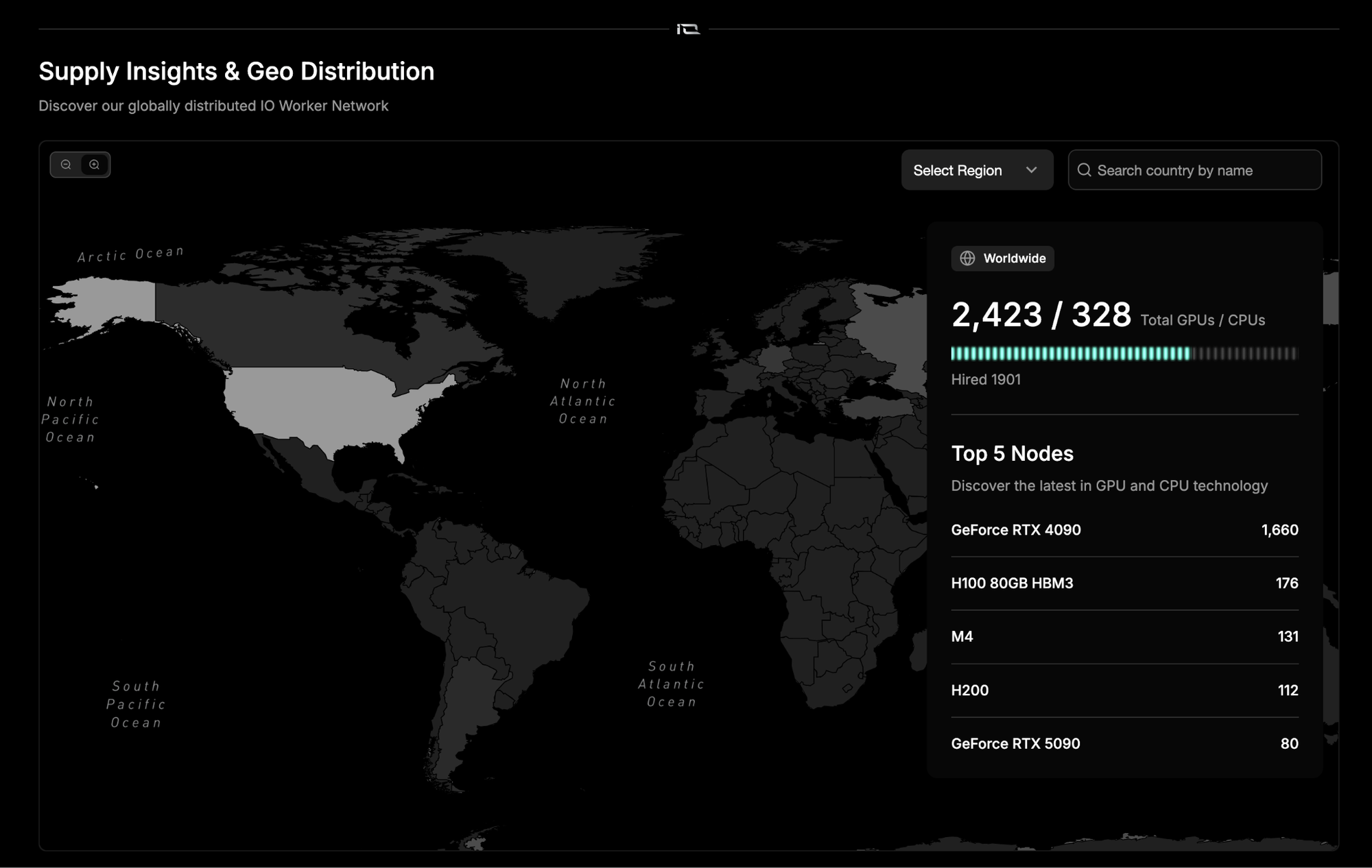
Global Idle GPU Pool: io.net aggregates worldwide underutilized GPUs on Solana for on-demand AI compute.
Opinion: DePIN isn’t about replacing AWS outright; it’s carving niches where agility trumps scale. Bootstrapped teams thrive here, iterating faster without capex burdens. Larger outfits layer DePIN for burst capacity, blending with private clusters. At gpumarketdepin. com, we connect this ecosystem, channeling providers and consumers into efficient matches – the ultimate DePIN GPU marketplace on Solana.
Navigating Risks and Building Resilience
No revolution lacks hurdles. DePIN faces node reliability variances and regulatory scrutiny over energy use, yet Solana’s validator set and slashing mechanisms enforce uptime. AWS offers SLAs; DePIN counters with redundancy across geographies. Cost volatility ties to crypto prices, but $86.35 SOL’s stability mitigates this, with fiat ramps smoothing entry. My hybrid portfolios allocate 20-30% to DePIN tokens, balancing yields from staking with compute utility.
Forward-looking, 2026 forecasts point to DePIN capturing 15-20% of AI compute spend, per industry reports. io. net’s Solana integration positions it centrally, with Render expanding cross-chain. Explore deeper dives like cryptoaiworld.com insights on these shifts. Providers monetize spare cycles; consumers unlock power. This isn’t disruption for disruption’s sake – it’s economics aligning incentives for abundant compute, propelling AI beyond today’s bottlenecks.