
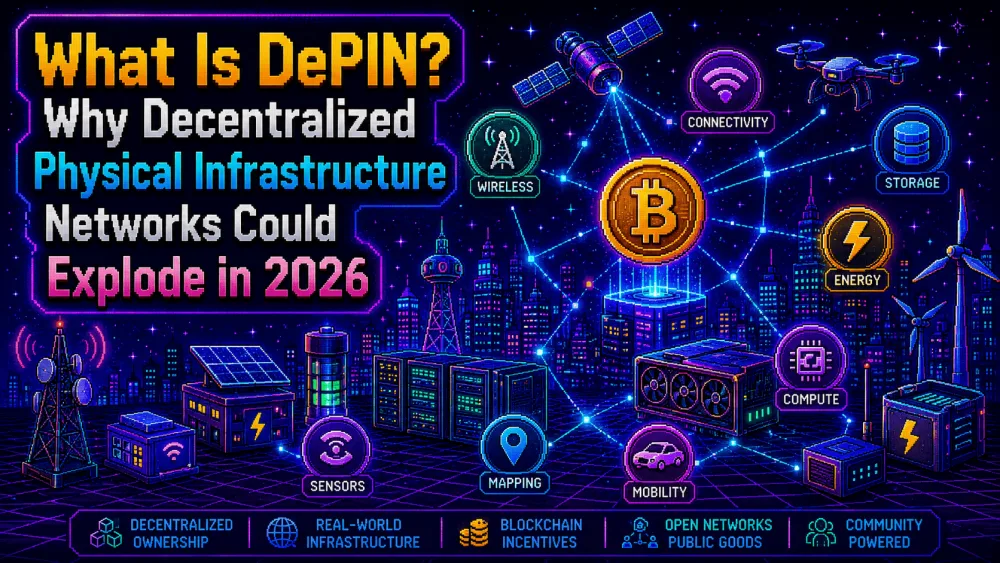
why gpu depin matters in 2026
The decentralized physical infrastructure network (DePIN) sector is shifting from experimental protocols to serious compute providers. By 2026, GPU DePIN networks have matured into viable alternatives to traditional cloud computing, specifically for artificial intelligence training and rendering workloads. These networks aggregate millions of GPUs sitting idle worldwide, creating a marketplace that operates outside the control of major tech monopolies.
The economic argument for this shift is straightforward. Decentralized GPU marketplaces can provide compute resources over four times cheaper than centralized giants like Google Cloud and Amazon Web Services (AWS). This cost advantage stems from the fragmentation of hardware ownership, allowing users to rent power from individual miners rather than paying premium rates for data center capacity.
For developers, this means access to scalable, high-performance hardware without the vendor lock-in associated with traditional cloud contracts. The infrastructure is no longer abstract; it consists of concrete, physical machines distributed globally. As the AI boom continues to strain centralized data centers, GPU DePIN provides a critical, decentralized layer of compute that is both more affordable and more resilient.
5 GPU DePIN Networks to Join in 2026
The GPU DePIN landscape is rapidly consolidating as infrastructure demands outpace supply in 2026. We evaluate five specific networks offering tangible hardware integration and verified compute capacity. This selection prioritizes established protocols with documented node performance over speculative ventures.
1. Render Network GPU rendering capabilities
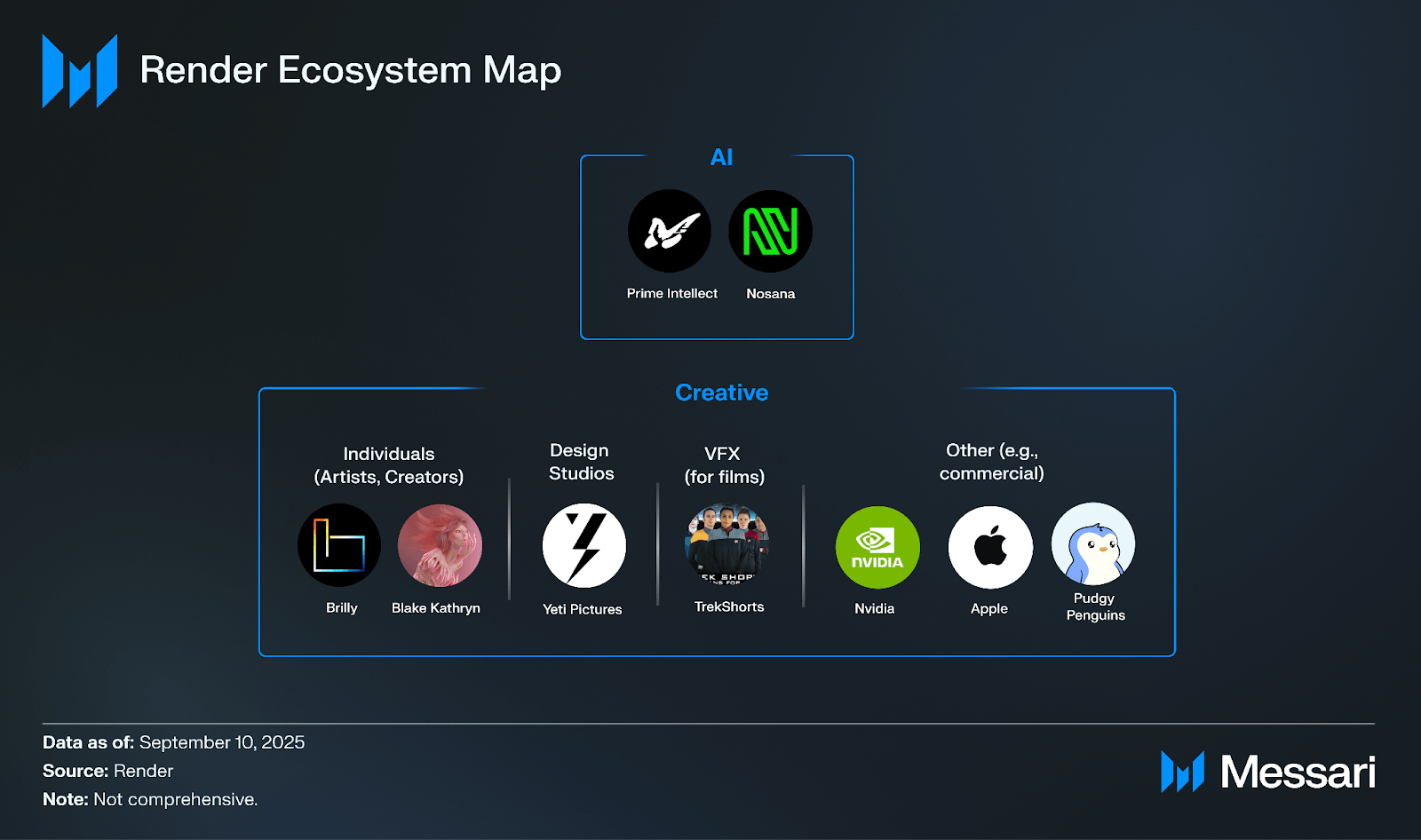
Render Network transforms idle GPU power into a distributed rendering farm, allowing users to monetize hardware for high-performance 3D tasks. It supports complex workloads like V-Ray and Octane, ensuring artists access scalable compute without capital expenditure. This DePIN model effectively bridges the gap between creative professionals and available cloud resources.
2. Akash Network decentralized compute marketplace
Akash Network operates as an open-source, decentralized marketplace for cloud compute, offering pricing significantly lower than traditional providers. Users can deploy any containerized workload, from AI training to web hosting, on a global network of verified providers. This flexibility makes it a robust choice for developers seeking cost-efficient and censorship-resistant infrastructure solutions.

3. Io.net GPU aggregation protocol
Io.net aggregates fragmented GPU resources into a unified pool, simplifying access for AI developers and researchers. By handling the complexity of hardware discovery and scheduling, it allows users to rent powerful GPUs for machine learning tasks with minimal friction. This protocol streamlines the DePIN experience, making high-end compute accessible to a broader audience.
- Unified GPU pool
- AI development access
- Streamlined hardware scheduling
4. Gensyn distributed deep learning network
Gensyn introduces a novel approach to decentralized deep learning by verifying computations through cryptographic proofs rather than trusting individual nodes. This ensures accuracy and security for large-scale model training without relying on centralized cloud providers. Its architecture addresses the critical need for trustless verification in distributed AI workloads, setting a new standard for reliability.

5. io.net GPU sharing infrastructure
io.net focuses on optimizing GPU utilization by connecting underused hardware with high-demand AI projects. It provides a seamless interface for renting GPUs, ensuring that computational resources are allocated efficiently across the network. This infrastructure supports the growing demand for machine learning capabilities by lowering barriers to entry for developers and startups.

Hardware Requirements for Nodes
Participating in a GPU DePIN network demands physical hardware that bypasses the virtualization layers found in traditional cloud computing. Bare metal servers provide the unmediated access to physical hardware necessary for these nodes. Without a hypervisor sitting between your node software and the GPU, you eliminate latency and overhead, ensuring the network receives the raw compute power it requires.
The choice of GPU is the most significant variable in your setup. High-stakes participation typically involves consumer-grade flagship cards like the NVIDIA GeForce RTX 4090 or enterprise-grade solutions such as the NVIDIA A100. These components offer the VRAM and throughput needed for rendering, AI inference, or complex data processing tasks common in DePIN protocols.
When selecting components, prioritize VRAM capacity and memory bandwidth over raw clock speed. Networks often reward nodes that can process large datasets efficiently. Below are popular hardware options often associated with high-performance DePIN participation.


As an Amazon Associate, we may earn from qualifying purchases.
Common Questions About GPU DePIN
Can I still mine crypto with a GPU?
Yes, but the landscape has shifted. Traditional Proof-of-Work cryptocurrencies like Bitcoin are now mined exclusively by ASICs, making GPU mining for them unprofitable. However, GPUs remain highly effective for mining altcoins that use memory-hard algorithms. To maximize returns, miners often join mining pools, which aggregate hash power to share rewards and reduce the volatility of individual earnings.
What does GPU mean in the context of crypto and DePIN?
In this space, GPU refers to the Graphics Processing Unit, a specialized processor originally designed for rendering graphics but now essential for parallel computing tasks. In Decentralized Physical Infrastructure Networks (DePIN), GPUs provide the computational power needed for machine learning, video rendering, and scientific simulations. Instead of mining blocks, GPU owners rent out this idle power to AI developers and researchers, creating a new utility-driven economy.
Is GPU DePIN better than traditional crypto mining?
GPU DePIN offers a more sustainable and flexible alternative to traditional mining. Rather than consuming energy solely to secure a blockchain ledger, these networks put hardware to work on real-world computing tasks like AI training. This shifts the value proposition from speculative mining rewards to utility-based payments, often providing more consistent income streams for hardware owners while supporting the broader AI infrastructure growth.
No comments yet. Be the first to share your thoughts!