
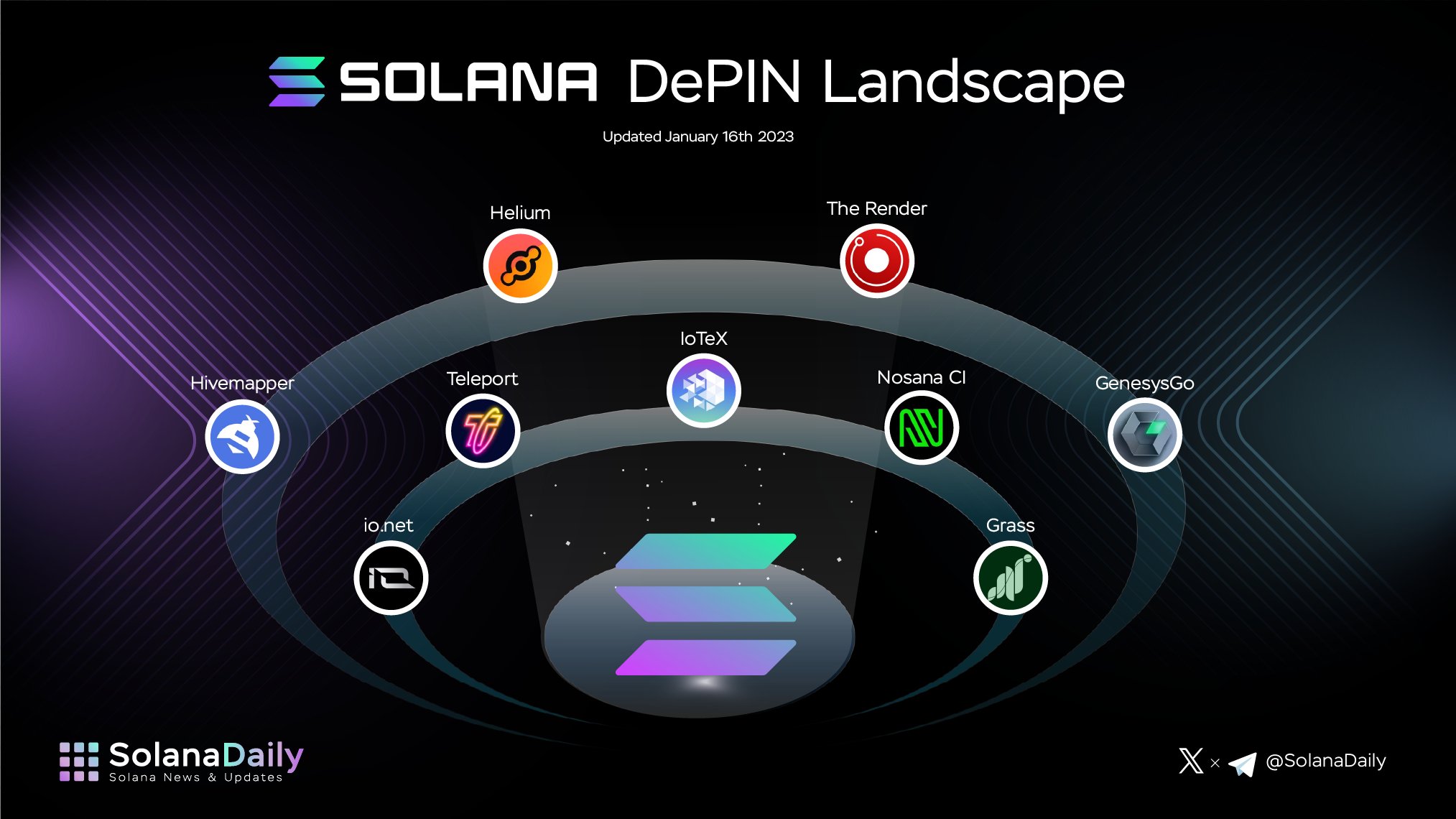
10 Best GPU DePIN Projects in 2026 for Idle Compute
The 2026 landscape for GPU DePIN projects prioritizes tangible infrastructure and verified compute networks over speculative tokens. We evaluate concrete platforms like Render, Akash, and Io.net based on official network metrics and hardware compatibility, ensuring only proven solutions for monetizing idle graphics processing power are included.
1. Render Network GPU Rendering
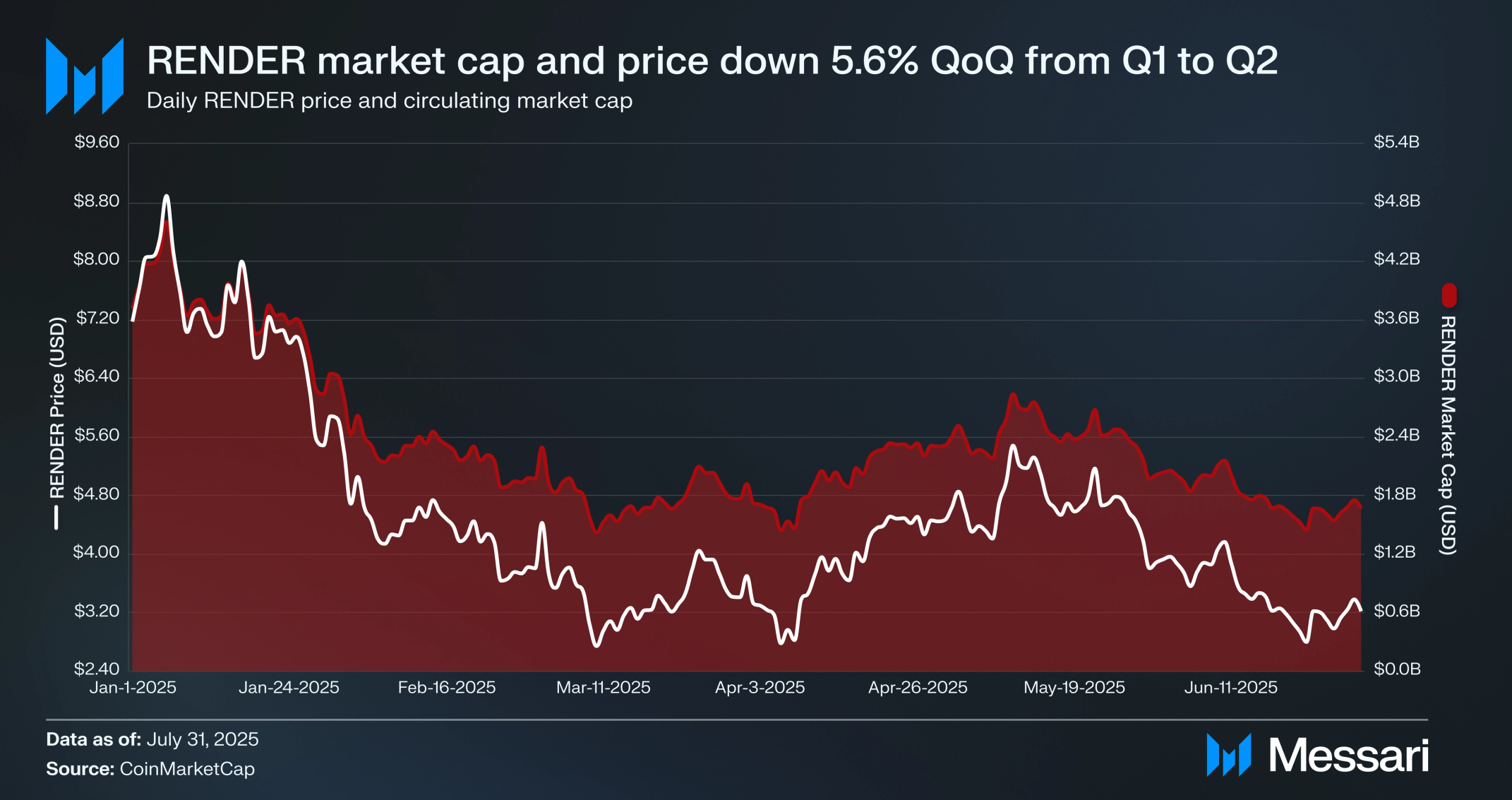
Render Network transforms idle graphics cards into a distributed rendering farm for 3D artists and VFX studios. By leveraging the RENDER token, users monetize unused GPU cycles while creators access affordable, scalable compute power. This decentralized approach significantly reduces rendering times and costs compared to traditional cloud providers, making high-end visual effects more accessible to independent creators.
2. Akash Network Decentralized Cloud
Akash Network operates as a decentralized cloud computing marketplace, often described as the "Airbnb of cloud computing." It allows users to rent unused server capacity at a fraction of the cost of major providers like AWS or Azure. By utilizing open-source Kubernetes, Akash ensures transparency and security, enabling developers to deploy applications efficiently while maximizing hardware utilization across a global network of providers.

3. io.net High-Performance Compute
io.net aggregates GPU resources from various providers to create a unified, high-performance computing network for AI and scientific research. It simplifies the process of accessing massive compute clusters by handling the underlying infrastructure complexity. Users can spin up powerful GPU instances quickly, making it easier for startups and researchers to train large language models without the capital expenditure of building their own data centers.
4. Gensyn Distributed AI Training
Gensyn focuses on distributed AI training by breaking down large machine learning models into smaller tasks processed across a network of contributors. It uses cryptographic proofs to verify the accuracy of computations without revealing the underlying data, ensuring privacy and integrity. This approach allows for efficient scaling of AI model training, reducing costs and energy consumption while maintaining high standards of computational accuracy for developers and researchers.

5. Salad Gamified GPU Sharing
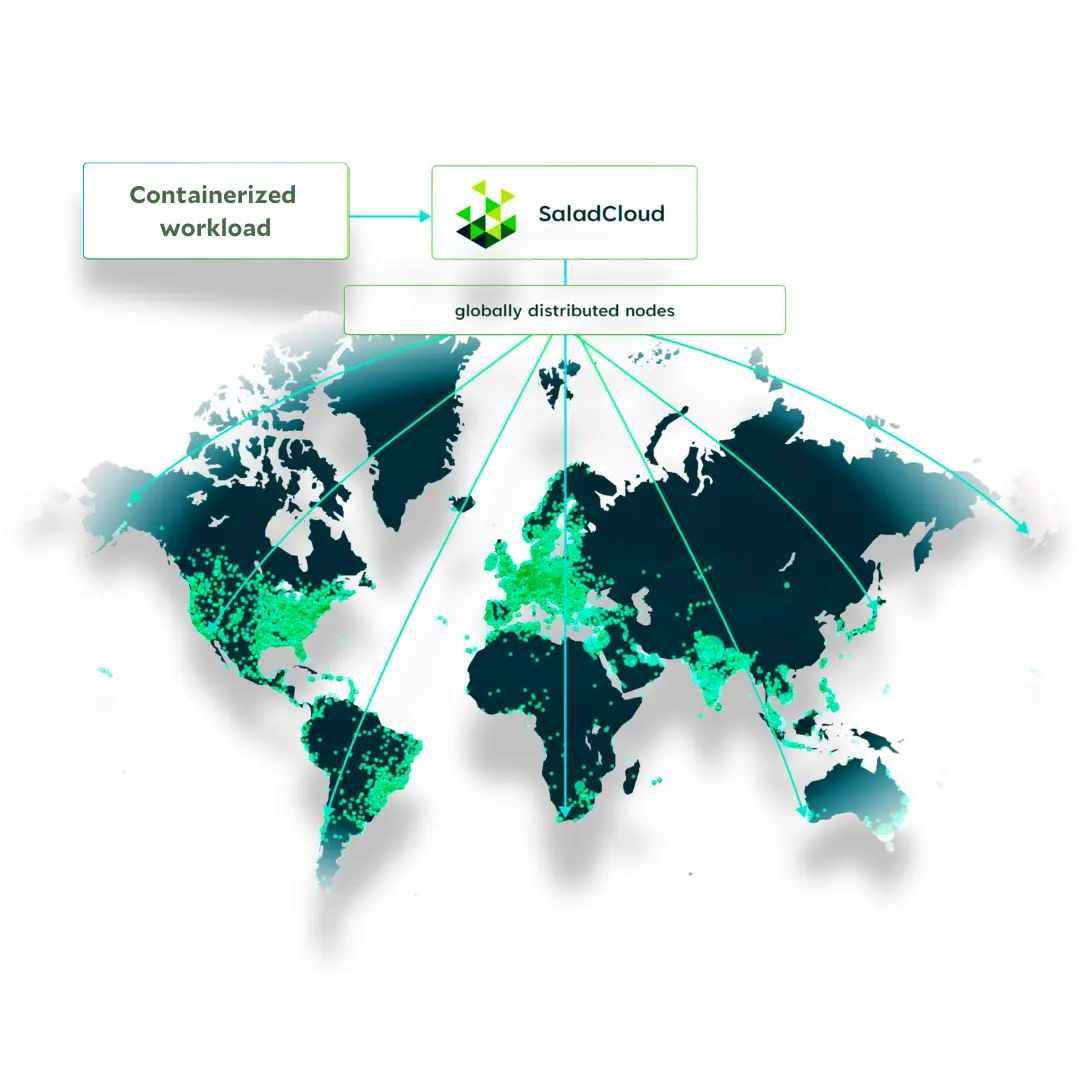
Salad transforms idle gaming PCs into productive assets by allowing users to share their GPU power for various tasks like AI inference and rendering. In exchange, users earn rewards that can be redeemed for gift cards or cryptocurrency. The platform gamifies the process of contributing compute power, making it engaging for gamers and casual users who want to monetize their hardware without technical expertise or complex setup procedures.
6. Vast.ai Marketplace Model
Vast.ai creates a decentralized marketplace for renting GPU compute power, connecting users with idle hardware owners. This model democratizes access to high-performance graphics processing units for AI training and rendering tasks. Users can browse available instances, compare prices, and deploy workloads directly from their browsers. The platform emphasizes transparency and competitive pricing, making it a practical alternative to traditional cloud providers for developers seeking scalable, on-demand resources.

7. NVIDIA NIM Edge DePIN
NVIDIA NIM microservices enable the deployment of AI inference models across edge devices and decentralized networks. This initiative integrates seamlessly with DePIN architectures, allowing participants to offer specialized AI capabilities like language processing or computer vision. By leveraging NVIDIA’s optimized containers, users can run complex models efficiently on varied hardware configurations. This approach bridges the gap between centralized AI development and distributed, community-driven infrastructure deployment.

8. Hivemapper Dashcam Data Network
Hivemapper incentivizes drivers to map roads using dashcams, creating a decentralized, real-time street-level imagery network. Participants earn tokens for capturing valid map data, which is then used to update digital maps for navigation services. This project transforms everyday driving into a valuable data contribution, rewarding users for improving global mapping accuracy. The network relies on user-contributed footage to provide fresh, detailed insights into road conditions and infrastructure changes.

9. Filecoin Storage Layer
Filecoin provides a decentralized storage network where users can rent out unused hard drive space and others can store data securely. This layer ensures data redundancy and availability through a proof-of-replication and proof-of-spacetime mechanism. Users earn tokens by providing storage capacity, while clients pay for reliable, censorship-resistant data hosting. The network supports a wide range of applications, from simple file storage to complex archival needs, offering a robust alternative to centralized cloud storage solutions.

10. Arweave Permanent Data Storage
Arweave offers permanent data storage through a one-time payment model, ensuring files remain accessible indefinitely without recurring fees. This blockchain-based solution uses a novel proof-of-access mechanism to verify data integrity and availability over time. Users can store smart contracts, NFT metadata, and critical documents with the guarantee that they will never be deleted. The network’s design prioritizes long-term preservation, making it ideal for archival purposes and immutable record-keeping in decentralized applications.

What GPU DePIN Means in 2026
Decentralized Physical Infrastructure Networks (DePIN) represent the intersection of AI’s insatiable demand for compute power and the availability of idle hardware. In 2026, this model has matured from a niche experiment into a viable economic layer. Instead of relying solely on centralized cloud giants, projects now coordinate real-world resources—like GPUs, storage, and bandwidth—through blockchain protocols to offer more flexible and often lower-cost alternatives.
For GPU owners, this shift creates a direct income stream. By renting out idle processing power, individuals and small data centers can monetize hardware that would otherwise sit dormant. Networks like Render and Akash have pioneered this approach, allowing users to lease their GPU capacity for tasks ranging from AI model training to 3D rendering. This decentralization not only lowers costs for developers but also democratizes access to high-performance computing.
The viability of renting idle GPUs hinges on efficient coordination. DePIN networks use smart contracts to match supply with demand, ensuring that compute tasks are distributed securely and payments are settled automatically. As AI workloads continue to grow, the infrastructure needed to support them is expanding beyond traditional data centers. This trend is expected to accelerate throughout 2026, making GPU DePIN a key component of the broader digital economy.
Comparing GPU DePIN Earnings
Choosing the right platform depends on balancing your hardware capabilities with your desired level of involvement. While earnings vary based on network demand and GPU efficiency, the setup complexity and potential daily returns differ significantly across major DePIN networks. Understanding these trade-offs helps you select a project that matches your technical comfort and investment.
The table below compares four leading GPU DePIN platforms, highlighting their earnings potential, hardware requirements, and setup difficulty based on current market data.
| Project | Est. Daily Earnings | Hardware Requirement | Setup Complexity |
|---|---|---|---|
| Render Network | $3–$7 (RTX 4090) | High-end NVIDIA GPU | Medium – Requires node software configuration |
| Akash Network | Variable, market-driven | Any GPU, cloud or local | Low – Containerized deployments |
| io.net | Variable, pool-dependent | NVIDIA GPUs (8GB+ VRAM) | Low – Automated agent installation |
| Salad | $1–$4 (varies by game/tasks) | Mid-range to High-end GPU | Very Low – User-friendly desktop app |
Earnings are not guaranteed and fluctuate with network demand. High-end GPUs like the RTX 4090 generally yield higher returns on Render, while platforms like Salad offer easier entry for users with mid-range hardware by aggregating various compute tasks. Always verify the latest requirements on each project’s official documentation before investing in hardware.
Best GPUs for DePIN Income
Choosing the right graphics card is the foundation of your DePIN strategy. In 2026, high-end consumer GPUs offer the best balance of power and efficiency for idle compute networks. The NVIDIA GeForce RTX 4090 remains the gold standard for providers, capable of generating between $3.00 and $7.00 daily depending on network demand and uptime [[src-serp-4]].
For those seeking a more accessible entry point, the RTX 4070 Ti Super provides strong performance for AI rendering tasks at a lower initial cost. It handles most DePIN workloads efficiently without the power draw of flagship models. If your budget is tighter, the RTX 4060 Ti 16GB version offers sufficient VRAM for many decentralized rendering platforms, though earnings will be more modest.
Professional cards like the NVIDIA RTX 6000 Ada are reserved for enterprise-grade nodes requiring massive memory bandwidth, but they rarely offer better ROI for individual providers than consumer flagships. Focus on consumer cards with at least 12GB of VRAM to ensure compatibility with the majority of DePIN protocols.


As an Amazon Associate, we may earn from qualifying purchases.
Risks and Hardware Requirements
Running a GPU node for DePIN networks is not plug-and-play. You are essentially running a small data center in your home or office, which introduces significant practical hurdles. The primary barrier is not the initial hardware cost, but the ongoing operational expenses and technical friction.
Electricity costs are the most critical variable. High-end GPUs like the NVIDIA RTX 4090 or A100 draw substantial power under load. If your local electricity rate exceeds $0.10 per kWh, your profits may vanish or turn into losses. You must calculate your specific energy costs against the projected daily earnings of the platform before purchasing any gear.
Hardware Wear and Cooling
GPUs generate intense heat. Sustained 24/7 workloads at 80-90% utilization accelerate component degradation. Without industrial-grade cooling or significant airflow modifications, you risk thermal throttling or hardware failure within months. Proper ventilation is not optional; it is a requirement for longevity.
Technical Setup
Connecting to DePIN networks often requires configuring Docker containers, managing API keys, and troubleshooting network latency. Unlike traditional cloud providers, you are responsible for uptime. If your internet connection drops or your PC goes to sleep, you lose rewards. Ensure your router and firewall are configured for low-latency, high-bandwidth stability.
No comments yet. Be the first to share your thoughts!