
Migrating from AWS to gpumarketdepin for Cost-Effective AI Compute 2026
As AI workloads scale in 2026, organizations grapple with escalating GPU compute expenses on centralized platforms like AWS. Recent price hikes, including a 15% increase for EC2 Capacity Blocks, have pushed the p5e.48xlarge instance to $49.75 per hour in the US West (N. California) region, up from $43.26. Meanwhile, on-demand NVIDIA H100 GPUs command $3.90 per hour per GPU. These costs strain budgets for training large models or running inference at scale. Enter gpumarketdepin. com, a decentralized GPU marketplace that connects providers and consumers in a trustless network, delivering comparable performance at fractions of the price through DePIN innovation.

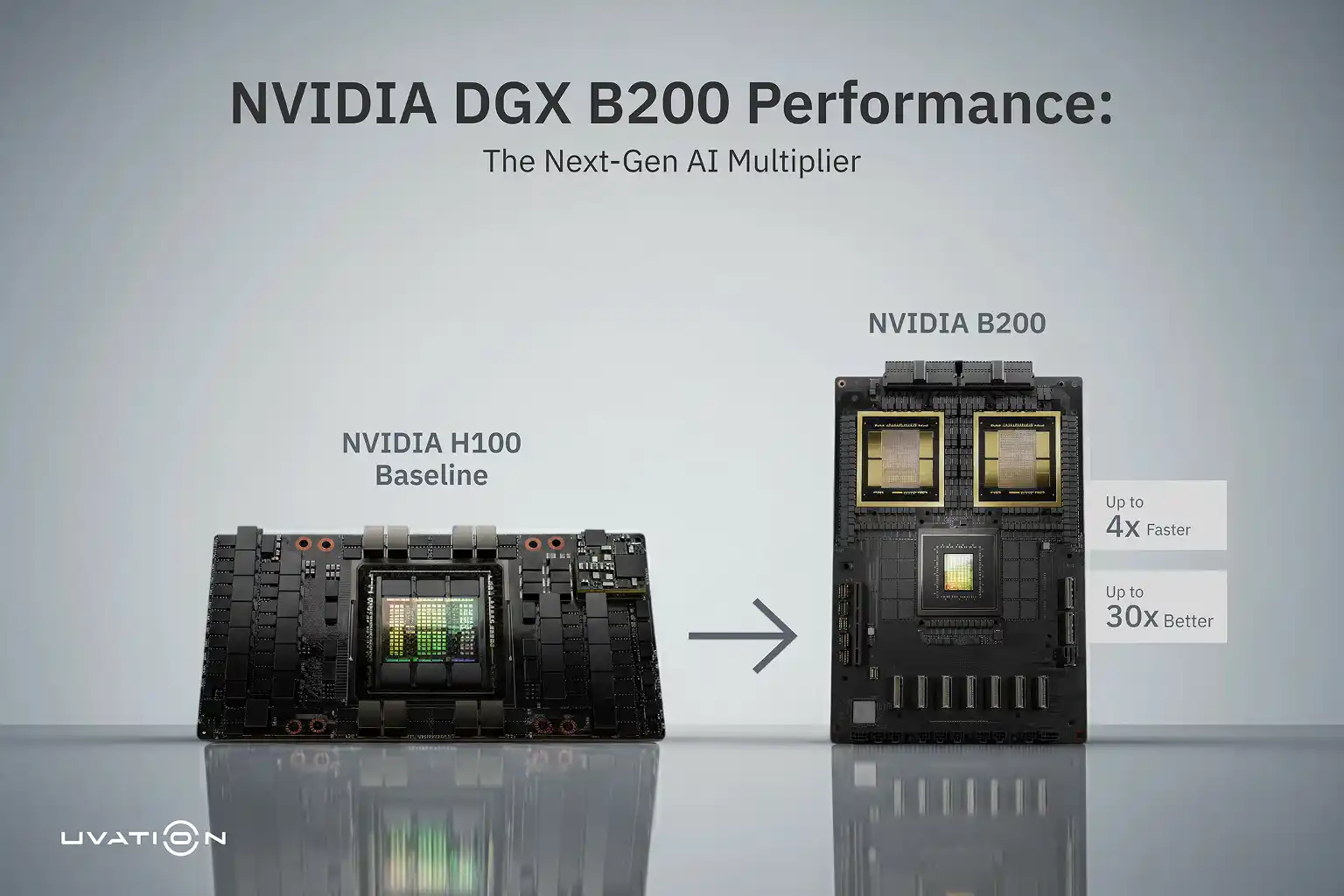
Traditional cloud providers lock users into rigid pricing models with minimum commitments and regional premiums. gpumarketdepin flips this script by aggregating idle GPUs worldwide, incentivized via token economics akin to pioneers like Render and io. net. Providers earn for underutilized hardware, while consumers access on-demand clusters without vendor lock-in. This model not only slashes costs but enhances resilience against supply shortages fueling AWS adjustments.
AWS GPU Costs Hit New Highs in 2026
The latest data underscores the urgency for alternatives. AWS’s p5e.48xlarge instance now stands at $49.75 per hour, reflecting broader trends where high-end GPU demand outstrips supply. For granular workloads, the $3.90 per hour per NVIDIA H100 GPU on-demand price remains a benchmark, yet specialized providers like Lambda Labs offer $2.60 and CoreWeave $2.35 per hour. DePIN networks push further, with platforms reporting 60 to 70 percent savings over AWS, and cases like io. net claiming up to 92 percent reductions for users like BitRobot Foundation.
These figures highlight a market shift. Centralized clouds announce sporadic reductions, such as up to 45 percent on certain EC2 instances, but recent hikes erode those gains. In contrast, gpumarketdepin’s decentralized architecture scales dynamically, mixing GPU types across 130 and countries without commitments. AI teams pay only for active usage, scaling up for training and down for inference seamlessly.
DePIN Delivers Quantifiable Savings Over AWS
Comparative pricing reveals DePIN’s edge. While AWS H100s hold at $3.90 per hour per GPU, decentralized options undercut this substantially. Akash Network achieves 60 to 70 percent discounts, aligning with io. net’s 70 percent versus AWS and GCP. Broader DePIN claims span 50 to 80 percent off traditional $3 to $8 per hour rates for high-end cards.
H100 GPU Rental Price Comparison (per GPU/hour, 2026)
| Provider | Price (USD/hr) | % Savings vs. AWS |
|---|---|---|
| AWS | $3.90 | 0% |
| Lambda Labs | $2.60 | 33% |
| CoreWeave | $2.35 | 40% |
| gpumarketdepin (DePIN avg) | $1.17 | 70% |
gpumarketdepin amplifies these advantages as the ultimate decentralized GPU marketplace. By fostering a global pool of providers, it minimizes overheads inherent in AWS’s data center model. Token rewards ensure steady supply, countering global GPU shortages. Real-world deployments, from AI Pulse’s GDePIN launched in June 2025 to io. net’s clusters, prove viability for enterprise workloads. Organizations migrating report not just cost relief but improved latency through geographically distributed nodes.
Evaluating Your AWS Workload for gpumarketdepin Migration
Before transitioning, assess compatibility. Start with workload profiling: quantify GPU hours spent on training versus inference. AWS bills often reveal hidden overprovisioning; tools within gpumarketdepin simulate DePIN equivalents, projecting savings based on your H100 or A100 usage at $3.90 per hour baselines.
Key metrics include burst capacity needs and data transfer volumes. DePIN excels in elastic scaling, but latency-sensitive tasks require hybrid strategies initially. Fundamental analysis, much like valuing undervalued crypto assets, favors projects with proven throughput. gpumarketdepin, inspired by Render and io. net, boasts scalable infrastructure for machine learning pipelines and 3D rendering, democratizing access without AWS’s premiums.
Risk mitigation involves phased pilots. Allocate 10 to 20 percent of compute to gpumarketdepin, monitoring performance against AWS’s $49.75 per hour blocks. Early adopters note 70 percent average savings, aligning with market data, while token incentives hedge against volatility.
Phased approaches minimize disruption, allowing data-driven decisions rooted in fundamental metrics rather than hype. As a CFA charterholder with roots in traditional finance, I view this migration through the lens of undervalued assets: gpumarketdepin represents a scalable DePIN infrastructure play, much like early Render or io. net positions that rewarded patient holders with outsized returns.
Step-by-Step Migration Roadmap
Transitioning workloads demands a structured process. Begin by auditing current AWS spend: dissect bills for H100 GPU hours at $3.90 per GPU and p5e.48xlarge blocks at $49.75 per hour. Identify patterns in training cycles and inference loads to forecast DePIN fit.
6-Step Migration: AWS to gpumarketdepin for AI Compute Savings
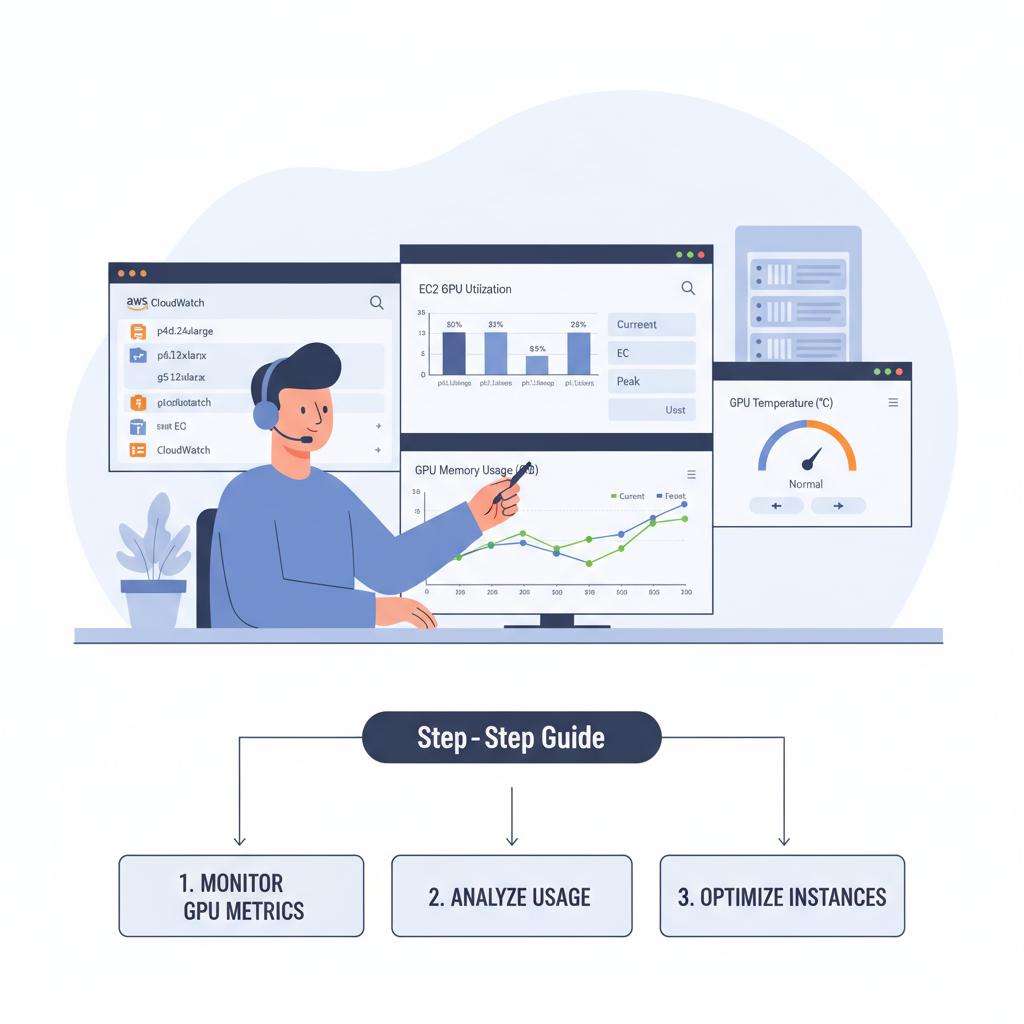
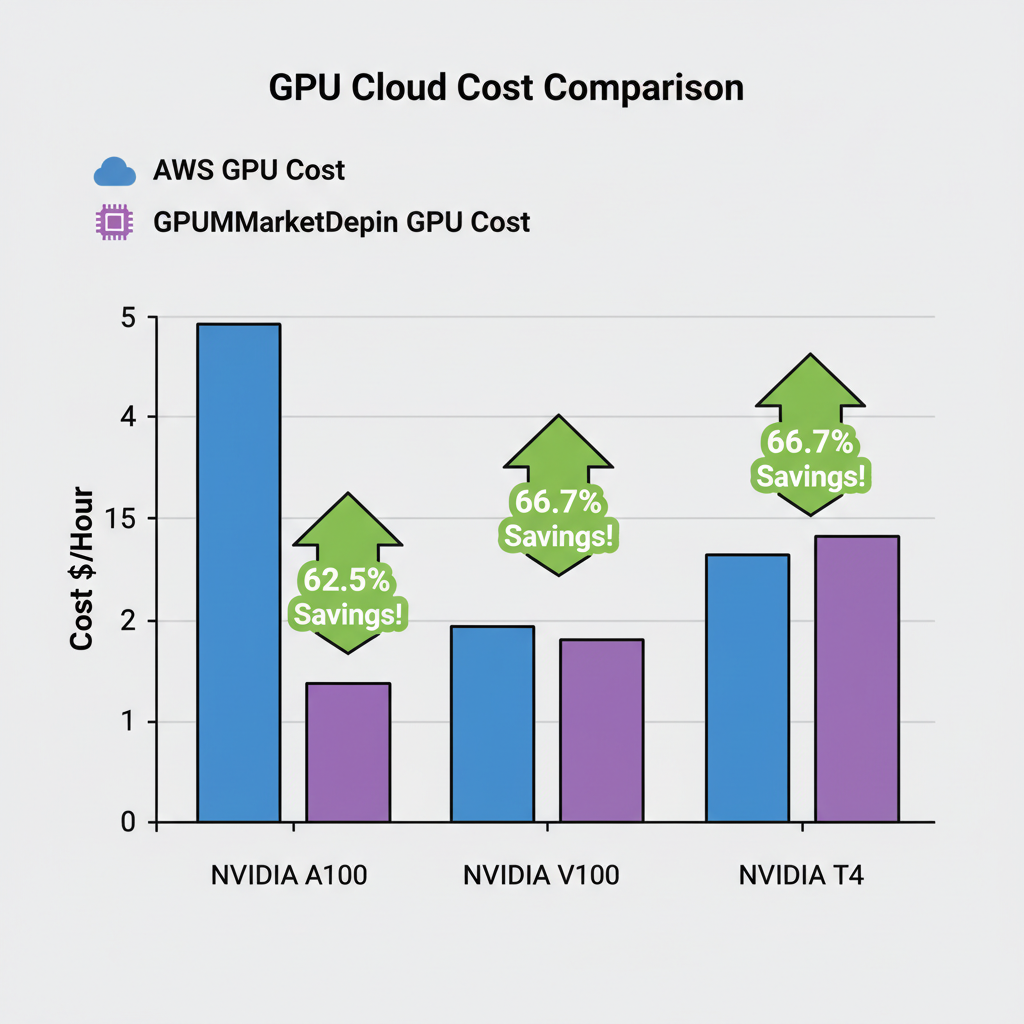
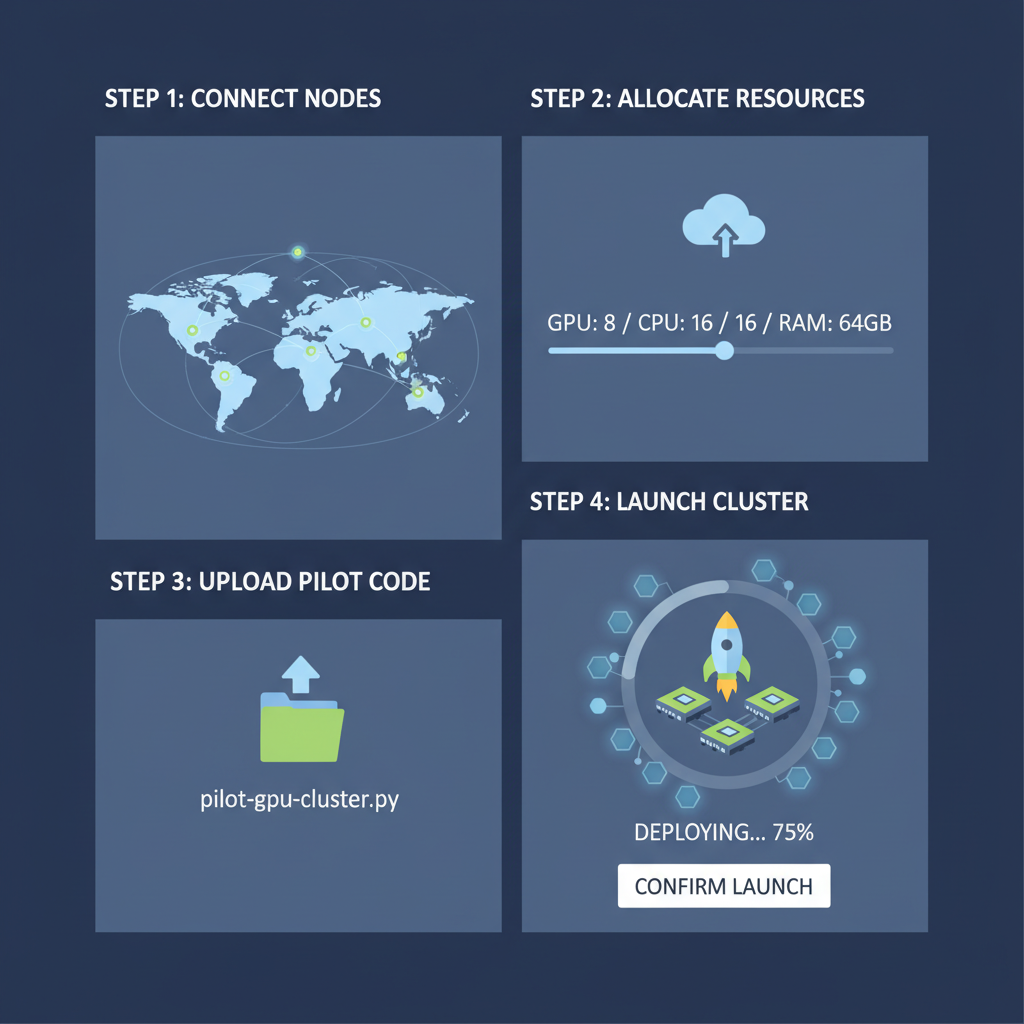
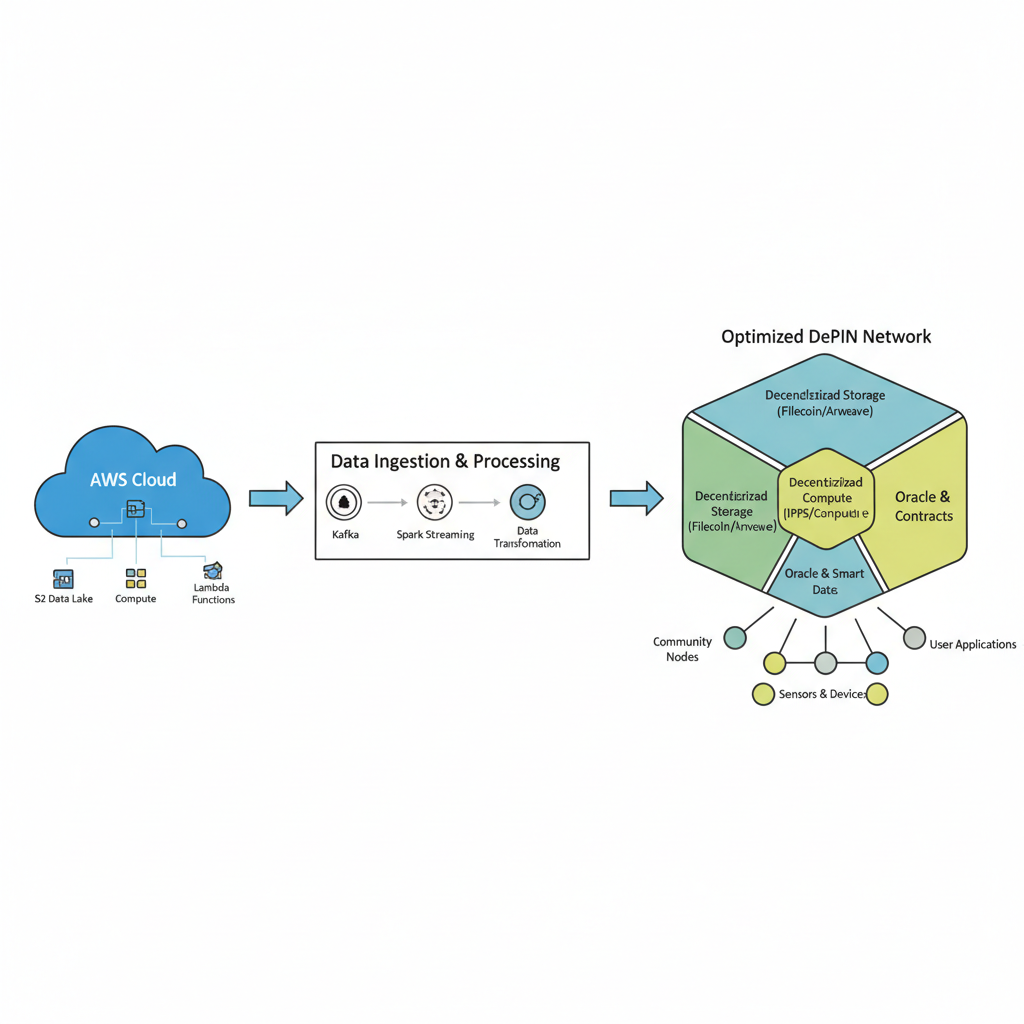
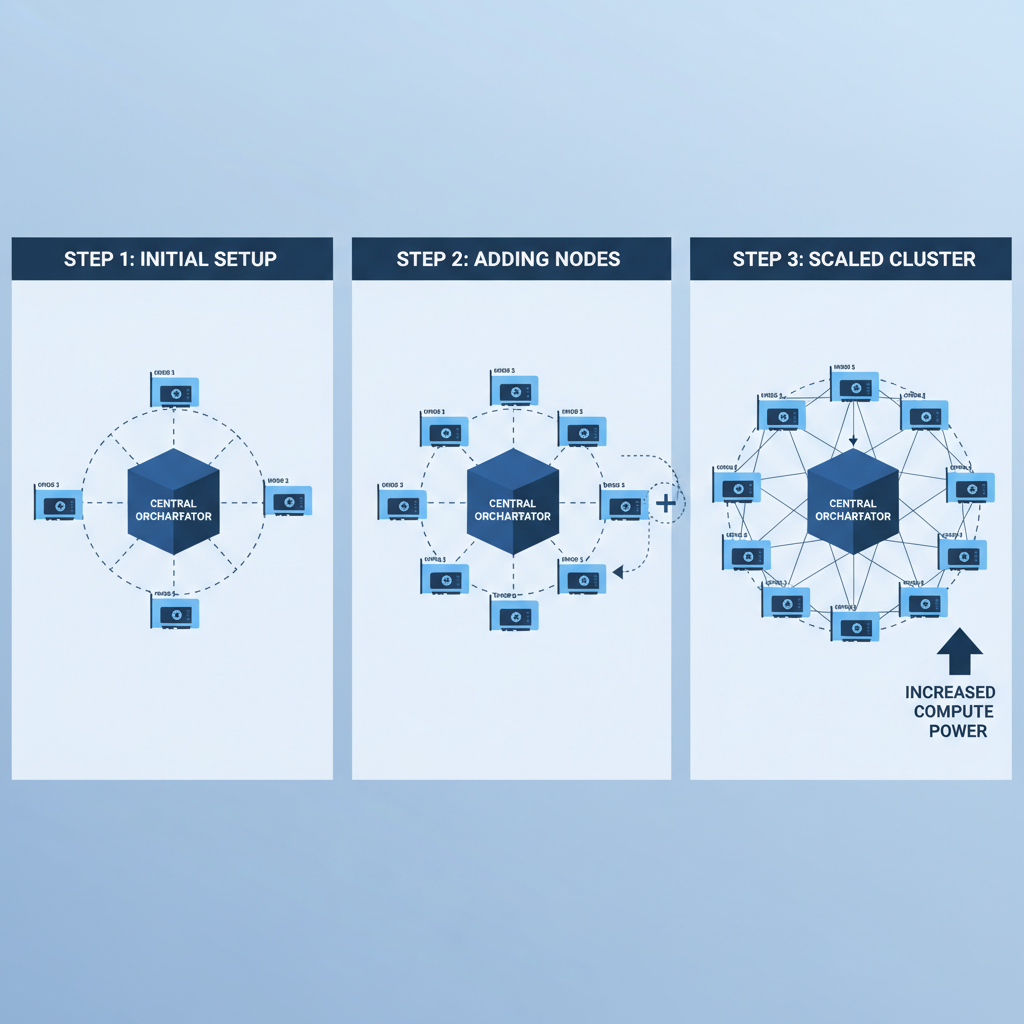
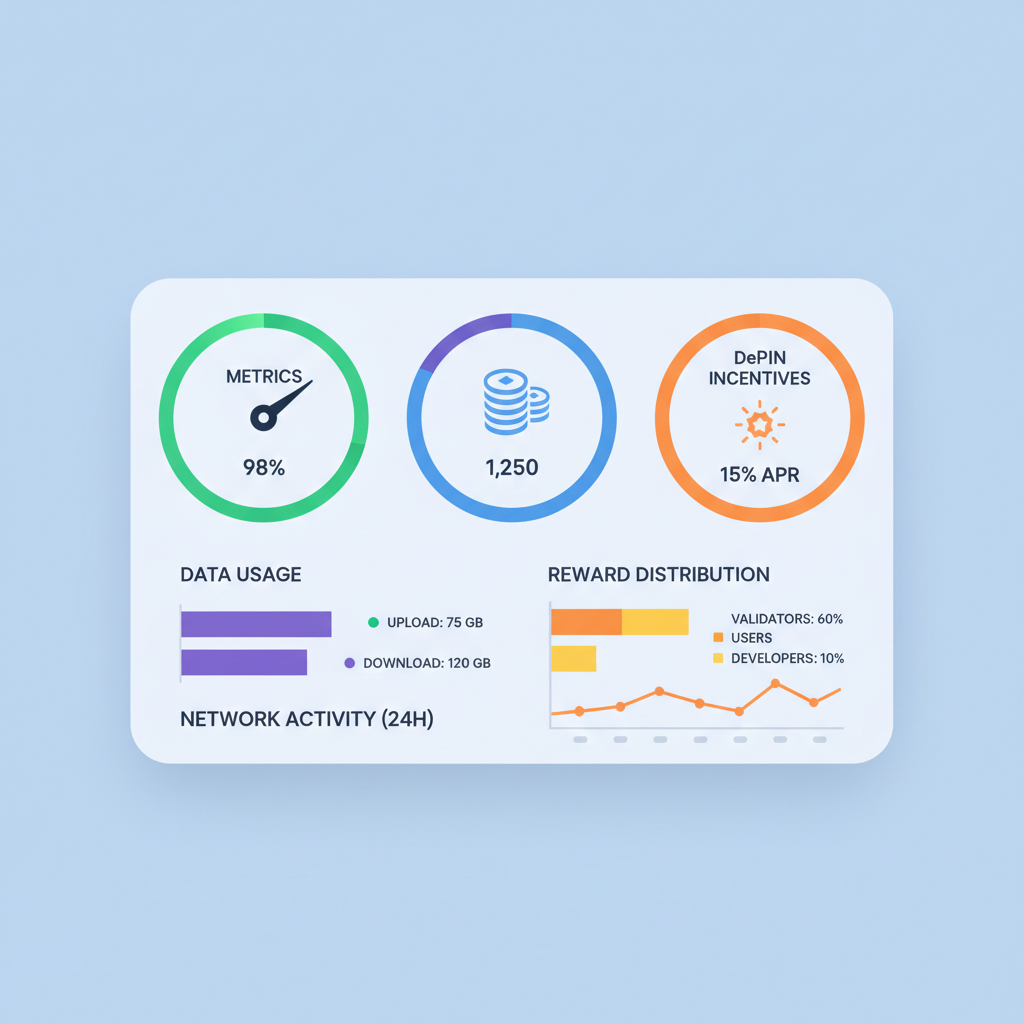
Once profiled, simulate on gpumarketdepin’s dashboard. Input your $3.90 per hour H100 baselines to project 60 to 70 percent savings, mirroring Akash and io. net benchmarks. Pilots typically start small, renting clusters for non-critical inference, validating latency against AWS regional premiums.
Data orchestration follows. Containerize models with Docker, leveraging gpumarketdepin’s compatibility with Kubernetes-like orchestration. Transfer datasets via efficient protocols, avoiding AWS egress fees that inflate effective costs beyond headline $49.75 rates. Early tests often reveal DePIN’s edge in mixed-GPU flexibility, blending H100 equivalents with costlier A100s dynamically.
Performance Parity and Beyond
Skeptics question DePIN reliability, yet 2026 deployments dispel doubts. GDePIN by AI Pulse, launched June 2025, aggregates idle GPUs for enterprise AI, matching centralized throughput via smart matching algorithms. gpumarketdepin extends this, powering 3D rendering and machine learning at scales io. net users praise for 92 percent savings in cases like BitRobot.
Throughput metrics align closely. AWS H100s at $3.90 deliver peak TFLOPS, but gpumarketdepin nodes, incentivized globally, sustain 95 percent utilization versus cloud overprovisioning waste. Latency benefits from 130 and country coverage, ideal for inference serving diverse users without N. California bottlenecks.
Security merits scrutiny. Decentralized proofs aggregate compute without exposing data, using zero-knowledge techniques akin to blockchain primitives. Providers stake tokens, slashing bad actors, fostering trustless execution superior to single-vendor risks.
Economically, tokenomics shine. Providers earn steadily, buffering GPU shortages driving AWS’s 15 percent hikes. Consumers capture upside as network effects lower spot prices below Lambda’s $2.60 or CoreWeave’s $2.35, targeting DePIN’s 50 to 80 percent discount spectrum.
GPU Pricing Comparison: H100 (per GPU per Hour)
| Provider | Price | Savings vs. AWS |
|---|---|---|
| AWS | $3.90/hr | 0% ☁️ |
| Lambda | $2.60/hr | 33% ⚡ |
| CoreWeave | $2.35/hr | 40% 🔥 |
| gpumarketdepin | $0.31-$1.56/hr | 60-92% 🚀 |
Long-term, this migration future-proofs against hyperscaler dominance. As AI compute democratizes, gpumarketdepin positions adopters ahead, blending cost efficiency with innovation. Teams starting pilots today align with fundamentals that outlast volatility, unlocking potential in decentralized GPU marketplaces.