
Monetizing Idle GPUs on DePIN Marketplaces Like io.net and Render 2026 Guide
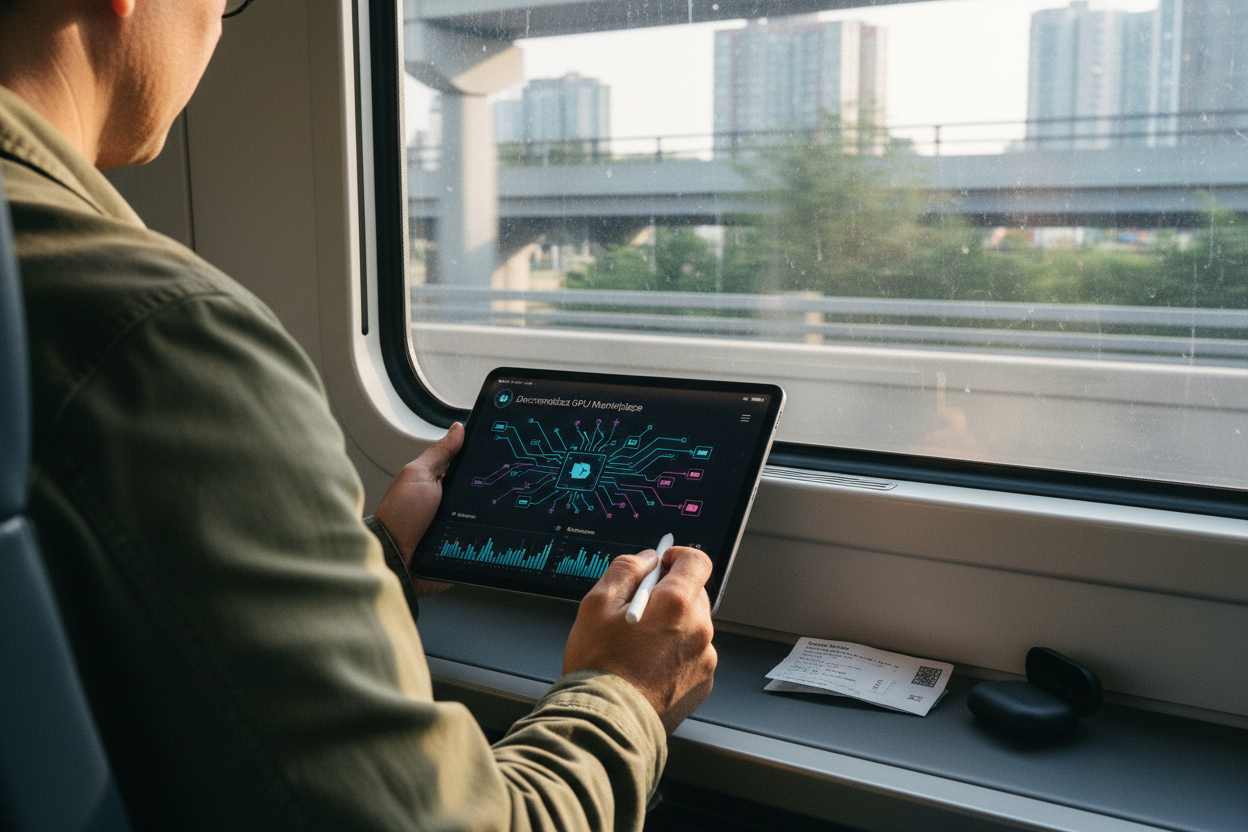
In 2026, millions of high-end GPUs sit idle in homes, offices, and data centers worldwide, their compute power untapped amid soaring demand for AI training and rendering. DePIN marketplaces like io. net and Render Network change this dynamic, enabling GPU owners to monetize idle GPUs through decentralized networks. With Render’s RNDR token trading at $1.79, up $0.1300 or and 0.0783% in the last 24 hours (high $1.94, low $1.66), these platforms underscore a maturing ecosystem where hardware providers capture real value from otherwise dormant assets.

Traditional cloud giants like AWS charge premiums that exclude smaller players, but DePIN flips the script. By pooling underutilized GPUs, io. net and Render deliver compute at 70-90% lower costs, fueling AI startups and creators. This isn’t speculative hype; it’s fundamental infrastructure with proven network utility, as evidenced by io. net’s access to over 30,000 GPUs and Render’s 65 million rendered frames.
io. net’s Edge in Decentralized AI Compute
Built on Solana for speed and low fees, io. net aggregates GPUs from miners, data centers, and even Filecoin nodes into a vast AI hyperscaler. Providers earn $IO tokens by supplying compute for machine learning workloads, tapping into demand strained by H100 and MI300X shortages. The platform’s 2026 cluster-building guide highlights total cost of ownership benchmarks, making it vendor-agnostic and scalable. For GPU owners, this means io. net GPU provider earnings that scale with hardware specs and uptime, often outpacing centralized alternatives.
Real-world stats from long-term operators show steady revenue streams. Reddit threads reveal providers running nodes for months, with earnings tied to job demand in AI training. Unlike hyperscalers locking users into proprietary stacks, io. net democratizes access, positioning it as digital oil for the AI era. Sustainable tokenomics here prioritize network growth over pumps, rewarding consistent suppliers over short-term speculators.
Render Network’s Proven Track Record for Suppliers
Render Network, once laser-focused on 3D rendering, now pivots to AI compute, broadening appeal for Render network supplier guide seekers. Artists and designers rent out RTX or Quadro GPUs, earning RNDR for jobs from Hollywood VFX to generative art. At $1.79, RNDR reflects steady adoption, with the network’s milestones signaling long-term viability.
GPU providers benefit from Render’s emphasis on precision rendering, but expansion into general compute boosts utilization. Medium posts detail artists monetizing spare hardware peer-to-peer, bypassing middlemen. This evolution aligns with DePIN’s promise: turn idle rigs into income generators without selling assets. Earnings accrue in RNDR, tradeable on major exchanges, with payouts reflecting frame renders or compute hours delivered.
Render (RNDR) Price Prediction 2027-2032
Forecasts based on DePIN growth, AI compute demand, and GPU monetization trends from 2026 baseline of $1.79
| Year | Minimum Price | Average Price | Maximum Price | YoY % Change (Avg from Prior Year) |
|---|---|---|---|---|
| 2027 | $2.20 | $4.50 | $7.00 | +151% |
| 2028 | $3.50 | $7.00 | $11.00 | +56% |
| 2029 | $5.00 | $10.00 | $16.00 | +43% |
| 2030 | $7.00 | $13.50 | $21.00 | +35% |
| 2031 | $9.50 | $17.50 | $27.00 | +30% |
| 2032 | $12.00 | $22.00 | $35.00 | +26% |
Price Prediction Summary
RNDR is positioned for strong growth amid booming AI workloads and DePIN adoption, outpacing traditional cloud providers. Conservative minimums reflect regulatory risks and competition, while maximums assume market dominance in decentralized GPU rendering. Average projections indicate a ~50% CAGR through 2032, driven by network expansion and token utility.
Key Factors Affecting Render Price
- Explosive AI training and rendering demand boosting GPU utilization on Render Network
- Competition and synergies with io.net and other DePINs like Aethir
- Crypto market cycles, with potential bull runs post-2028 halving
- Regulatory developments favoring decentralized infrastructure
- Technological upgrades in GPU efficiency and network scalability
- Increasing partnerships for Hollywood, AI startups, and global compute access
- Tokenomics improvements and earnings potential from idle GPU monetization
Disclaimer: Cryptocurrency price predictions are speculative and based on current market analysis.
Actual prices may vary significantly due to market volatility, regulatory changes, and other factors.
Always do your own research before making investment decisions.
Step-by-Step Onboarding for DePIN GPU Providers
Entering these marketplaces requires deliberate setup, but barriers are low for compatible hardware. First, verify your GPU: io. net welcomes consumer cards alongside enterprise like H100s; Render prioritizes NVIDIA RTX/Quadro for fidelity. Download client software from official sites, ensuring clean installs to avoid verification snags.
- Wallet Setup: Phantom or Solflare for io. net’s $IO; Solana wallets for RNDR. Seed security is paramount; fund minimally for gas.
- Node Registration: Connect wallet, submit hardware details, pass uptime tests. Approval hits within hours.
- Dashboard Monitoring: Track jobs, aim for 95% uptime to maximize decentralized GPU marketplace rewards.
Early providers report 20-50% utilization lifts, yielding $50-300 monthly per GPU at current rates. This passive income layer transforms gaming rigs into assets, especially as AI demand surges. Optimization starts with undervolting for efficiency, stable internet, and UPS backups to dodge penalties.
Yet success hinges on market dynamics. io. net’s open-source models and Render’s creative workflows drive varied demand, but token volatility at RNDR’s $1.79 level warrants measured exposure. Providers who treat this as infrastructure, not a get-rich-quick scheme, position for 2026’s growth.
Network effects amplify returns as more jobs flow through validated nodes, but idle GPU compute income 2026 demands vigilance. Token prices like RNDR at $1.79, with its 24-hour range from $1.66 to $1.94, introduce variability that seasoned providers hedge through diversification or stablecoin conversions. Fundamental analysis reveals io. net’s Solana backbone offers faster settlements than Ethereum-based rivals, edging it ahead for high-frequency earners.
io. net vs Render: Provider Earnings Breakdown
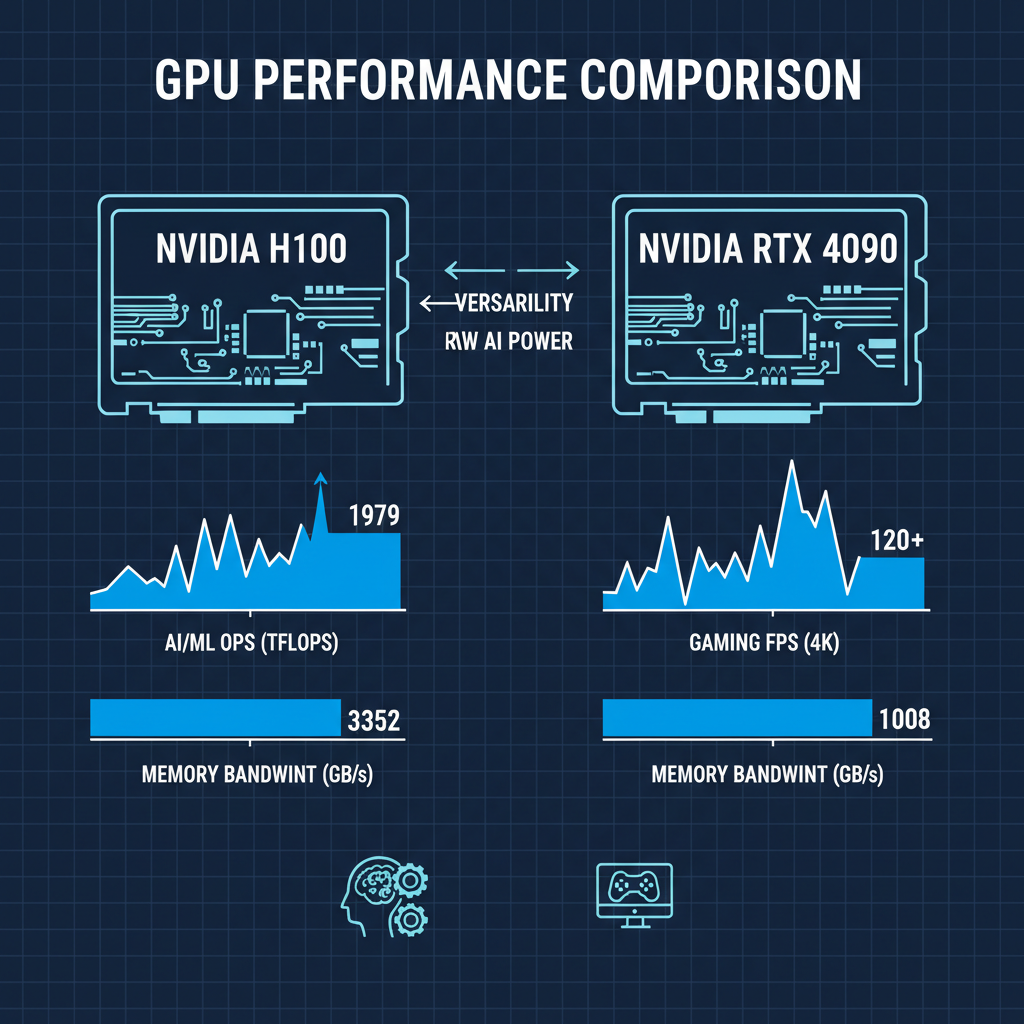
Choosing between platforms hinges on workload alignment and risk tolerance. io. net excels in AI/ML bursts, rewarding diverse hardware with $IO payouts tied to compute hours. Render suits steady rendering queues, favoring premium NVIDIA cards for RNDR rewards per frame. Both deliver decentralized GPU marketplace rewards, but io. net’s broader compatibility lowers entry barriers for gaming GPUs.
io.net vs Render Network Comparison
| Platform | Hardware Requirements | Avg Monthly Earnings per RTX 4090 (at 95% uptime) | Token (Price) | Payout Frequency | Target Workloads |
|---|---|---|---|---|---|
| io.net | Broad range incl. consumer gaming cards (RTX 4090+) ✅ | ~$200-$300 💰 (varies by demand) | IO (N/A) | Periodic withdrawals 📊 | AI/ML training & inference 🚀 |
| Render Network | NVIDIA RTX/Quadro series 🎨 | ~$150-$250 💰 (varies by demand) | RNDR ($1.79) 📈 | Periodic withdrawals 📊 | Rendering & AI compute 🎥 |
Real operators underscore these differences. Aethir hosts report similar strategies yield top returns, but io. net and Render lead in DePIN purity. Reddit veterans disclose 3 and month stats: RTX 3090s netting $150-250 monthly on io. net during AI peaks, less on Render absent rendering demand. These figures, conservative at RNDR’s $1.79 stability, scale with clusters.
Scaling to Profitable GPU Clusters
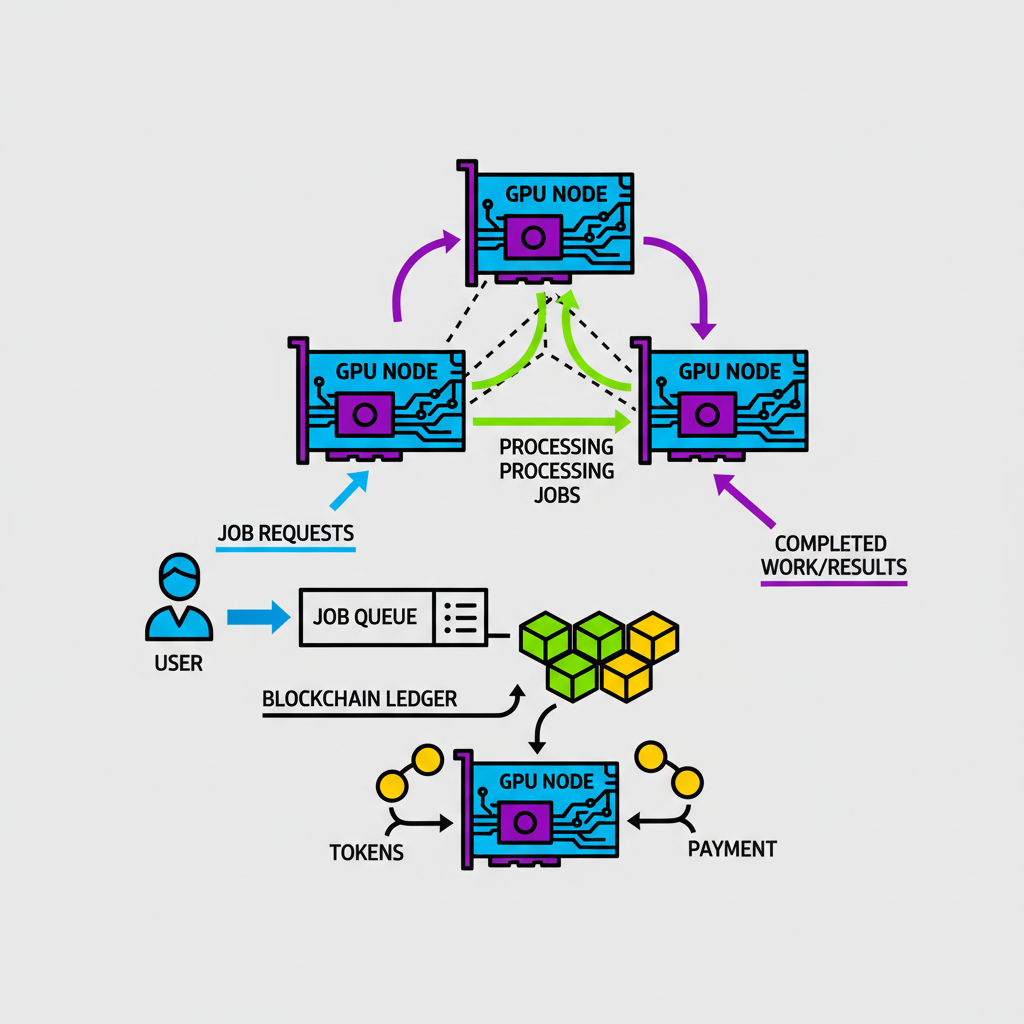
Single GPUs suit hobbyists, but serious monetize idle GPUs DePIN plays build clusters. io. net’s 2026 guide outlines TCO for H100/MI300X setups, benchmarking against AWS at 70% savings. Start small, validate economics, then expand. Providers pooling 4-8 cards report 3x utilization, transforming basements into micro-data centers.
Scale Idle GPUs to DePIN Cluster: Power, Hardware, Monitoring & Pools
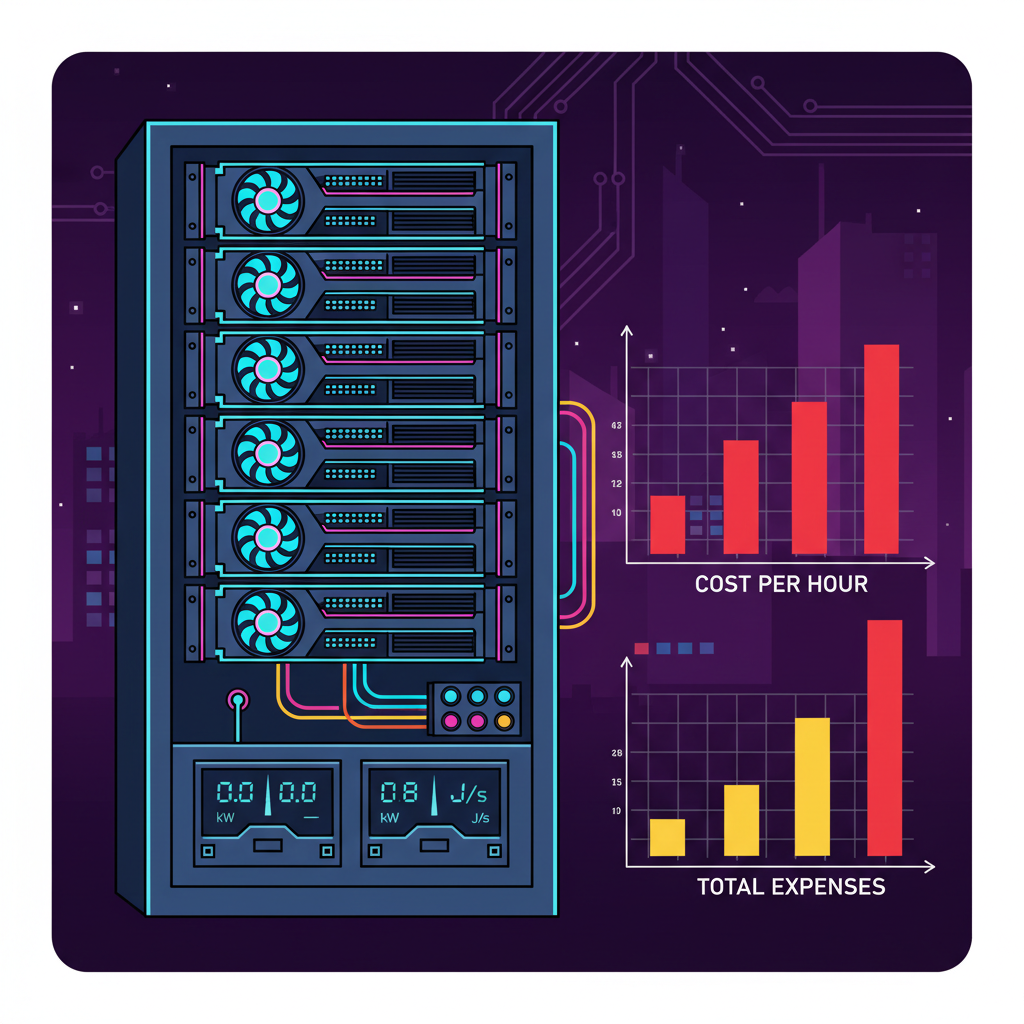
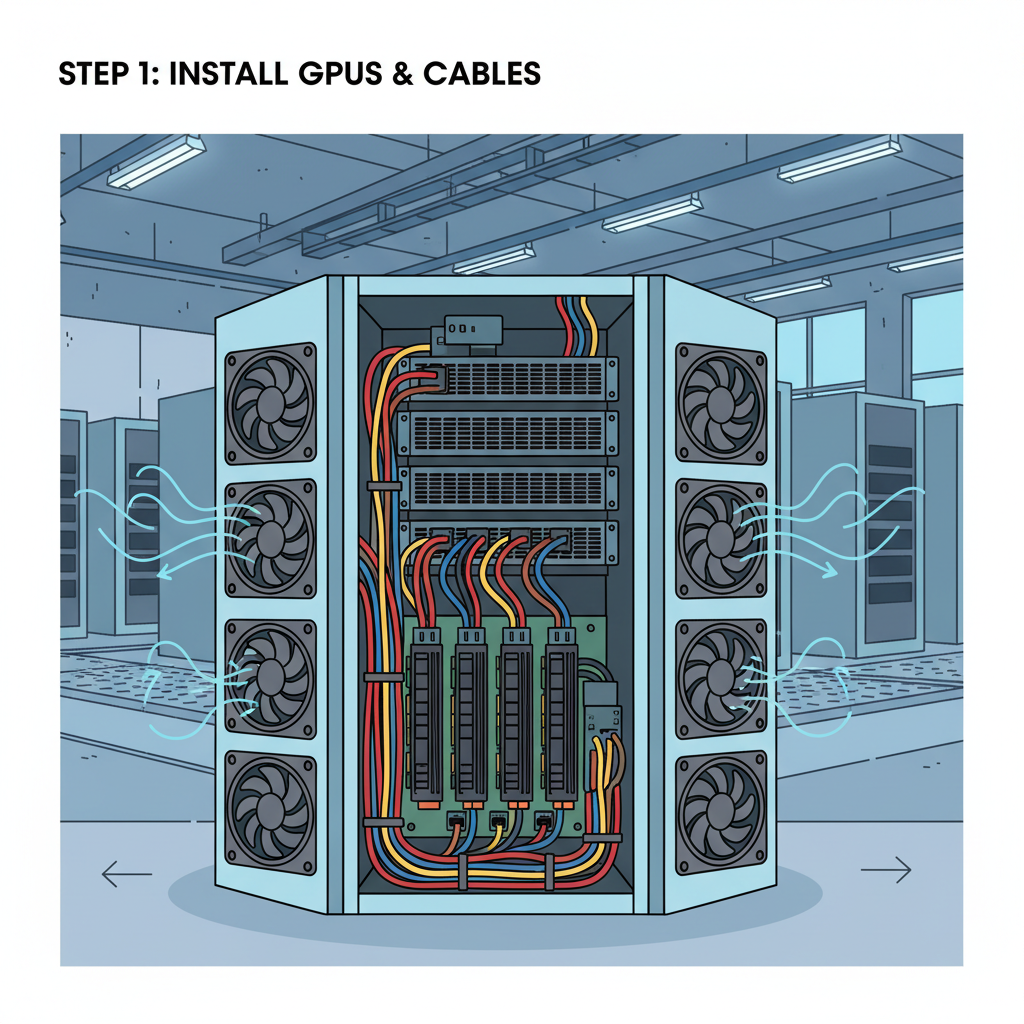
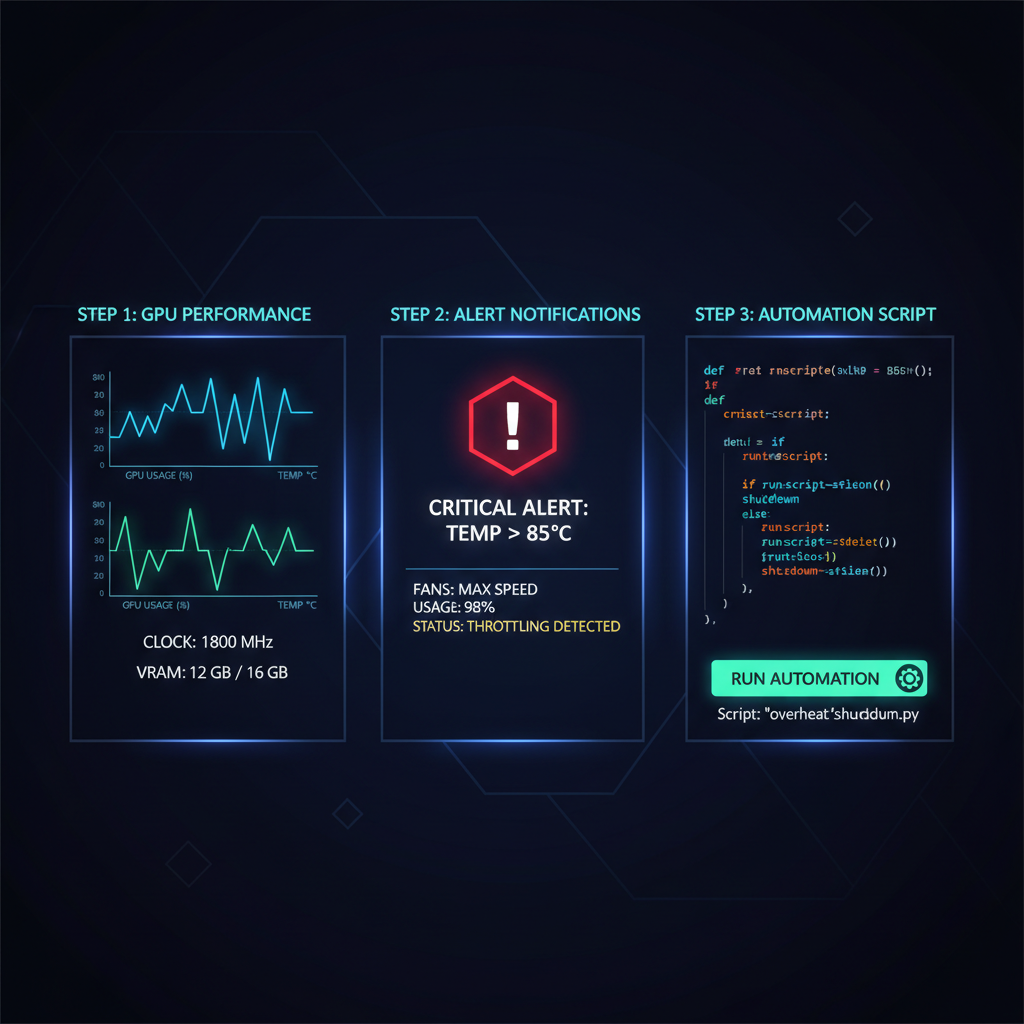
Optimization elevates yields further. Undervolting RTX series cuts electricity 20-30% without performance hits; script alerts for 99% uptime. Pair with solar backups in sunny regions for net-positive margins. Yet pitfalls loom: regulatory scrutiny on energy use, token illiquidity during dips, or job droughts from oversupply. Mitigate via multi-platform nodes and long-term holds, betting on AI’s insatiable hunger.
DePIN’s ascent reshapes compute economics. At RNDR’s $1.79 perch, post its and $0.1300 24-hour gain, suppliers lock in utility over speculation. io. net’s 30,000 and GPU pool and Render’s frame odometer ticking past 65 million frame proof of sustained traction. GPU owners embracing this shift don’t just earn; they anchor decentralized infrastructure’s backbone, profiting as AI permeates every sector. Forward-thinking providers, armed with metrics and patience, stand to harvest compounding rewards through 2026 and beyond.