
Earning Passive Income with Idle GPUs on DePIN Marketplaces Like Render and io.net 2026

In 2026, as DePIN GPU provider earnings surge amid booming AI demand, everyday GPU owners are unlocking steady passive income by sharing idle hardware on marketplaces like Render and io. net. Forget the volatility of crypto mining; these networks match your spare RTX 4090 or gaming rig with tasks in 3D rendering, machine learning inference, and high-performance compute. Render’s RENDER token trades at $1.42 today, down 7.19% over the last 24 hours with a high of $1.54 and low of $1.39, signaling a dip but underscoring the network’s resilience in a maturing DePIN landscape.

This shift mirrors evolutions seen in platforms like GamerHash, which pivoted from mining to AI inference, letting users earn via gaming PCs and redeem for Steam cards or Bitcoin. Similarly, Reddit threads buzz with RTX 4090 owners seeking idle GPU monetization DePIN strategies, blending compute sharing with video transcoding. My take? DePIN isn’t just hype; it’s hybrid intelligence at work, where on-chain metrics meet real-world utility to outpace centralized clouds like AWS in cost and scalability.
DePIN’s Edge Over Legacy Mining for Spare GPU Income
The crypto mining era democratized earnings with consumer GPUs, but plunging profitability post-Ethereum merge left rigs idle. Enter DePIN: decentralized physical infrastructure networks that orchestrate GPU supply for AI and rendering workloads. Platforms like Aethir outline seven strategies for 2025-2026 monetization, from AI tasks to cloud gaming, yet Render and io. net stand out for their tokenomics and liquidity. Providers stake hardware as nodes, earning tokens per compute hour delivered, often netting $0.50-$2 daily on a single high-end card during peaks, based on network demand.
What sets this apart is trustlessness. No middlemen skimming fees; smart contracts verify job completion and distribute rewards. io. net’s model even lets non-owners stake IO tokens to back nodes, sharing profits without hardware hassle. As someone who’s tracked Render’s on-chain signals for years, I see sustained volume growth correlating with RENDER’s floor around $1.42, hinting at upside if AI hype cycles reignite.


Render Network: Blueprint for GPU Sharing Rewards
Render Network pioneered decentralized rendering, connecting artists with global GPU power since its early days. Node operators install lightweight software, pass hardware checks, and bid on jobs via OctaneRender or Blender integrations. Compensation flows in RENDER at $1.42 per token, with burns enhancing scarcity. A typical setup: your idle 4090 handles ray-tracing frames, earning fractions of a token per gigahash rendered, compounding passively while you game or sleep.
Real-world proof? Community reports mirror GamerHash’s plug-and-play ethos, where no PhD is needed. Activate the earn module, monitor via dashboard, and watch rewards accrue. For diversified plays, pair with DePIN node strategies that emphasize uptime and cooling efficiency. Opinion: Render’s hybrid model- blending off-chain rendering with on-chain settlement- positions it as the DePIN gold standard, especially as RENDER holds $1.42 amid broader market dips.
io. net’s Playbook for AI-Driven Passive GPU Yields
io. net flips the script for io. net passive income GPUs, aggregating spot-market GPUs into clusters rivaling Nvidia’s DGX pods. Suppliers list rigs, set prices, and tap ML frameworks like PyTorch. Rewards in IO tokens reward not just compute but reliability, with slashing for downtime. Stake IO sans hardware for indirect exposure, as Binance notes: back a node, claim revenue share.
Projections? High-demand periods could yield 20-50% annualized on mid-tier GPUs, scaling with network TVL. YouTube channels like 100X Wealth tout DePIN as 2026’s top passive play, eclipsing rentals. From my FRM lens, io. net’s risk-reward skews bullish, diversifying beyond Render’s rendering niche into broader decentralized GPU rental rewards.
Render (RENDER) Price Prediction 2027-2032
Forecasts based on DePIN growth, AI demand for GPU resources, and crypto market cycles (baseline 2026 avg: $1.42)
| Year | Minimum Price ($) | Average Price ($) | Maximum Price ($) | YoY % Change (Avg from Prev) |
|---|---|---|---|---|
| 2027 | $1.20 | $3.20 | $6.50 | +125% |
| 2028 | $2.00 | $5.50 | $12.00 | +72% |
| 2029 | $3.50 | $9.00 | $20.00 | +64% |
| 2030 | $5.00 | $14.00 | $30.00 | +56% |
| 2031 | $7.00 | $20.00 | $45.00 | +43% |
| 2032 | $10.00 | $28.00 | $60.00 | +40% |
Price Prediction Summary
RENDER is projected to see robust growth from 2027-2032, with average prices rising from $3.20 to $28.00 (+775% cumulative). Bullish maxima capture DePIN/AI adoption peaks, while minima reflect bearish cycles, regulations, and competition.
Key Factors Affecting Render Price
- Explosive demand for decentralized GPU rendering and AI inference via Render Network and io.net
- Widespread GPU monetization by gamers and individuals with idle hardware
- Crypto market cycles aligned with halvings and institutional adoption
- Favorable regulatory shifts for DePIN infrastructure
- Tech advancements in scalable blockchain compute and GPU efficiency
- Competition from centralized clouds (AWS) and rival DePINs (GamerHash, Aethir)
- Macro factors like Bitcoin trends and global AI investment boom
Disclaimer: Cryptocurrency price predictions are speculative and based on current market analysis.
Actual prices may vary significantly due to market volatility, regulatory changes, and other factors.
Always do your own research before making investment decisions.
While Render excels in creative workflows, io. net’s cluster aggregation unlocks earn with spare GPUs 2026 potential for data scientists and AI devs. Both thrive on surging demand, but blending them diversifies your node portfolio, mitigating single-network risks like job droughts.
Hands-On Strategies for DePIN GPU Provider Earnings
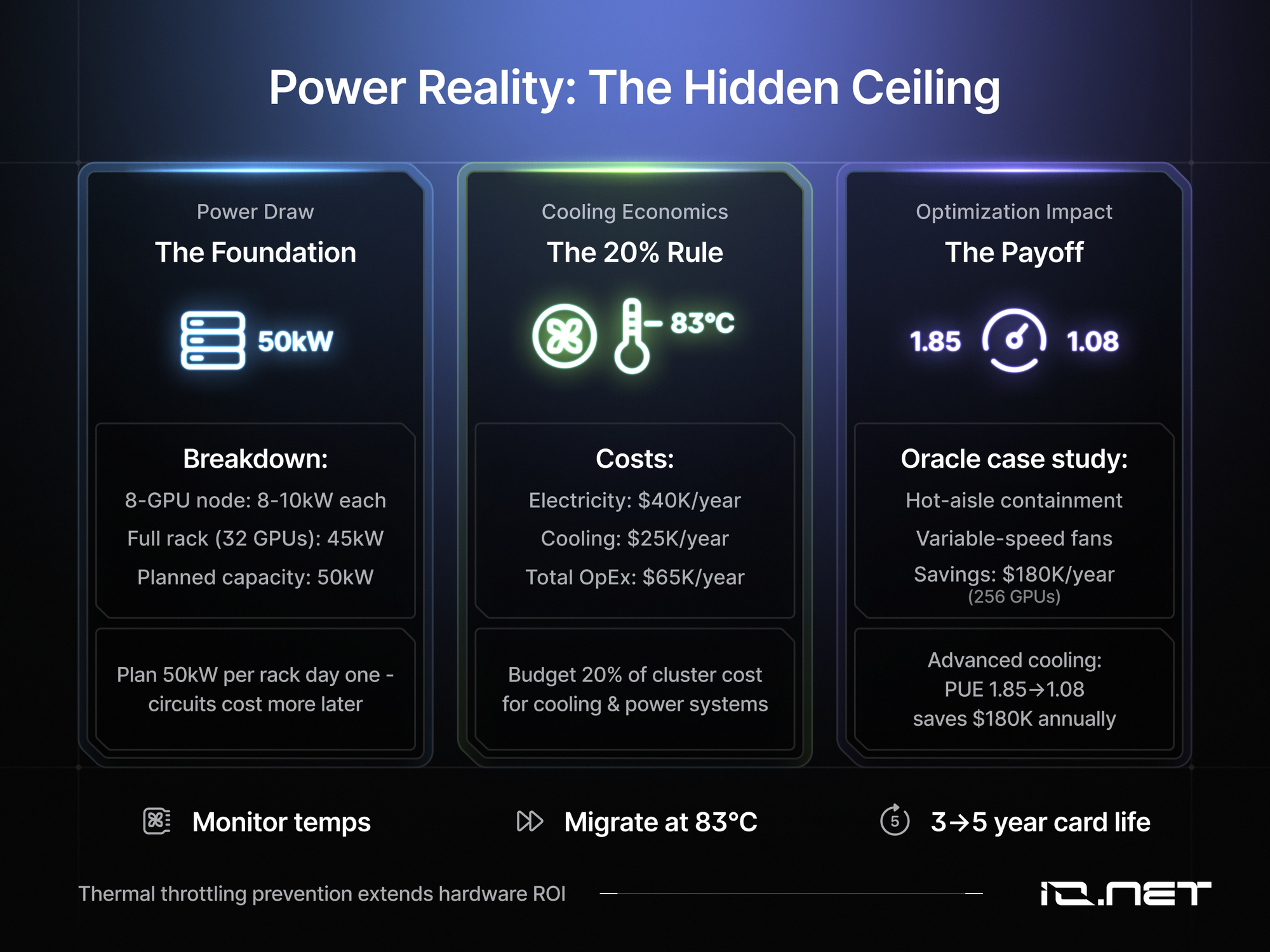
To hit those 20-50% yields, prioritize uptime above 95%, as slashing penalties erode gains. Optimize cooling; a 4090 at full tilt guzzles power, so factor electricity at $0.15/kWh against $1.42 RENDER rewards. Reddit miners swear by undervolting for efficiency, echoing Aethir’s cloud host playbook. My hybrid analysis? Track on-chain metrics like active nodes and TVL; Render’s steady $1.42 floor amid -7.19% dips suggests accumulation territory for patient providers.
[youtube_video: Passive Income with DePIN in 2026 by 100X Wealth, powering AI with idle GPUs]
GamerHash’s evolution nails accessibility: fire up their Earn Module on eligible GPUs, generate AI images or chat, and cash out flexibly. io. net mirrors this with spot pricing, letting you undercut competitors during lulls. Pro tip: run diagnostics pre-listing; networks reject faulty cards, wasting setup time. Platforms like these DePIN strategies stress multi-GPU farms for scale, turning basement rigs into revenue engines.
Key Steps to Launch GPU DePIN Monetization
-
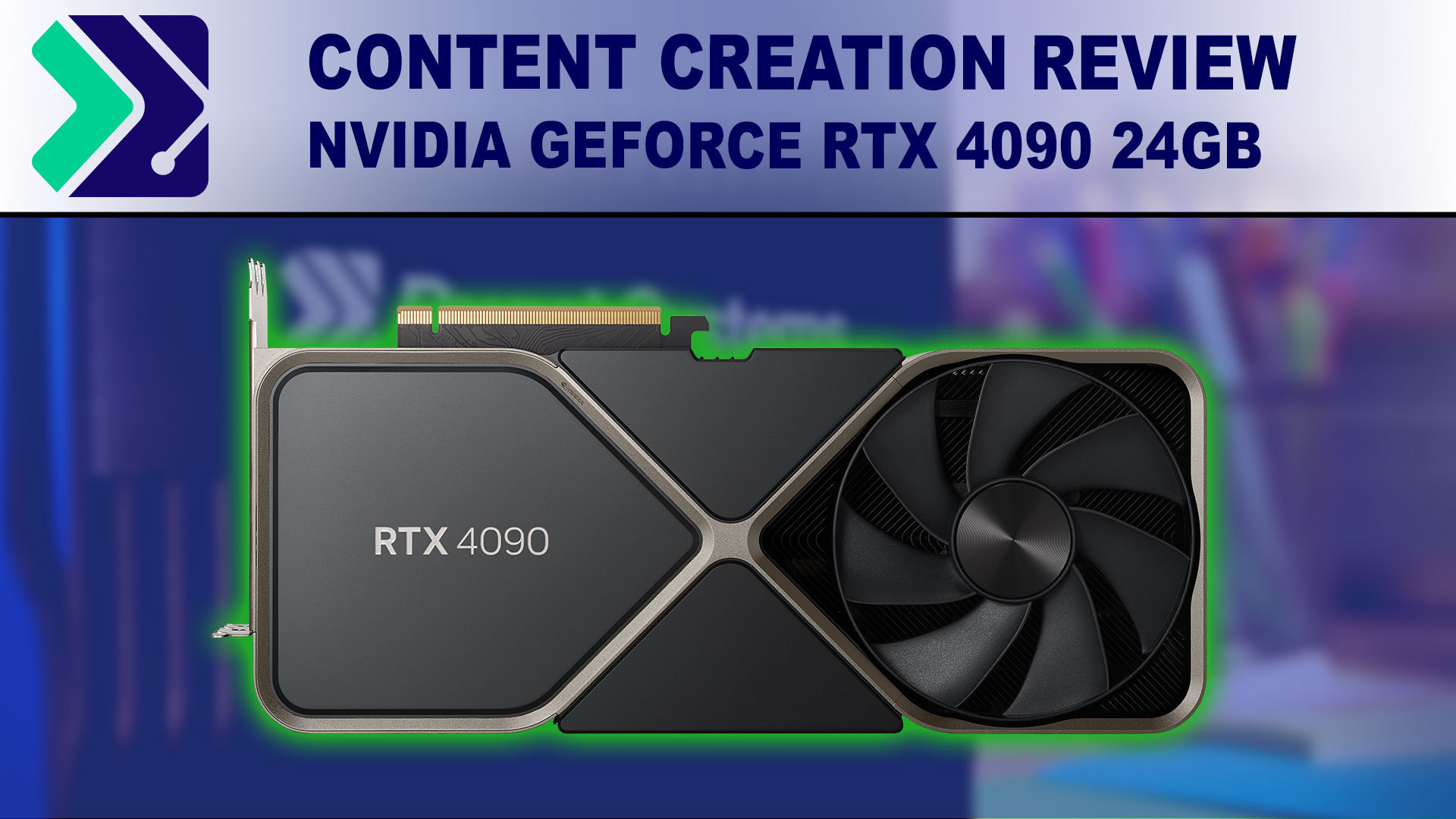
1. Verify RTX 30/40-series compatibility. Check your NVIDIA RTX 30 or 40 series GPU (e.g., 3080, 4090) meets Render Network and io.net requirements, typically 8GB+ VRAM and stable power supply.
-
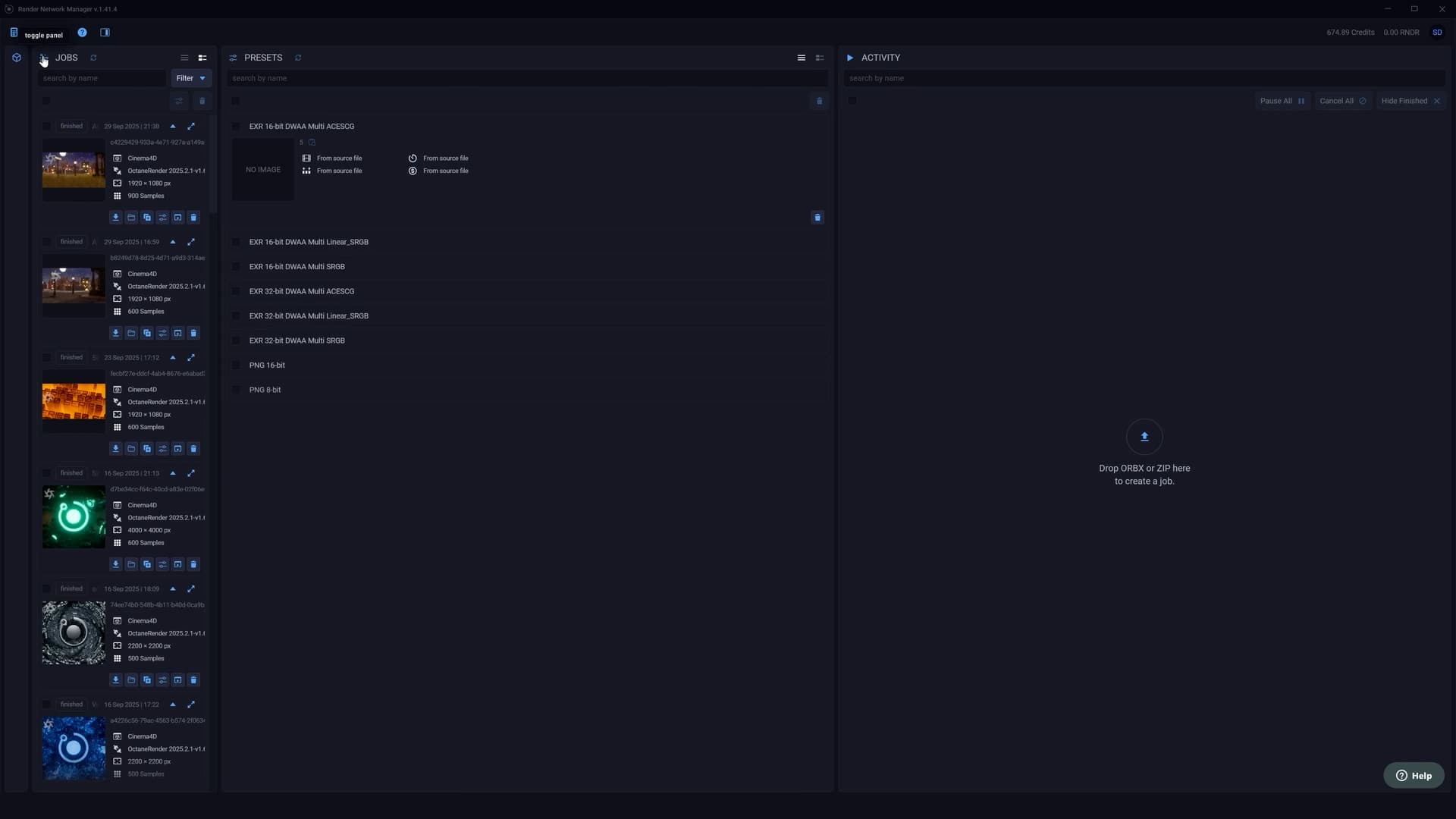
2. Install node software. Download Render Signal from Render Network or io.net agent from io.net official sites and follow installation guides for Windows/Linux.
-
3. Pass KYC/hardware attestation. Complete identity verification and GPU proof-of-hardware on platforms like Render and io.net to ensure eligibility and prevent fraud.
-
4. Set competitive rates. Configure your node’s pricing in the dashboard, benchmarking against market rates for RENDER or IO tokens to attract jobs.
-
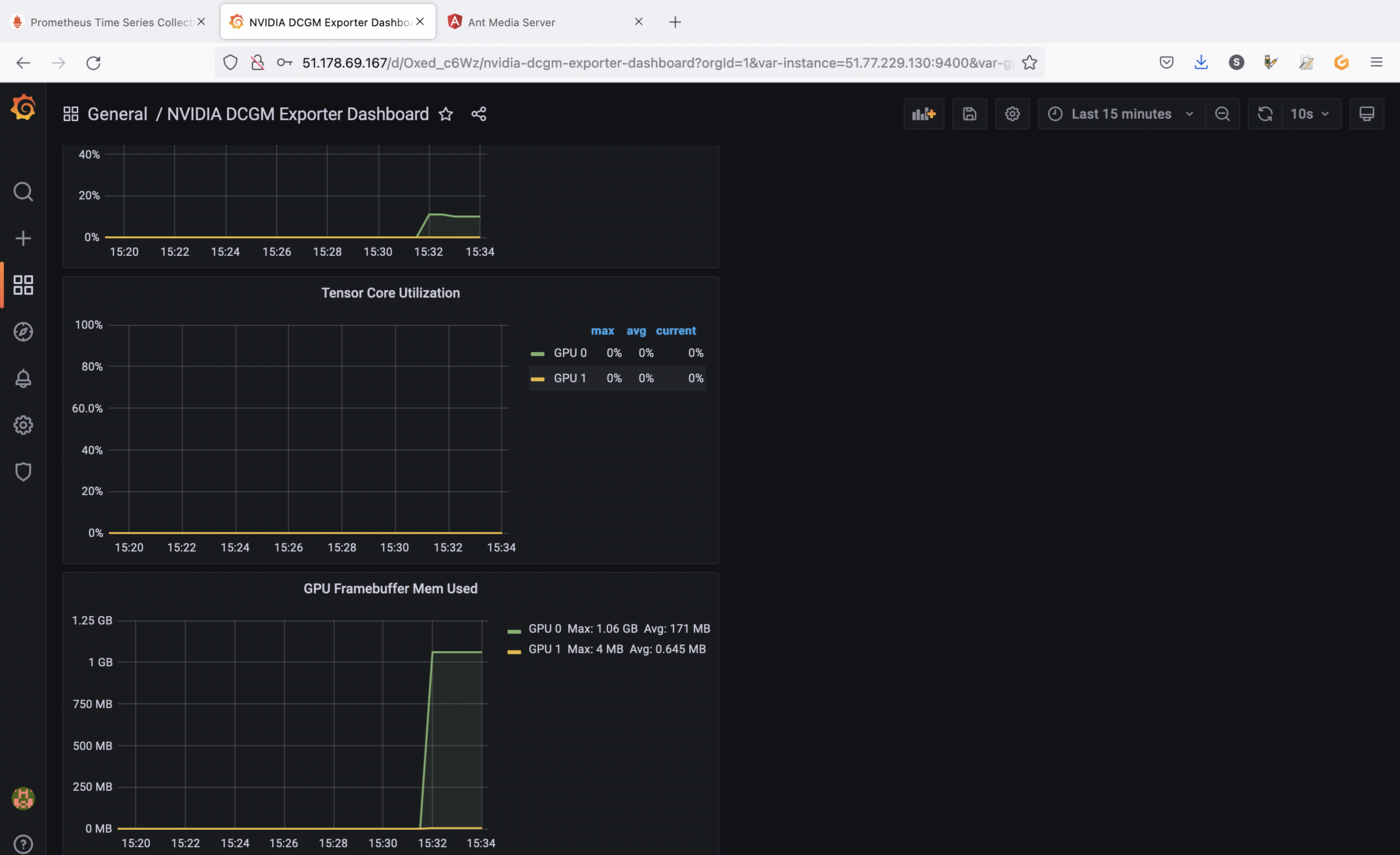
5. Monitor dashboard for jobs. Use Render or io.net dashboards to track incoming rendering/AI inference tasks, uptime, and earnings in real-time.
-
6. Reinvest tokens for compounding. Stake or hold earned RENDER ($1.42) or IO tokens to compound returns via network incentives and price appreciation.
-
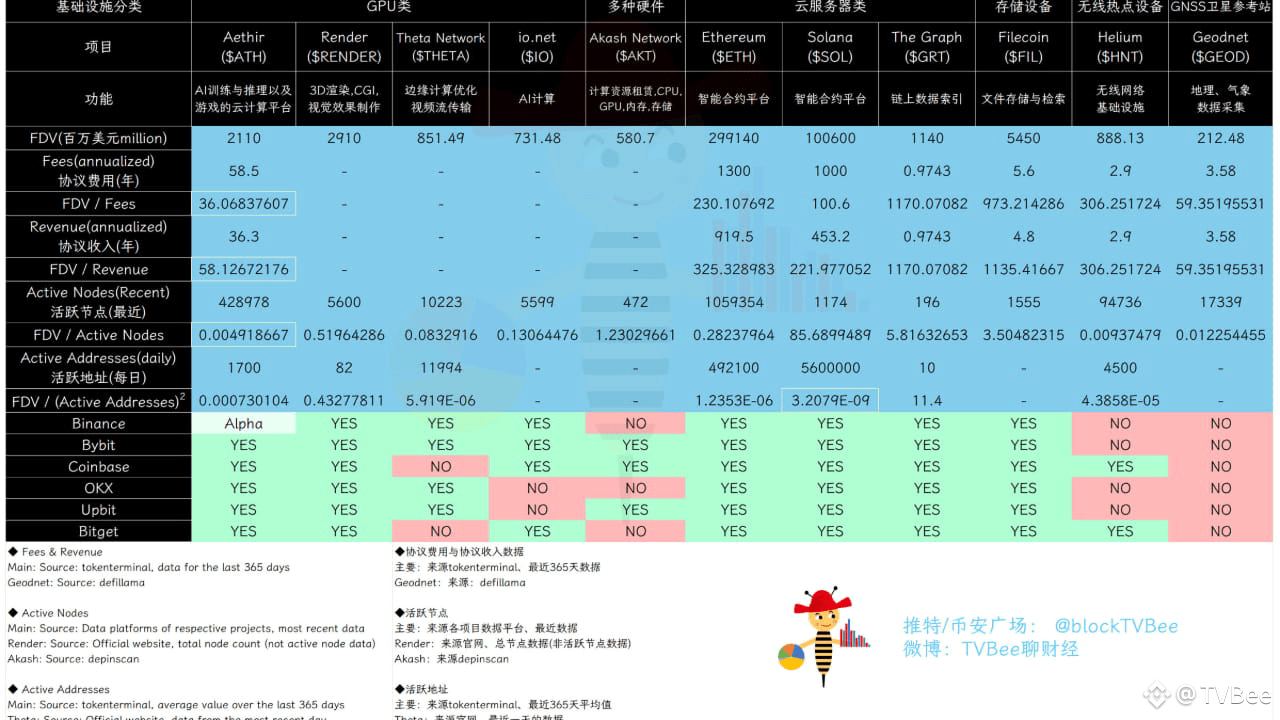
7. Diversify across platforms. Expand to Render, io.net, plus Aethir and GamerHash for AI/rendering jobs to maximize idle GPU utilization.
Real earnings vary: a single RTX 4090 might pull $1-3 daily on Render during peaks, per community benchmarks, scaling to $10 and in clusters. io. net’s AI focus spikes with model releases, as GamerHash updates highlight. Volatility bites, RENDER’s 24-hour low at $1.39 tests nerves, but DePIN’s utility buffers crashes better than pure speculation.
Risks and Resilience in GPU Sharing
Hardware wear tops concerns; fans spin eternally, but modern cards handle 24/7 with maintenance. Token dumps post-airdrops sting, yet burns and buybacks stabilize floors. Regulatory haze looms for DePIN, but tokenized compute sidesteps it via permissionless access. From my hedge fund days, I’d allocate 10-20% portfolio to GPU nodes, hedging with IO staking for non-hardware plays. Render at $1.42 embodies this balance: proven tech, liquid markets, real adoption.
Enter gpumarketdepin. com, the next evolution fusing Render’s rendering prowess with io. net’s AI scalability. This ultimate decentralized GPU marketplace connects providers worldwide, slashing costs 50-70% below AWS while rewarding with native tokens. Inspired by pioneers, it democratizes high-performance compute for all, your idle rig powers tomorrow’s breakthroughs.
Render vs io.net Earnings Snapshot (RTX 4090, Feb 2026)
| Metric | Render | io.net | |||
|---|---|---|---|---|---|
| GPU | RTX 4090 | RTX 4090 | |||
| Daily Earnings | $1.50-$3 | $2-$5 | |||
| Primary Tasks | Rendering | AI/ML | |||
| Annual Yield | 25-40% | 25-40% | |||
| Token | RENDER $1.42 | IO (est. volatile) | 24h Change | -7.19% | N/A |
2026’s DePIN boom favors early movers. With AI inference exploding and rendering pipelines decentralizing, GPU owners hold the keys. Stake your hardware, claim Render network GPU sharing and decentralized GPU rental rewards, and build wealth trustlessly. Hybrid intelligence isn’t theory; it’s your gaming PC paying dividends in a tokenized future.