
Bittensor TAO Subnets: Contributing GPU Compute to Decentralized AI Markets

In the evolving landscape of decentralized physical infrastructure networks, or DePIN, Bittensor stands out as a pioneer in fusing blockchain with machine intelligence. At its core, Bittensor’s subnets offer a compelling avenue for GPU owners to contribute compute power to a decentralized AI marketplace, earning TAO rewards in the process. With TAO trading at $189.26, down 3.23% over the last 24 hours, the network’s momentum persists amid broader market fluctuations, underscoring the strategic value of Bittensor TAO GPU participation.

Bittensor reimagines AI development not as a centralized monopoly but as a competitive, open ecosystem. Subnets act as specialized mini-networks where miners deploy GPUs for tasks ranging from model training to inference. This setup democratizes access to high-performance computing, much like how Render or io. net connect providers and consumers, but with a sharper focus on intelligence markets. As GPU scarcity bites into traditional cloud providers, Bittensor’s model incentivizes individuals to plug in their hardware, transforming idle gaming rigs into revenue-generating nodes.
Bittensor’s Expanding Subnet Ecosystem
By February 2026, Bittensor has scaled to 256 active DePIN AI subnets, a doubling from the prior year, signaling robust growth and institutional adoption. Projects like Chutes on Subnet 64 boast over 4,000 GPUs, delivering serverless AI compute for instant model deployments. ComputeHorde complements this by specializing in trusted GPU resources for AI validation, ensuring reliability in a trustless environment. These subnets aren’t mere experiments; they form the backbone of a network processing millions of tokens daily, as seen in Rayon Labs’ inference subnet handling over 12 million tokens.
Top Bittensor Subnets for GPU Compute
| Subnet # | Name | Focus | GPUs/Scale |
|---|---|---|---|
| 64 | Chutes | Serverless AI Compute | 4,000+ GPUs |
| N/A | ComputeHorde | Trusted GPU Resources for AI Validation | N/A |
| 3rd | Rayon Labs | General-Purpose Inference | 12M tokens/day |
This expansion reflects Bittensor’s maturity. Miners contribute to peer-to-peer intelligence markets, training machine learning models and earning tokens based on performance. It’s a far cry from Web2 clouds, where providers dictate terms; here, value creation directly translates to TAO rewards compute.
Contributing Your GPU: From Setup to Rewards
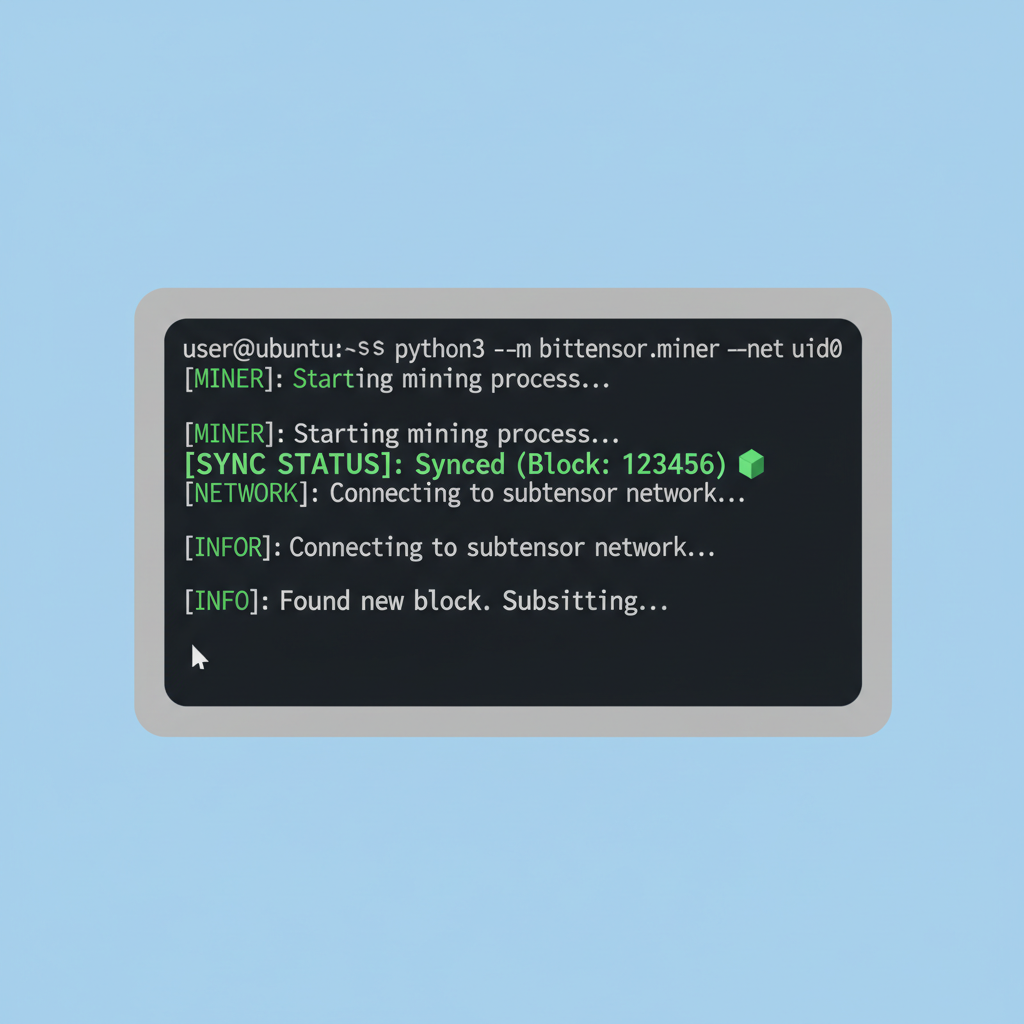
Entering the Bittensor ecosystem as a GPU provider is straightforward, even for those with gaming PCs. Miners stake TAO to register on a subnet, then run validator or miner nodes using provided software. No DevOps wizardry required; tutorials simplify setup, explaining it like you’re new to crypto. Once online, your hardware tackles tasks like general-purpose inference or model training, competing in open markets where superior outputs yield higher emissions.
Take the Templar subnet: it recently trained a 1.2-billion-parameter model across roughly 200 cards, pushing decentralized AI frontiers. Contributors benefit from Bittensor’s incentive alignment, where performance dictates rewards. This GPU contribute Bittensor dynamic not only offsets hardware costs but positions owners at the vanguard of AI evolution. As one analysis notes, subnets like those from Rayon Labs integrate seamlessly with broader AI pipelines, processing vast data volumes efficiently.

Dynamic TAO: Fueling Subnet Performance
The Dynamic TAO (dTAO) upgrade marks a pivotal shift, tying emissions directly to subnet utility and introducing alpha tokens for liquidity incentives. This decentralizes decision-making, rewarding high-performing DePIN AI subnets while curbing underperformers. NATIX’s subnet exemplifies this, leveraging dTAO for performance-aligned rewards in decentralized AI applications.
Institutional backing amplifies the thesis. Digital Currency Group’s Yuma subsidiary now incubates subnets, providing infrastructure for on-chain AI. Such developments fortify Bittensor’s position, making it a cornerstone for crypto-AI intersections. GPU providers gain from this flywheel: more adoption means higher task demand, amplifying TAO earnings potential.
Bittensor (TAO) Price Prediction 2027-2032
Forecasts based on subnet expansion, DePIN trends, decentralized AI adoption, and market cycles from current 2026 price of $189
| Year | Minimum Price | Average Price | Maximum Price | YoY % Change (Avg from Prev) |
|---|---|---|---|---|
| 2027 | $250 | $450 | $750 | +125% |
| 2028 | $400 | $850 | $1,600 | +89% |
| 2029 | $650 | $1,350 | $2,500 | +59% |
| 2030 | $1,000 | $2,200 | $4,000 | +63% |
| 2031 | $1,500 | $3,300 | $6,000 | +50% |
| 2032 | $2,200 | $4,800 | $9,000 | +45% |
Price Prediction Summary
Bittensor (TAO) is positioned for robust growth through 2032, driven by 256+ active subnets, dTAO incentives, institutional involvement like DCG’s Yuma, and surging AI/DePIN demand. Average prices could rise from $450 in 2027 to $4,800 by 2032 in bullish scenarios, with min/max reflecting bearish regulatory risks and hyper-adoption potentials amid crypto cycles.
Key Factors Affecting Bittensor Price
- Subnet expansion (e.g., Chutes with 4,000+ GPUs, ComputeHorde) and Dynamic TAO (dTAO) performance-based emissions
- Institutional adoption and infrastructure (DCG’s Yuma, liquidity via alpha tokens)
- DePIN/AI market growth: GPU compute for ML training/inference, competing in open markets
- Crypto market cycles: Bull runs post-2028 halving eras, AI narrative strength
- Regulatory developments: Favorable clarity boosts adoption; hurdles cap mins
- Technological upgrades: rApps, consumer device mining, competition from other DePIN/AI projects
- Market cap potential: Scaling to billions via real-world AI utility and emissions schedule
Disclaimer: Cryptocurrency price predictions are speculative and based on current market analysis.
Actual prices may vary significantly due to market volatility, regulatory changes, and other factors.
Always do your own research before making investment decisions.
Yet, strategic patience is key. As a long-term investor, I view Bittensor’s subnet dynasty through a multi-year lens. Economic incentives decode a future where decentralized compute supplants centralized giants, with GPU contributions as the entry point. Subnets like those powering rApps extend this to consumer devices, broadening participation sans elite hardware.
OAK Research highlights prime investment angles via top subnets, while DePIN Scan maps projects enabling ML training rewards. This convergence of incentives, utility, and scale positions Bittensor TAO as a macro trend worth watching closely.
Participating in Bittensor’s subnets demands more than plugging in hardware; it requires aligning with high-utility niches where demand outpaces supply. Rayon Labs’ third subnet, for instance, processes over 12 million tokens daily through general-purpose inference, offering GPU owners a steady stream of tasks. Similarly, projects like NATIX integrate dTAO to fine-tune emissions with real-world performance, creating resilient reward mechanisms in the decentralized AI marketplace.
Strategic Edges for GPU Contributors
Contributors thrive by selecting subnets that match their hardware strengths. Gaming PCs with NVIDIA RTX series cards excel in inference-heavy environments, while data center-grade GPUs dominate training workloads. The network’s peer-to-peer structure ensures miners compete on merit, with validators scoring outputs to distribute TAO fairly. This meritocracy fosters innovation; Templar’s feat of training a 1.2-billion-parameter model on 200 cards demonstrates how collective compute scales ambitiously.
Dynamic TAO elevates this further by introducing alpha tokens, which bootstrap liquidity for promising subnets. High performers capture more emissions, creating a Darwinian selection where only robust DePIN AI subnets endure. Institutional plays like Yuma from DCG signal conviction, channeling resources into subnet incubation and on-chain AI infrastructure. For GPU providers, this translates to amplified task volumes and sustained TAO rewards compute.
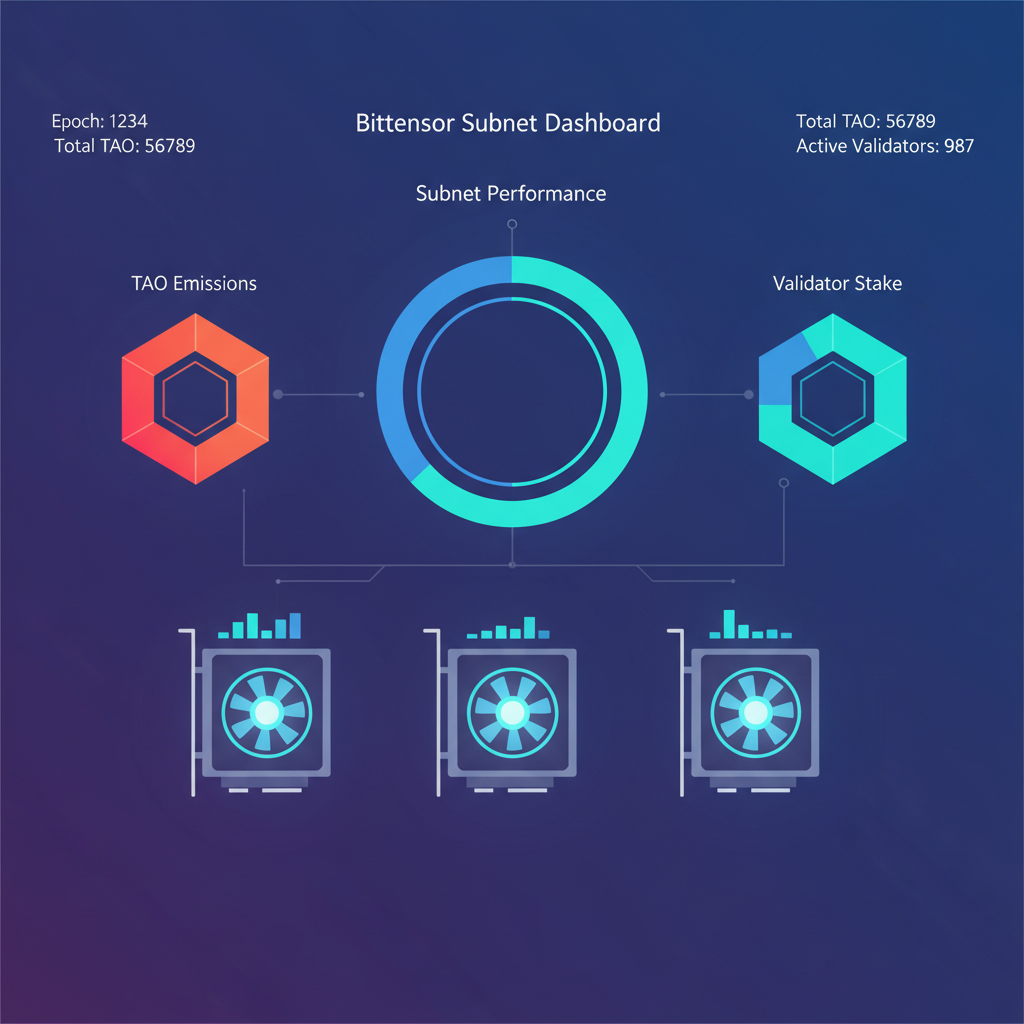
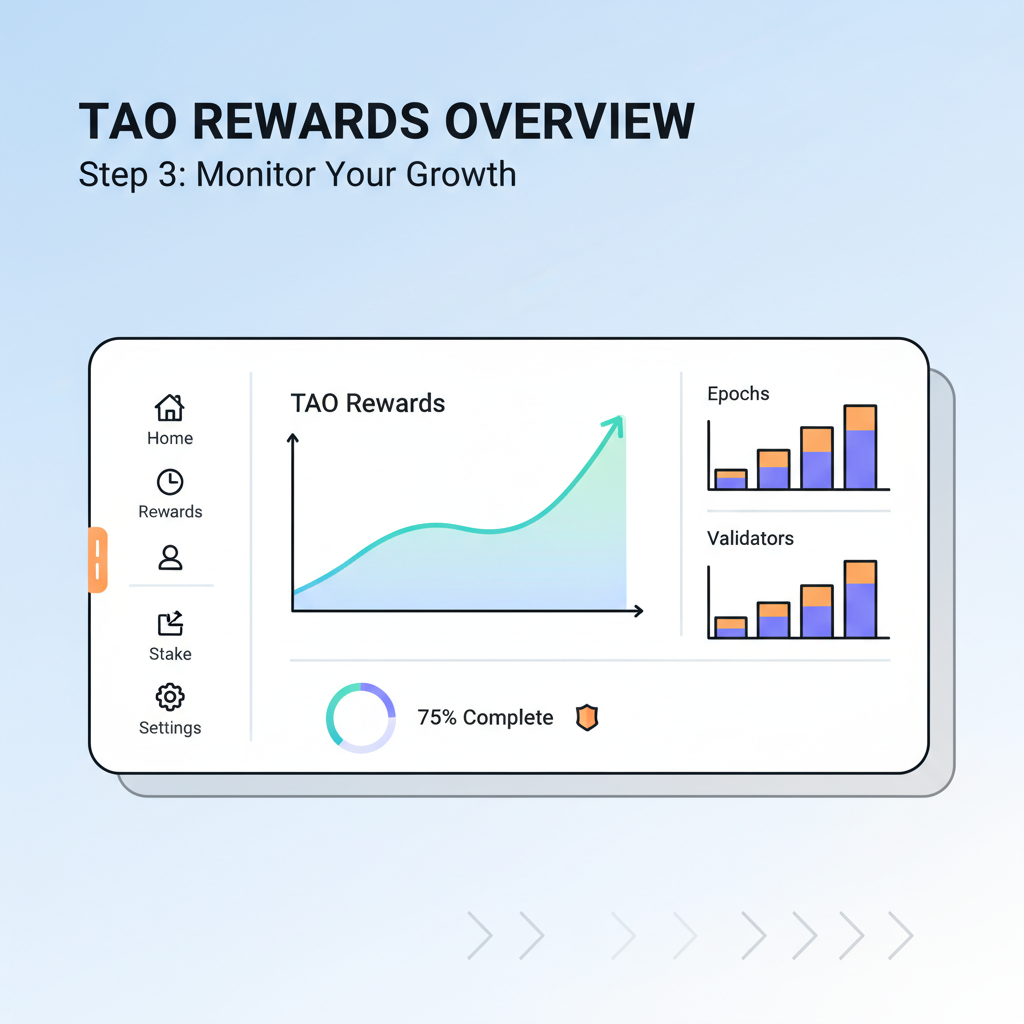
Yet success hinges on execution. Miners must monitor subnet emissions via dashboards, stake judiciously, and optimize node uptime. Consumer-friendly rApps lower barriers further, allowing even non-GPU devices to contribute lightweight tasks. This inclusivity broadens the base, much like how DePIN pioneers expand compute frontiers globally.
Strategic Mining: Earn TAO with Your Gaming PC on Bittensor Subnets



Risks and Long-Term Positioning
Volatility shadows opportunity. With TAO at $189.26 after a 3.23% dip, short-term swings test resolve, but subnet growth to 256 active networks underscores durability. Centralization risks linger if top validators dominate, though dTAO counters this by democratizing allocations. GPU owners face hardware depreciation and electricity costs, offset by rewards that, in peak subnets, rival cloud rental yields.
From my vantage as a 20-year macro investor, Bittensor embodies the DePIN thesis: infrastructure commoditized via tokens. Subnets mirror specialized exchanges in a vast intelligence bazaar, where Bittensor TAO GPU contributions fuel the next AI paradigm. Compare to centralized hyperscalers; their opacity contrasts Bittensor’s transparency, where every compute cycle earns verifiable value.
Chutes’ 4,000-GPU arsenal and ComputeHorde’s validation focus exemplify maturity. As institutional adoption swells, expect subnet specialization to deepen, from edge inference to autonomous optimization. Providers who stake early on outperformers position for compounded gains.
Bittensor’s trajectory invites patience. Economic models decode sustained value accrual, with subnets as the proving ground for decentralized machine intelligence. GPU owners stepping in today anchor the network’s ascent, reaping rewards as AI demand surges worldwide.