

In 2026, the AI revolution marches on, but it's hitting a wall: GPU shortages that throttle innovation at every turn. High-end chips like NVIDIA's H100 and the hyped Blackwell series remain elusive, gobbled up by hyperscalers with deep pockets and long-term contracts. Smaller teams, independent researchers, and even mid-sized enterprises scramble for scraps, facing waitlists stretching months and cloud bills that devour budgets. Enter DePIN GPU marketplaces, the decentralized antidote turning idle GPUs worldwide into a shared reservoir of compute power. Platforms like these don't just patch the gap; they redefine how we think about resource allocation in an AI-driven world.
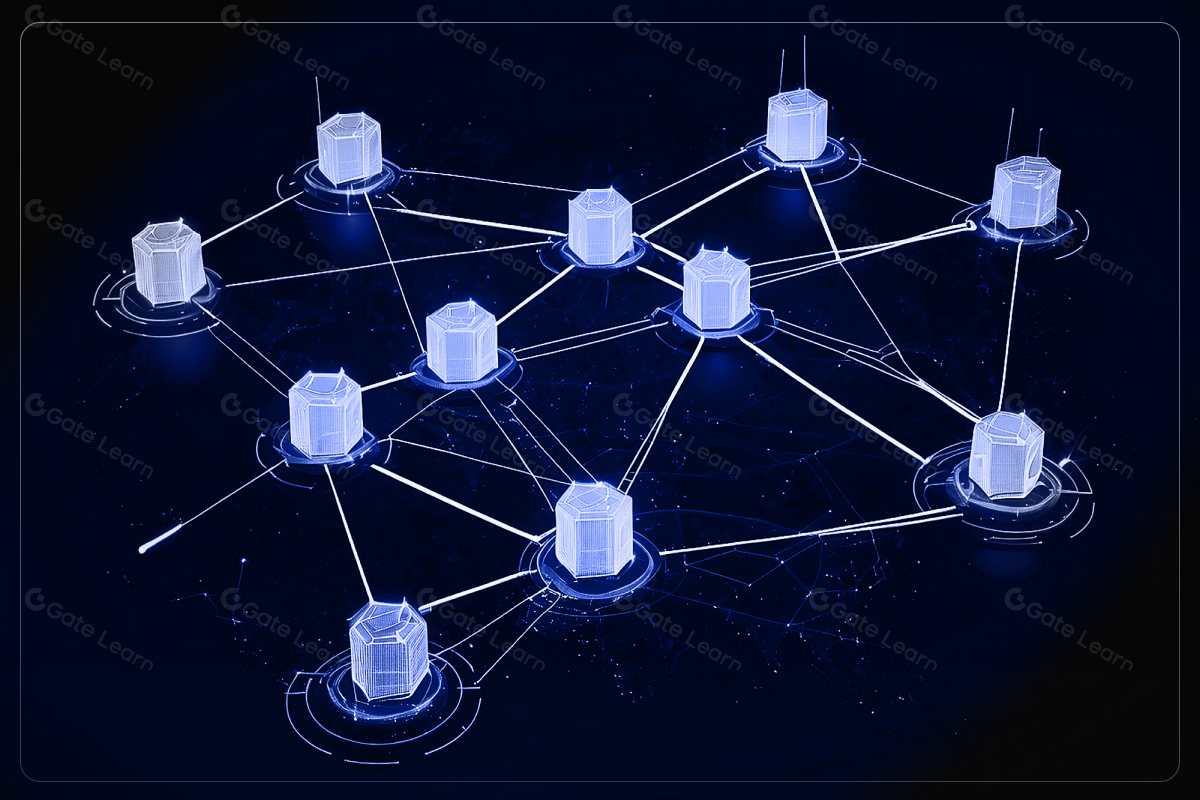
The crisis isn't abstract. Demand for AI training has skyrocketed with multimodal models demanding unprecedented flops, yet supply chains choke on high-bandwidth memory shortages and geopolitical tensions over chip fabrication. Traditional clouds like AWS or Azure prioritize their biggest clients, leaving the rest to overpay for spot instances or settle for inferior hardware. This bottleneck stifles breakthroughs in fields from drug discovery to climate modeling, where every hour of compute counts.
The Anatomy of Today's GPU Crunch
By February 2026, reports confirm major providers have locked in multi-year GPU allocations, sidelining everyone else. Costs for H100 rentals have spiked, often exceeding $40 per hour in premium setups, pricing out all but the elite. Meanwhile, millions of GPUs sit dormant: gamers' RTX cards during off-hours, enterprise workstations overnight, even data centers with excess capacity. This mismatch screams for a better system, one that incentivizes sharing through crypto rewards and smart contracts.
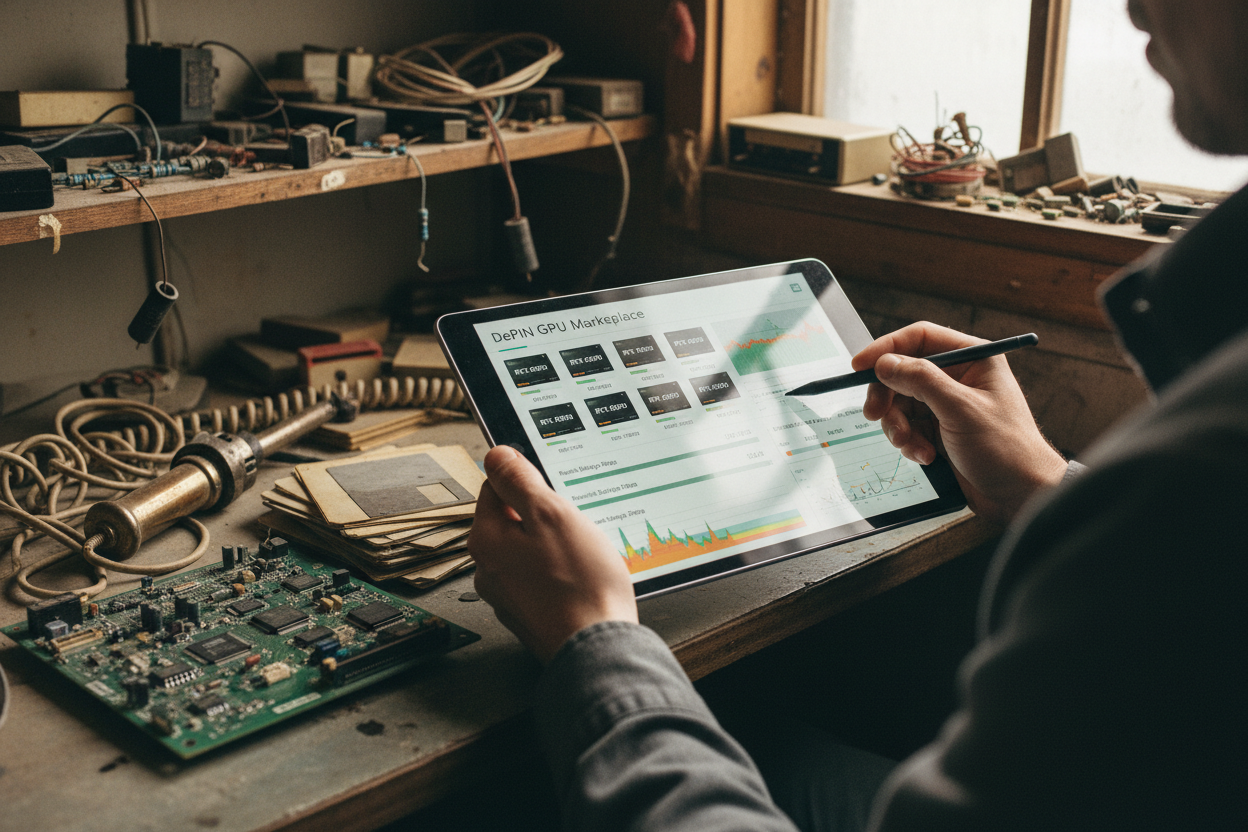
DePIN GPU marketplaces address this head-on by creating peer-to-peer networks. Providers list their hardware, consumers bid in real-time, and blockchain ensures trustless execution. No middlemen, no gatekeeping-just pure, efficient matching of supply and demand. It's decentralized GPU sharing at scale, slashing costs by up to 85% as seen in networks like Fluence, while boosting utilization rates from single digits to over 70%.

How DePIN Unlocks Idle Compute Power
Picture this: your gaming rig earns crypto while you sleep, fueling an AI startup's model training across the globe. That's the promise of rent idle GPU earn crypto models powering DePIN. These platforms verify hardware via on-chain proofs, match jobs to compatible GPUs, and handle payments atomically. Reliability comes from redundancy-jobs span multiple nodes, mitigating downtime risks inherent in decentralization.
Security and performance variability? Early hurdles, sure, but innovations like zero-knowledge proofs for job integrity and AI-driven node scoring are closing the gap. Compare this to centralized alternatives: DePIN offers not just cheaper AI compute shortage DePIN relief, but resilience against outages or vendor lock-in. It's a marketplace where anyone can participate, democratizing what was once a walled garden.
Key DePIN GPU Advantages
- Up to 85% cost savings vs. traditional clouds like AWS, via platforms like Fluence Network.

- Global accessibility for developers, tapping decentralized GPU pools worldwide.
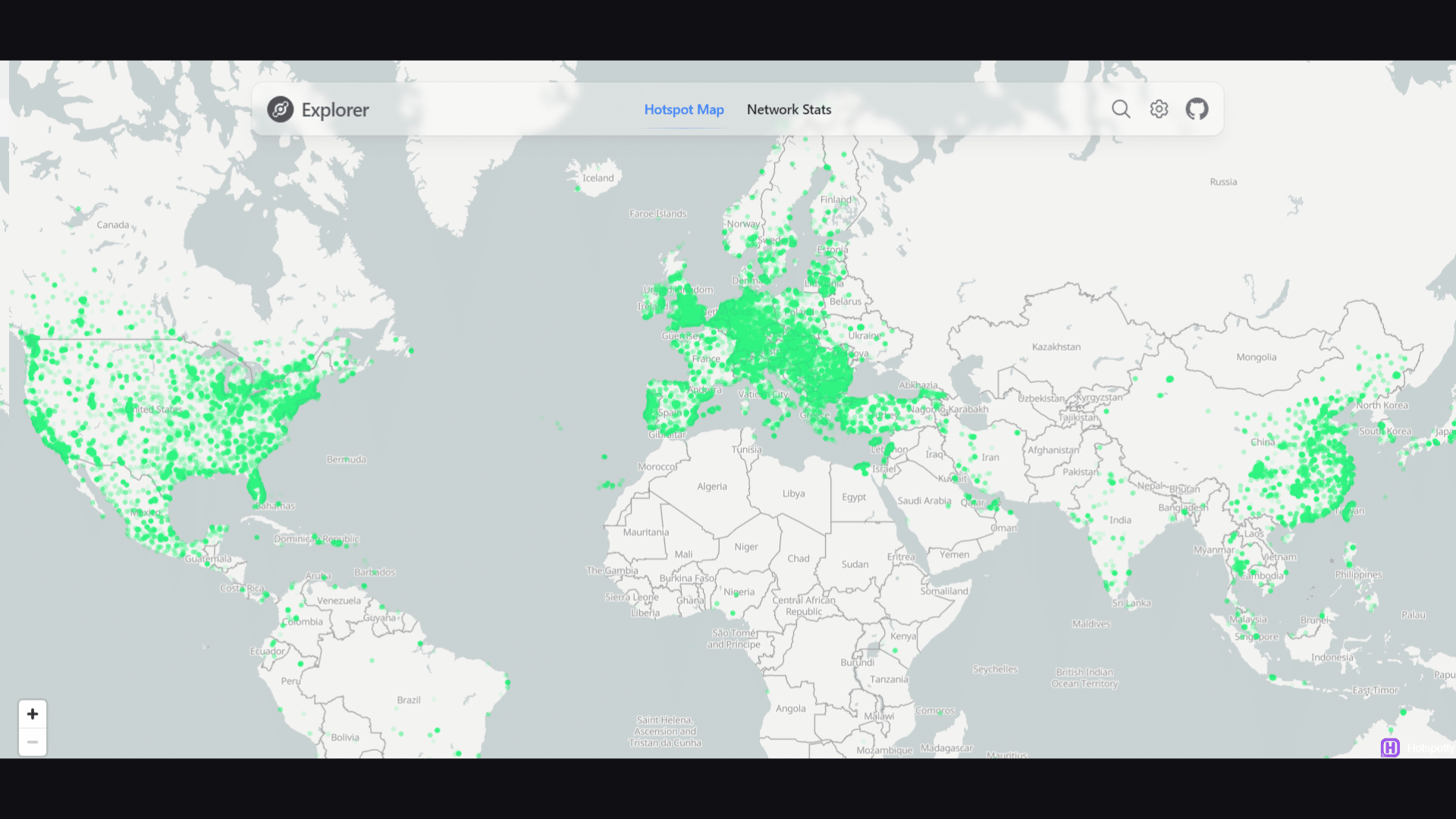
- Crypto incentives reward providers for sharing idle GPUs, e.g., on io.net.
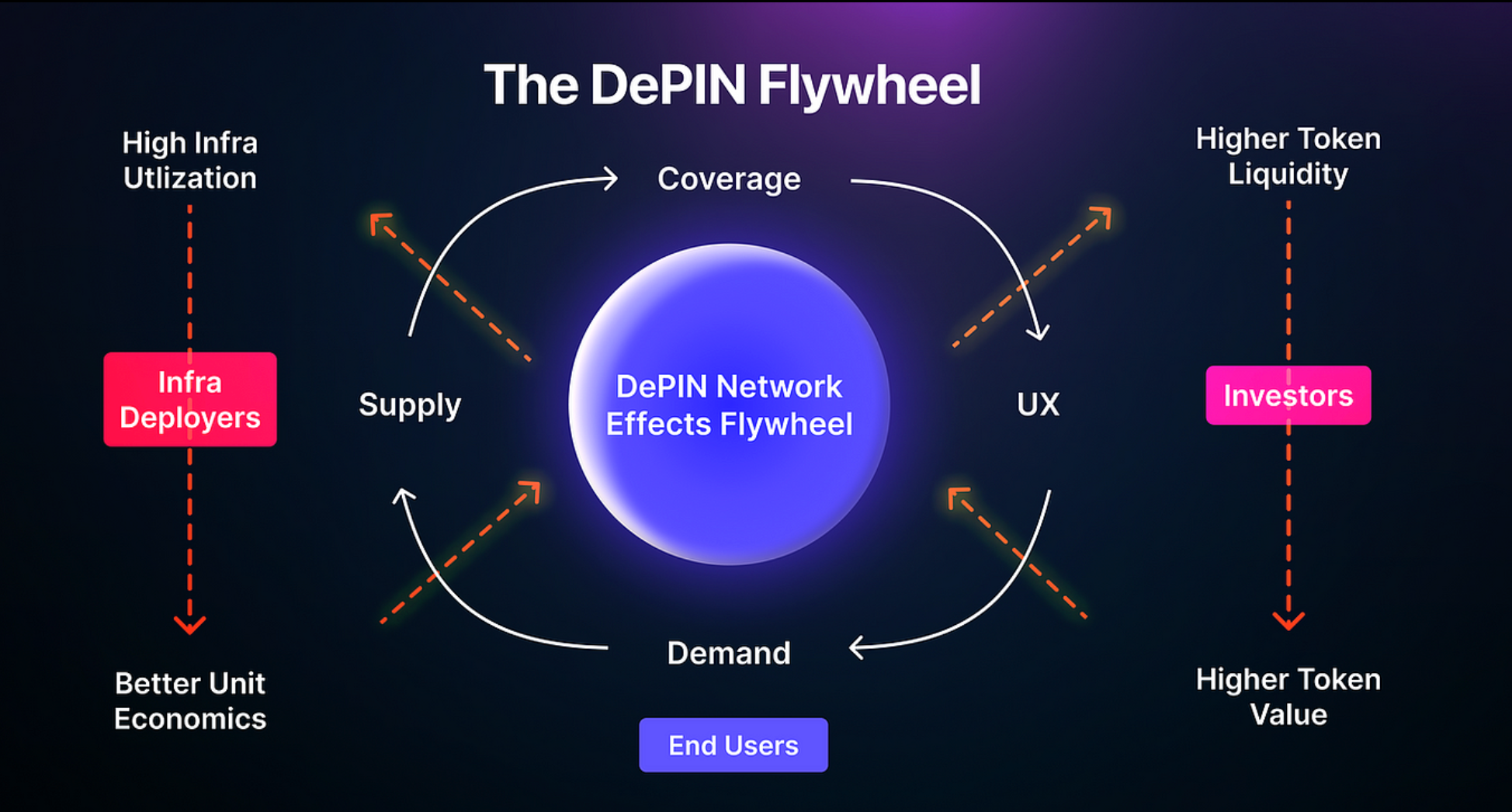
- Scalable on-demand compute for real-time AI workloads without long-term contracts.

- Alternatives to AWS rigidity, democratizing access beyond Big Tech gatekeeping.
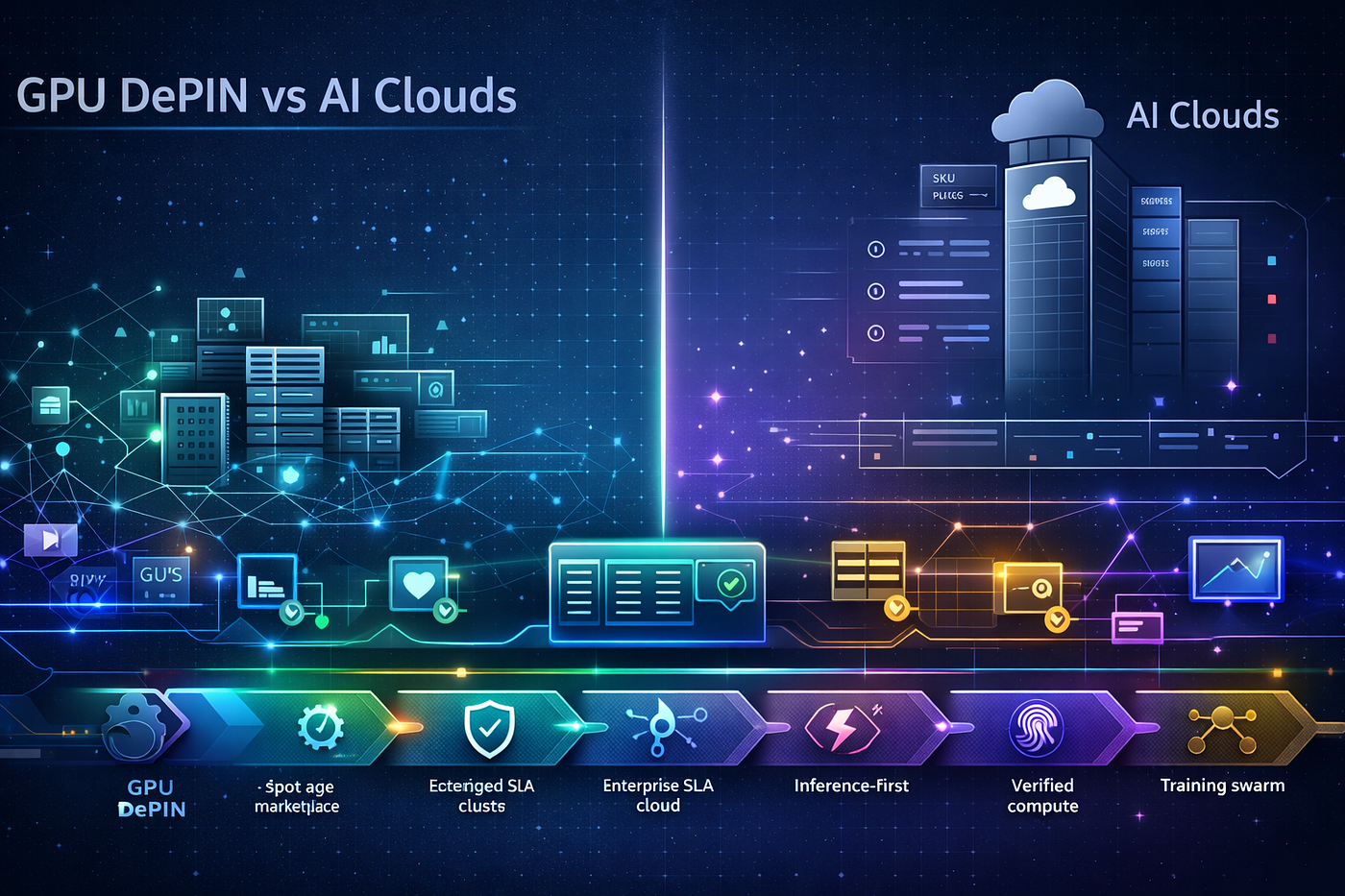
Trailblazers Shaping the DePIN Landscape
io. net leads with its 'Internet of GPUs, ' aggregating vast clusters for AI workloads and slashing inference costs dramatically. They've partnered with clusters worldwide, proving decentralized networks can rival centralized behemoths in speed and scale. Render Network, a veteran in the space, extends its rendering prowess to general AI compute, rewarding node operators with RNDR tokens.
Fluence Network stands out for GPU cloud at fraction-of-the-cost pricing, targeting enterprise needs with serverless vibes. Aethir redistributes idle enterprise GPUs for AI and gaming, bridging high-performance niches. peaq builds blockchain foundations for DePIN, enabling seamless AI integrations. And don't overlook emerging players like gpumarketdepin. com, the ultimate decentralized GPU marketplace pioneering scalable resources for training, rendering, and beyond-inspired by Render and io. net, it's connecting providers and consumers in a trustless ecosystem.
These platforms aren't hype; they're live solutions tackling real pain points. Fluence's cost reductions and Aethir's enterprise focus show DePIN's maturity, while io. net's growth underscores investor confidence from backers like Multicoin Capital.
Yet as these networks scale, questions linger about their staying power. Fluence's serverless model sidesteps some issues with containerized workloads, while Aethir's enterprise-grade validations ensure consistent SLAs. peaq's DePIN stack adds robust interoperability, letting AI apps plug into modular compute layers without friction. In my view, after years tracking on-chain metrics, the real edge lies in hybrid governance-blending DAOs with performance oracles to weed out underperformers dynamically.
Overcoming Hurdles in Decentralized Reliability
Performance variability tops the critique list, with node heterogeneity leading to uneven latencies. But 2026 updates tell a maturing story: Fluence's up to 85% cost cuts come backed by redundancy protocols, distributing jobs across vetted clusters. Security? Zero-knowledge attestations now prove job completion without exposing data, and slashing mechanisms deter malice. I've seen centralized clouds falter under DDoS or quota caps; DePIN's distribution builds antifragility, turning potential weaknesses into distributed strengths. Still, standardization lags-nodes must converge on formats like ONNX for seamless AI handoffs.
Proven DePIN GPU Reliability Strategies
- ZK Proofs for Verification: Zero-knowledge proofs cryptographically verify GPU task execution without exposing data, building trust in decentralized networks.
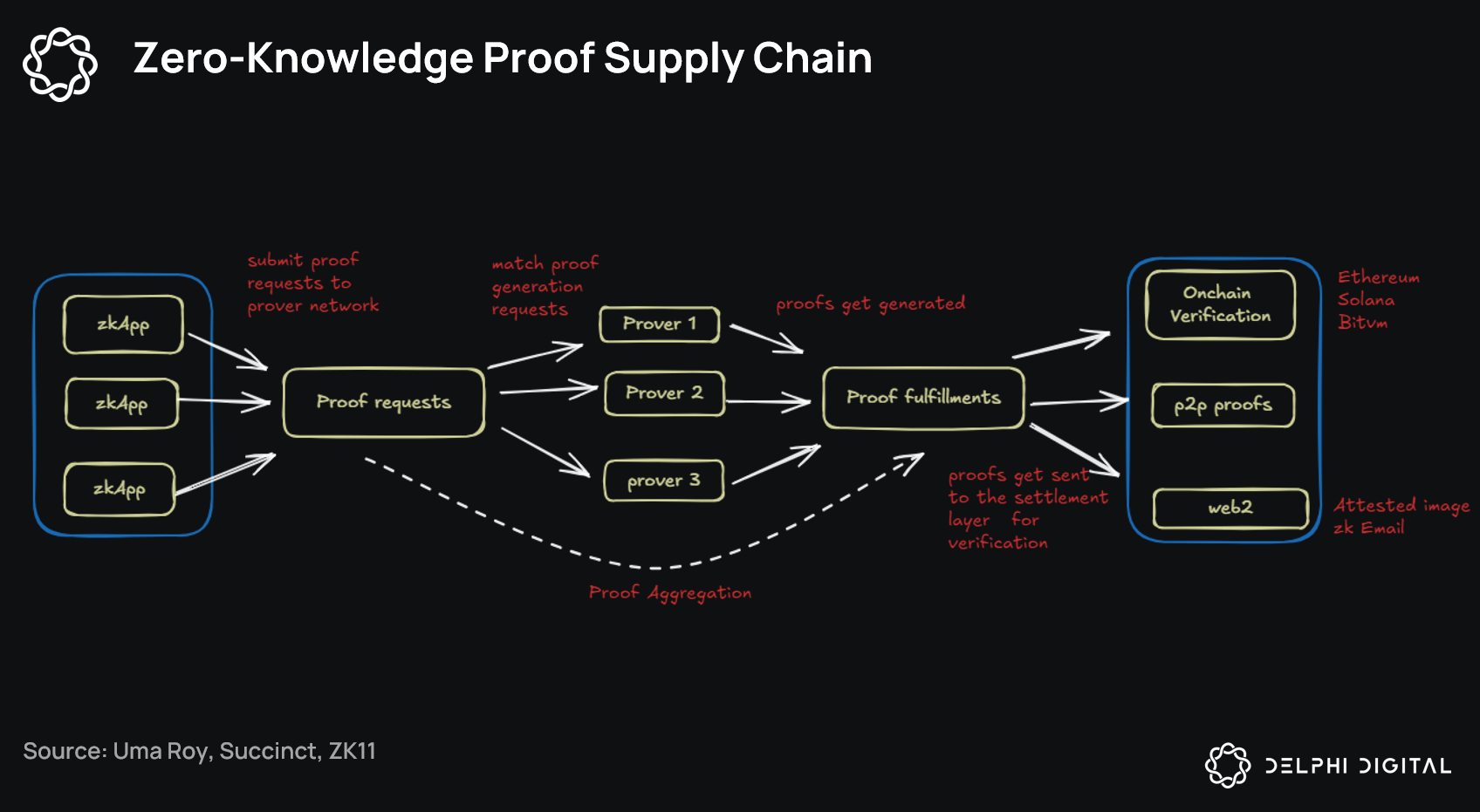
- AI Node Scoring: ML-driven reputation systems evaluate node performance and uptime, prioritizing reliable providers as in io.net.
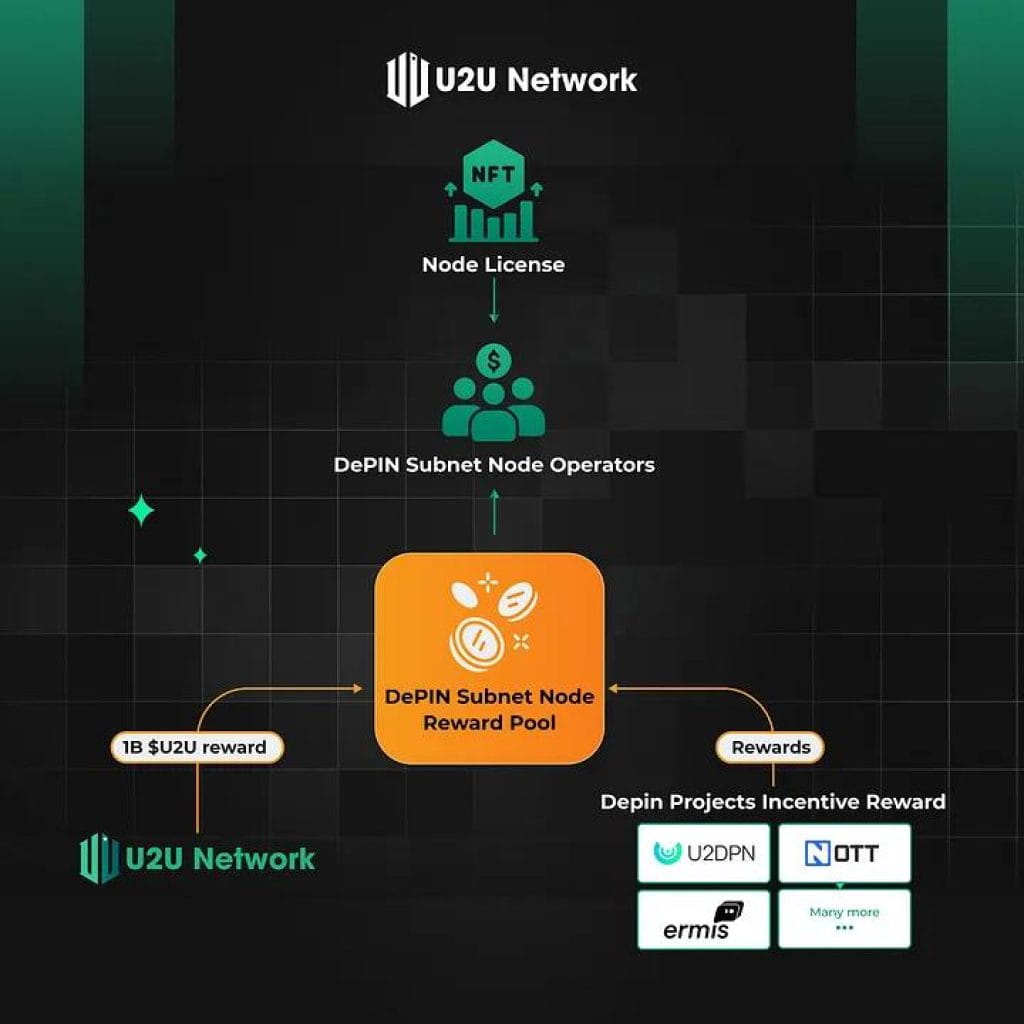
- Job Redundancy Across Clusters: Replicating workloads over multiple nodes and clusters ensures completion despite failures, boosting availability.
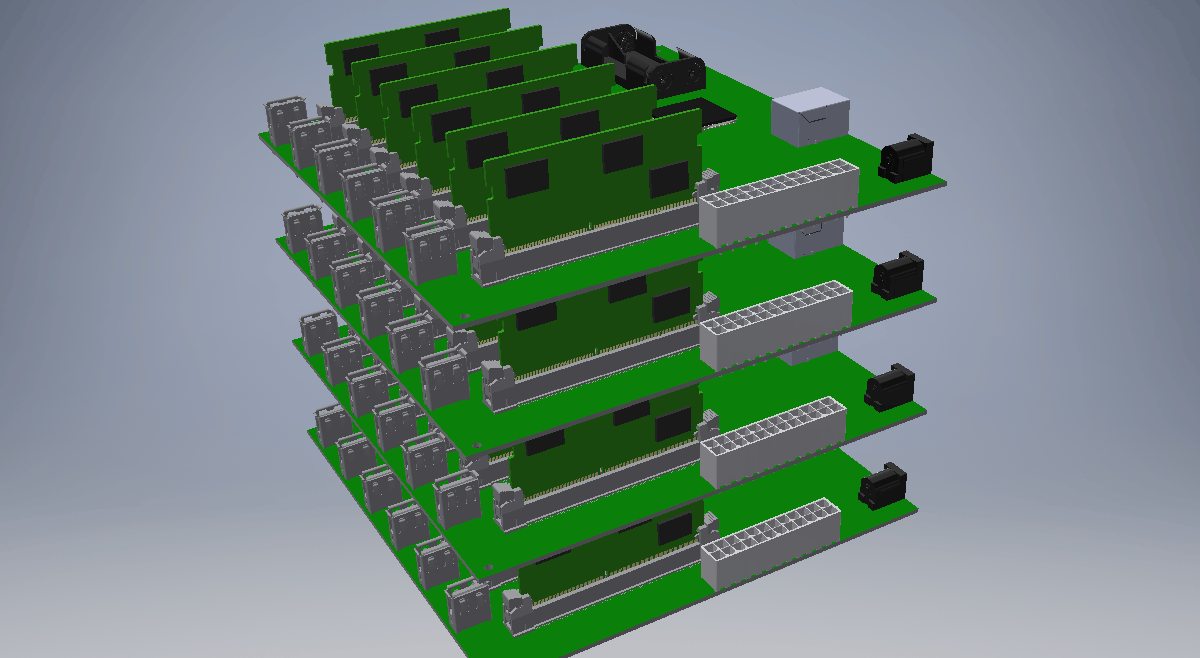
- Slashing for Downtime: Stake penalties for offline or faulty nodes incentivize uptime, mirroring proof-of-stake security models.
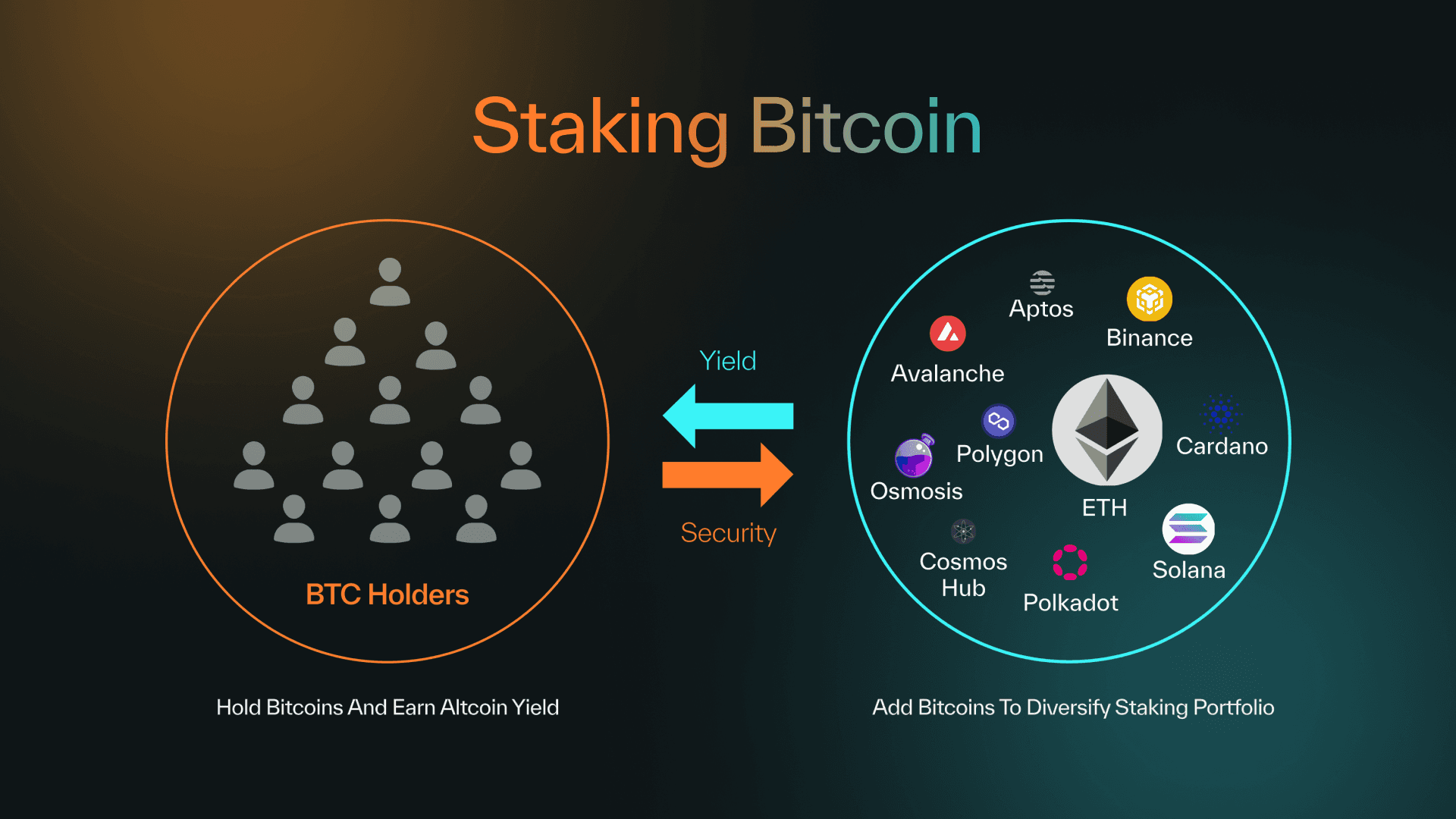
- Standardized Compute Formats: Formats like ONNX enable consistent execution on diverse GPUs, minimizing compatibility barriers.
Regulatory shadows loom too, as governments eye crypto incentives. Yet proponents argue DePIN fosters energy-efficient compute, repurposing idle silicon over new fabs guzzling power. Balancing these forces will define winners.
Token Performance: Gauging DePIN Momentum
Market signals affirm traction. Backers like Multicoin Capital poured into io. net for its marketplace mechanics, mirroring Render's proven rendering pivot to AI. These tokens reward alignment-providers stake for priority slots, consumers pay in native assets for frictionless bids. Amid AI hype, DePIN tokens have decoupled from broader crypto volatility, driven by real utility in AI compute shortage DePIN relief.
DePIN GPU Leaders: 6-Month Price Performance Comparison
Render (RNDR) vs. io.net (IO), Aethir (ATH), peaq (PEAQ), and benchmarks Bitcoin (BTC), Ethereum (ETH) amid AI compute shortages (Data: 2026-02-12)
| Asset | Current Price | 6 Months Ago | Price Change |
|---|---|---|---|
| Render (RNDR) | $1.30 | $1.50 | -13.3% |
| io.net (IO) | $0.1042 | $0.1200 | -13.2% |
| Aethir (ATH) | $0.0874 | $0.0950 | -8.0% |
| peaq (PEAQ) | $0.0182 | $0.0200 | -9.1% |
| Bitcoin (BTC) | $66,963.00 | $65,000.00 | +3.0% |
| Ethereum (ETH) | $1,960.92 | $1,800.00 | +8.9% |
Analysis Summary
DePIN GPU leaders have underperformed over the past six months with declines of 8.0% to 13.3%, while Bitcoin and Ethereum posted modest gains of 3.0% and 8.9%. Render and io.net saw almost identical drops, reflecting sector consolidation amid broader market fluctuations and persistent AI GPU demand.
Key Insights
- All DePIN assets declined 8.0%-13.3% over six months, underperforming BTC (+3.0%) and ETH (+8.9%).
- Render (RNDR) and io.net (IO) closely matched at -13.3% and -13.2% declines.
- Aethir (ATH) showed relative resilience among DePIN peers with only -8.0% drop.
- peaq (PEAQ) down -9.1%, aligning with other DePIN projects facing price pressure despite AI utility.
- Highlights period of altcoin weakness versus majors during market consolidation.
Real-time prices from CoinGecko (e.g., RNDR last updated 2026-02-12T08:38:16Z). '6 Months Ago' reflects ~2025-08-16 values. Price Change = ((Current - Past)/Past) * 100, formatted as provided.
Data Sources:
- Main Asset: https://www.coingecko.com/en/coins/render
- Bitcoin: https://www.coingecko.com/en/coins/bitcoin
- Ethereum: https://www.coingecko.com/en/coins/ethereum
- io.net: https://www.coingecko.com/en/coins/io-net
- Aethir: https://www.coingecko.com/en/coins/aethir
- peaq: https://www.coingecko.com/en/coins/peaq
- Akash Network: https://www.coingecko.com/en/coins/akash-network
- Bittensor: https://www.coingecko.com/en/coins/bittensor
- Helium: https://www.coingecko.com/en/coins/helium
Disclaimer: Cryptocurrency prices are highly volatile and subject to market fluctuations. The data presented is for informational purposes only and should not be considered as investment advice. Always do your own research before making investment decisions.
This comparison underscores diversification potential; RNDR's maturity pairs with io. net's explosive growth, offering portfolio hedges against centralized cloud whims. Costs? DePIN routinely undercuts AWS spot prices by 70-85%, with real-time bidding keeping margins tight.

Why GPU Marketplaces Trump Centralized Alternatives
For developers eyeing GPUmarketdepin alternatives to AWS, the calculus shifts decisively. Centralized rigidity means fixed tiers and egress fees; DePIN delivers elastic scaling, where a solo researcher rents H100-equivalent power sans enterprise markup. Providers unlock revenue from dust-gathering cards, earning via rent idle GPU earn crypto without selling assets. gpumarketdepin. com exemplifies this, fusing Render-inspired rendering with io. net-scale aggregation. Its trustless matching engine spans AI training to HPC, with on-chain proofs ensuring verifiable outputs. In a world of shortages, it maximizes every flop.
By mid-2026, adoption metrics paint optimism: io. net clusters hit hyperscaler parity on benchmarks, Fluence serves production AI pipelines, Aethir powers cloud gaming hybrids. Challenges persist-variability demands vigilant orchestration-but iterative upgrades close gaps faster than incumbents adapt. DePIN doesn't just solve shortages; it births a compute commons, where global idle capacity fuels collective progress. Providers and consumers alike stand to gain, weaving decentralized threads into AI's fabric. Platforms like gpumarketdepin. com beckon as the nexus, inviting all to stake a claim in this shared frontier.

No comments yet. Be the first to share your thoughts!