
gpu depin 2026
The landscape for decentralized physical infrastructure (DePIN) is shifting rapidly as demand for AI compute and storage outpaces traditional cloud supply. In 2026, GPU DePIN has emerged as the most viable path for hardware ROI, turning idle graphics cards into income-generating assets. This guide focuses on the five networks offering the strongest potential for passive income, selected based on real-world utility, network stability, and transparent reward structures.
We evaluated these projects against strict criteria: proven tokenomics, active node operators, and clear demand for GPU power. Unlike speculative mining, these networks provide actual computational services to AI developers and data scientists. The following list prioritizes networks with established track records and sustainable economic models over early-stage hype.
5 2026 GPU DePIN Boom: Top 5 Networks for Passive Income and Hardware ROI
By 2026, the GPU DePIN sector has shifted from speculative hype to a tangible hardware investment class, driven by demand for decentralized AI compute. We identified five networks that currently offer the clearest path to positive ROI, focusing on concrete hardware compatibility and verified payout structures rather than abstract promises.
1. Render Network GPU Rendering Tasks
Render Network connects idle GPU power with creative studios needing rendering capacity. This decentralized cloud processes complex 3D scenes, offering a steady revenue stream for hardware owners. Users earn RENDER tokens by contributing computing resources, making it a practical entry point for those with high-end graphics cards ready to serve professional media pipelines.

2. io.net Decentralized GPU Aggregation
io.net aggregates fragmented GPU power from individual owners into a unified marketplace for AI training and inference. By pooling resources, it offers competitive pricing for developers while providing consistent payouts for participants. This network simplifies the technical barriers to entry, allowing users to monetize their hardware without managing complex node configurations or direct client negotiations.
3. Akash Network Compute Leasing
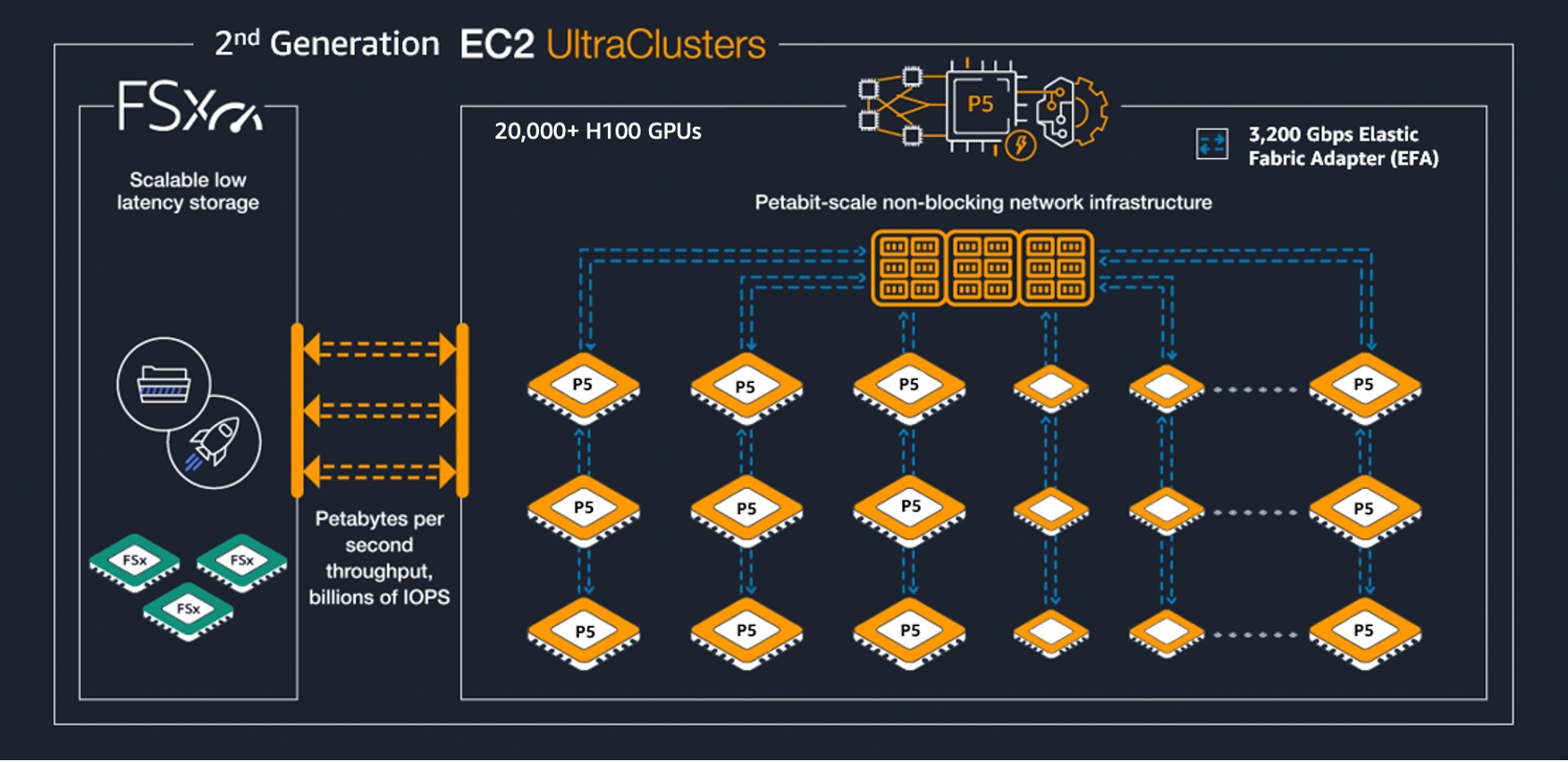
Akash Network operates as a decentralized supercloud, allowing users to lease unused computing power for various workloads beyond just graphics. It supports Docker containers, making it versatile for developers needing temporary compute instances. Participants earn AKT tokens by providing resources, creating a flexible income source that adapts to fluctuating demand across different computational tasks and applications.

4. Gensyn Distributed AI Verification
Gensyn focuses on decentralized AI verification, ensuring the accuracy of machine learning models through distributed computation. This network rewards users for validating AI outputs, a critical step in building trustworthy autonomous systems. By participating, hardware owners contribute to the integrity of AI infrastructure while earning rewards, positioning themselves at the forefront of the next wave of decentralized intelligence services.
5. Salad.com Cloud Gaming and Mining
Salad.com transforms idle PC time into earnings by combining cloud gaming with background crypto mining. Users can play games while their hardware contributes to decentralized networks, maximizing utility without sacrificing entertainment. This dual-purpose approach appeals to gamers who want to offset hardware costs, offering a unique blend of leisure and passive income generation through efficient resource utilization.

Pick the right fit
Choosing the best GPU DePIN network depends on your hardware capabilities and risk tolerance. The market has shifted from simple mining to specialized compute roles, so matching your rig to the right protocol is essential for positive ROI.
Not all networks accept the same hardware. Render Network and Akash primarily utilize NVIDIA GPUs for AI rendering and training tasks, leveraging CUDA cores for efficiency. If you hold AMD hardware, Helium Mobile is a viable alternative, though its compute-based earning potential differs significantly from NVIDIA-centric projects. Verify your specific GPU model against the network’s official hardware compatibility list before purchasing tokens or committing electricity.
Profitability is determined by the spread between token rewards and power consumption. High-performance GPUs draw substantial wattage, which can quickly erase earnings if your local electricity rate exceeds $0.10 per kWh. Calculate your potential net profit by subtracting your monthly power costs from projected daily earnings. Projects with lower power targets, such as those optimized for inference rather than heavy training, often provide more stable margins in high-cost regions.
Newer networks may offer higher initial rewards but carry greater risk of token devaluation or protocol changes. Established networks like Render have proven track records of consistent payouts and deeper liquidity, making it easier to exit positions. Always check the token’s trading volume on major exchanges. A network with low liquidity can trap your earnings, preventing you from converting rewards into usable currency even if the protocol remains active.


As an Amazon Associate, we may earn from qualifying purchases.
| Feature | Render Network | Akash Network | Helium Mobile |
|---|---|---|---|
| Primary Hardware | NVIDIA GPUs | NVIDIA/AMD GPUs | Mobile Hotspots |
| Use Case | AI Rendering | Cloud Compute | Wireless Coverage |
| Risk Level | Medium | Low | Medium-High |
The decision ultimately rests on balancing your available hardware against the specific demands of each network. By aligning your physical assets with the correct protocol, you avoid wasted electricity and ensure your GPU contributes meaningfully to the DePIN ecosystem.
No comments yet. Be the first to share your thoughts!