

Monetizing Idle GPUs on DePIN Marketplaces: Render vs io.net Provider Guide 2026
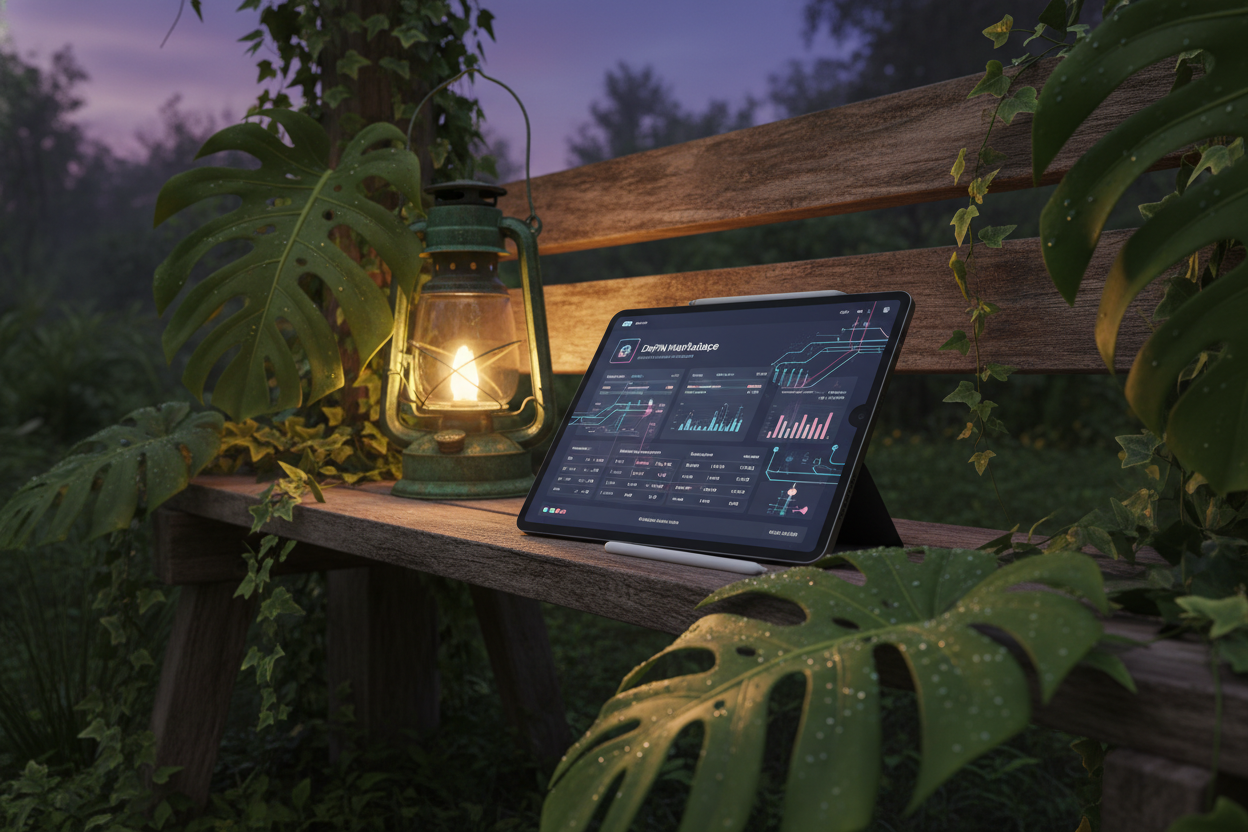
In the evolving landscape of decentralized physical infrastructure networks, or DePIN, GPU owners face a strategic moment in 2026. With Render (RNDR) trading at $1.43 and io. net (IO) at $0.109224, these platforms underscore the tangible value of idle hardware. As AI demand surges, monetizing idle GPUs on DePIN marketplaces offers a conservative path to passive income, sidestepping the volatility of direct crypto speculation.

Global GPU underutilization remains stark; data centers idle up to 70% of capacity, per io. net benchmarks. Providers tapping Render or io. net can capture this inefficiency, earning through AI training, rendering, or ML inference. Yet success hinges on platform choice: Render’s maturity versus io. net’s AI specialization.
Render Network: Proven Foundation for GPU Providers
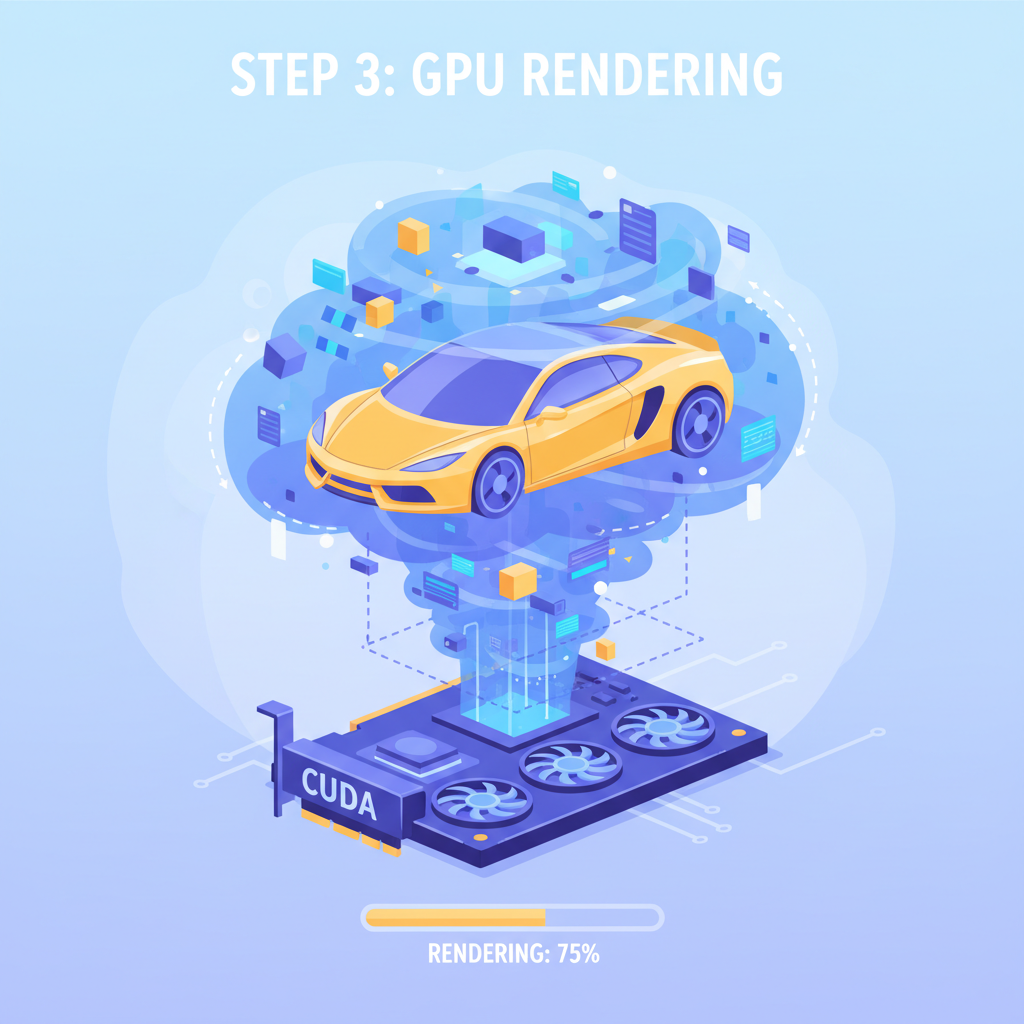
Render Network stands as a pillar in decentralized GPU marketplaces, evolving from CGI rendering to broader compute. Providers connect via OctaneRender or Blender integrations, rendering over 65 million frames to date. Its multi-tier pricing rewards node reputation, speed, and security, appealing to film and gaming creators now venturing into AI.
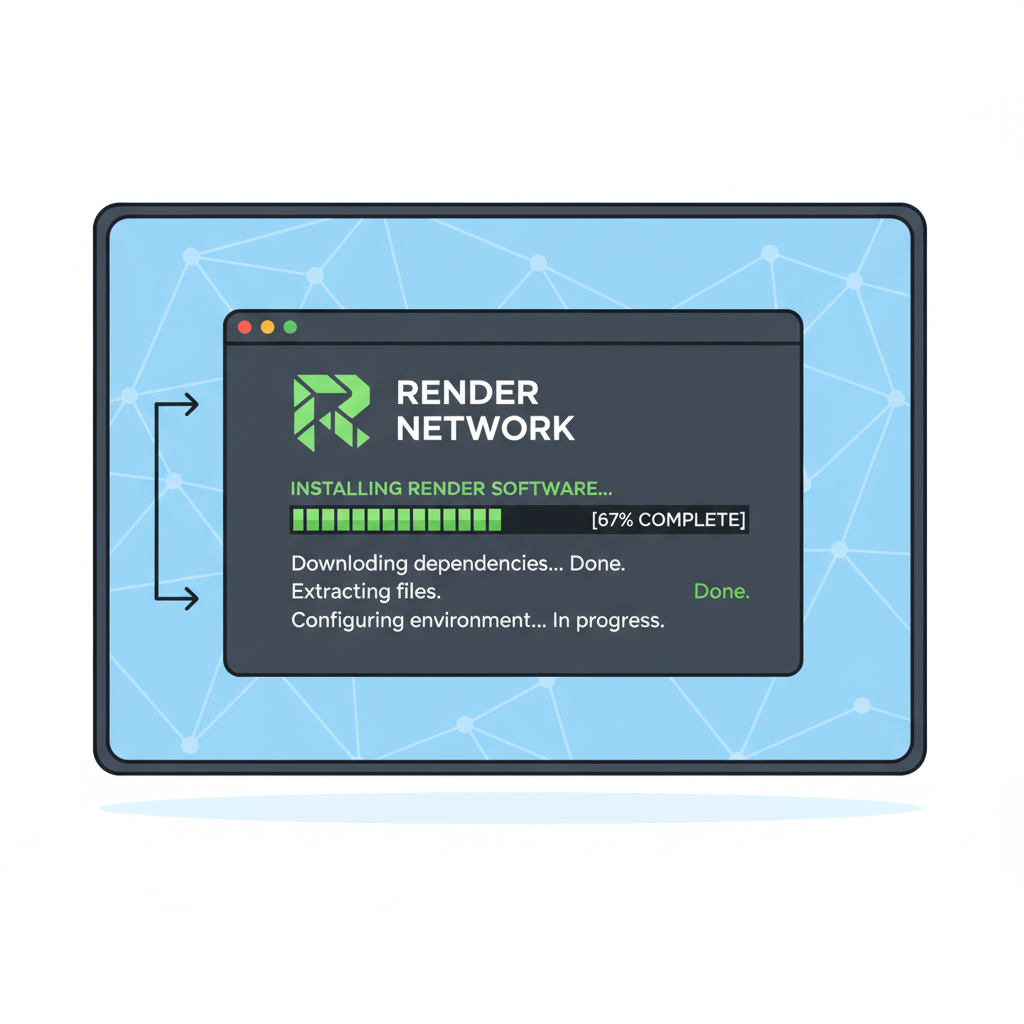
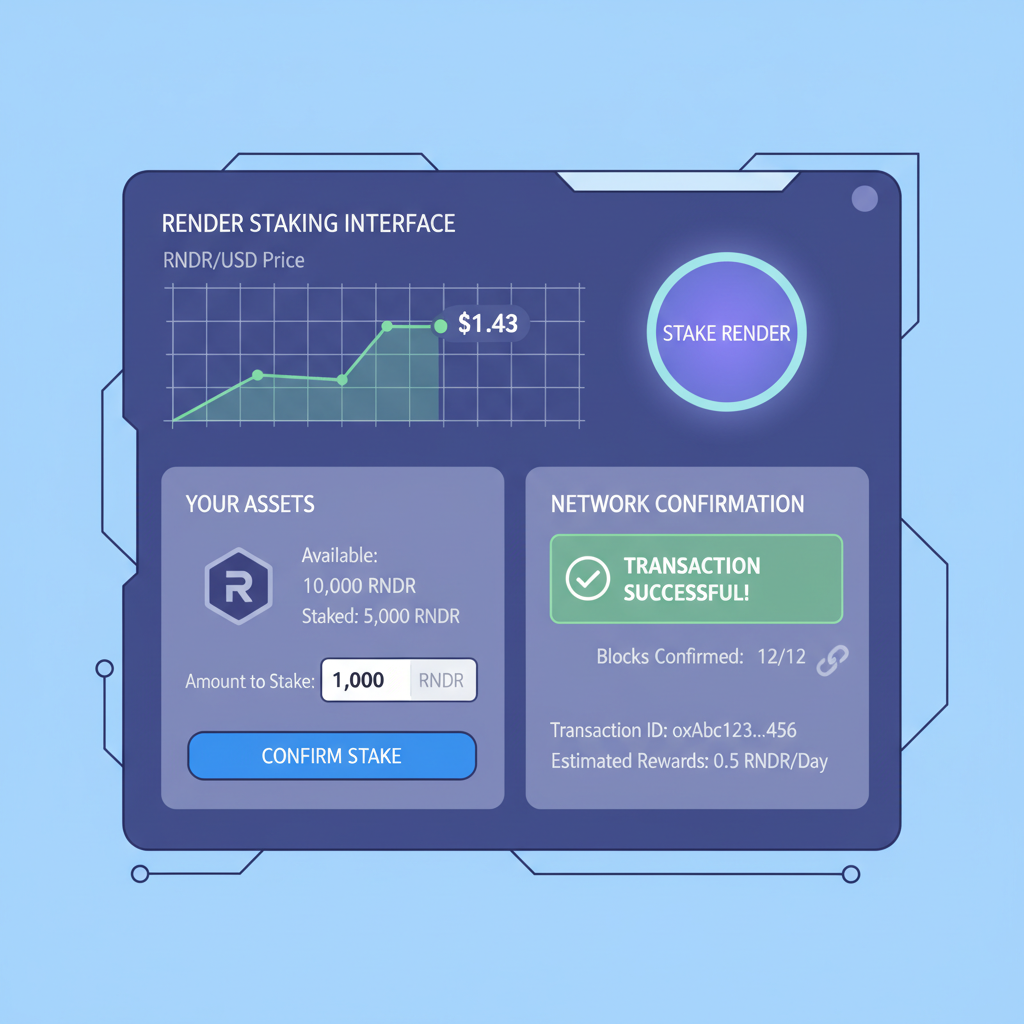
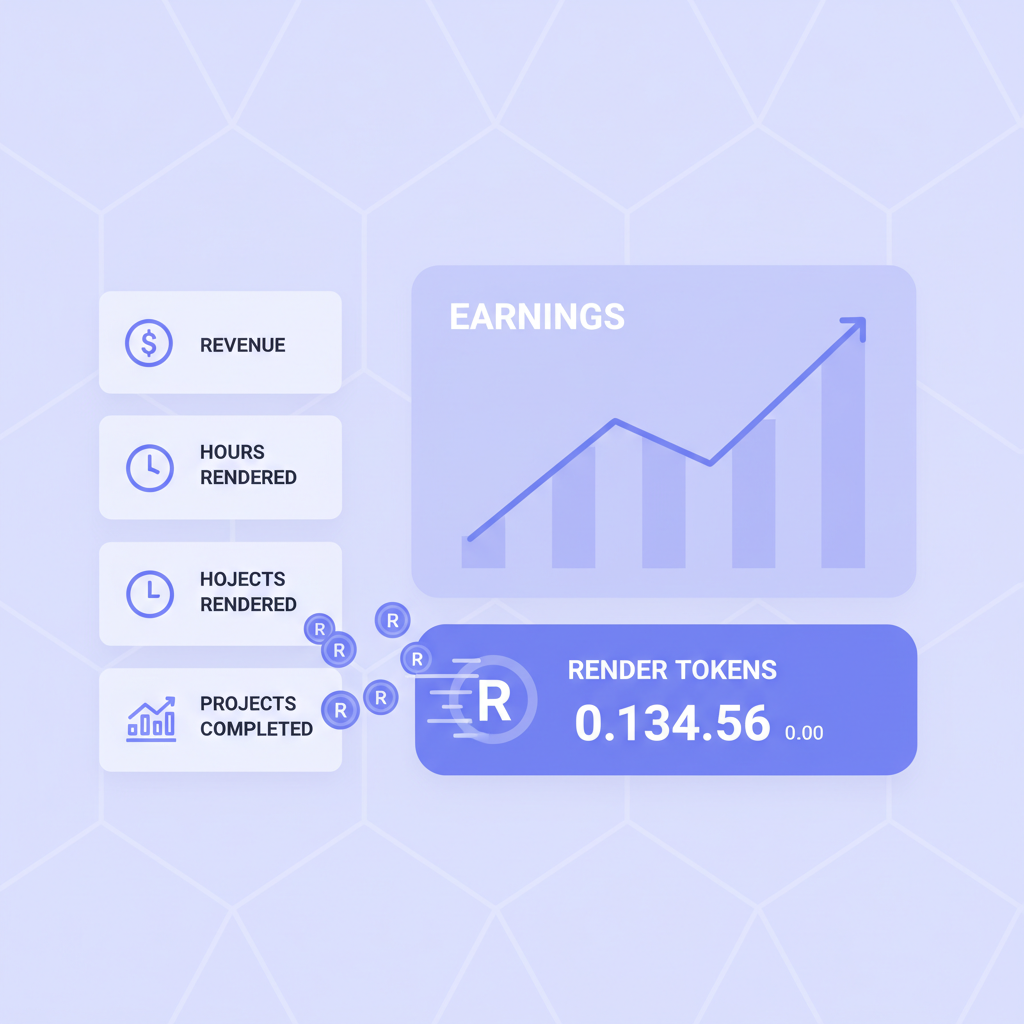
For Render Network GPU providers, onboarding is straightforward: install the node software, stake RENDER tokens, and list hardware. Earnings accrue in RENDER, currently at $1.43, with payouts tied to job completion. Market cap near $1.83 billion reflects institutional trust, per recent analyses. StoneX highlights Render’s model for sustainable passive income idle GPU 2026, balancing supply with verified demand.
Render’s model enables users to monetize unused GPU resources while providing distributed computing power to those in need.
Strategic providers prioritize high-end cards like RTX 4090s, achieving 20-30% utilization rates in peak cycles. Risks include token volatility, but dollar-cost averaging mitigates this, aligning with long-term DePIN adoption.

io. net: Agile Entry for AI-Centric Earnings
io. net disrupts with a laser focus on ML workloads, aggregating over 318,000 GPUs worldwide by early 2026. Launched post-2024, it slashes costs 70% below AWS or Azure, drawing developers to its cluster-ready portal. For io. net GPU rental earnings, suppliers list idle rigs from miners or data centers, earning IO tokens at $0.109224.
Setup emphasizes flexibility: no heavy staking, just hardware verification and flexible clusters. Benchmarks favor H100s or MI300X for AI clusters, with TCO guides aiding rollout. Providers report steady demand, fueled by inference needs where Tianrong estimates 50-80% savings via idle aggregation.
Render Network (RNDR) Price Prediction 2027-2032
Conservative outlook driven by AI expansion, DePIN adoption, and GPU monetization growth amid competition from io.net
| Year | Minimum Price (USD) | Average Price (USD) | Maximum Price (USD) |
|---|---|---|---|
| 2027 | $1.80 | $2.80 | $4.50 |
| 2028 | $2.20 | $3.50 | $6.00 |
| 2029 | $2.80 | $4.50 | $8.00 |
| 2030 | $3.50 | $6.00 | $12.00 |
| 2031 | $4.50 | $8.00 | $18.00 |
| 2032 | $6.00 | $11.00 | $25.00 |
Price Prediction Summary
From a 2026 baseline of $1.43, RNDR is projected to experience steady growth through 2032, with average prices climbing to $11.00 amid bullish DePIN and AI trends. Minimums reflect bearish market cycles and competition, while maximums capture high adoption scenarios, implying up to 17x potential from current levels.
Key Factors Affecting Render Network Price
- AI/ML workload expansion boosting GPU demand
- Idle GPU monetization via DePIN marketplaces like Render vs. io.net
- Crypto market cycles and regulatory clarity
- Technological advancements in decentralized computing
- Competition from io.net (targeting $0.25 by 2026) and other DePIN projects
- Market cap growth potential from $1.83B to $10B+ in bullish cases
Disclaimer: Cryptocurrency price predictions are speculative and based on current market analysis.
Actual prices may vary significantly due to market volatility, regulatory changes, and other factors.
Always do your own research before making investment decisions.
io. net’s edge lies in speed; 20,000 cluster-ready GPUs signal scalability. Yet its smaller $115 million cap demands vigilance on network maturity. GPU owners with AI-tuned setups thrive here, converting idle time to revenue streams.
Strategic Factors Shaping Your Provider Choice
Comparing the duo reveals nuanced paths. Render suits diversified workloads, its established base ensuring consistent jobs. io. net excels for AI purists, promising higher margins amid model training booms. Both leverage DePIN’s trustless verification, but hardware fit dictates viability: consumer GPUs for Render, enterprise for io. net.
| Feature | Render Network | io. net |
|---|---|---|
| Primary Focus | GPU rendering; AI expansion | AI/ML cloud compute |
| GPU Scale | 65M and frames rendered | 318K and GPUs aggregated |
| Earnings Model | Reputation-tiered RENDER | Flexible IO rewards |
Market dynamics as of February 20,2026, show RNDR down 2.72% to $1.43, IO off 1.02% at $0.109224. These dips reflect broader cycles, yet DePIN fundamentals strengthen. Providers pondering entry should assess electricity costs against projected yields, favoring low-latency internet and reliable uptime.
Electricity costs, often overlooked, can erode margins; a single RTX 4090 draws 450W, so providers in regions with rates below $0.10/kWh hold an edge. Uptime targets above 95% unlock premium tiers on both platforms, where decentralized GPU marketplace providers command higher bids.
Render Network Onboarding: A Measured Approach
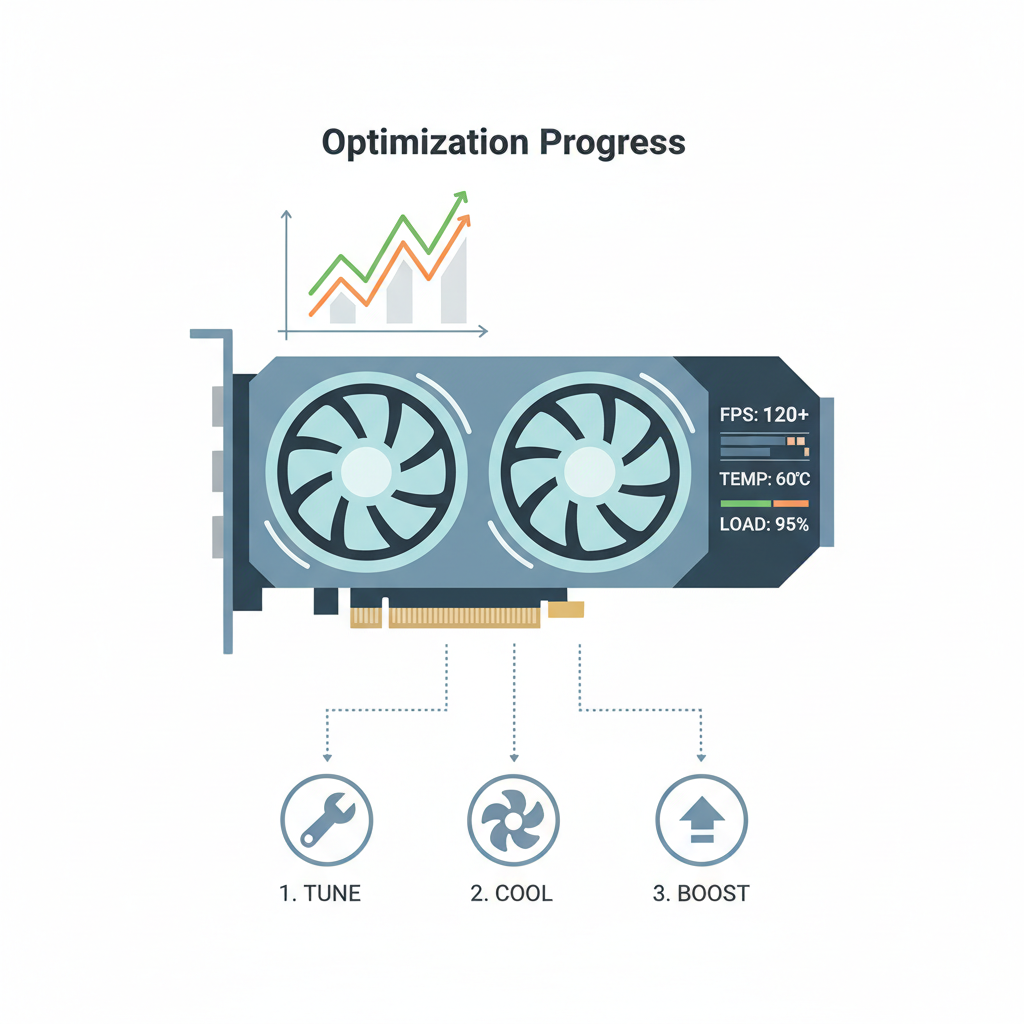
Becoming a Render Network GPU provider demands deliberate steps. Download the OctaneRender node from the official dashboard, verify compatibility with your NVIDIA cards, RTX 30/40 series excel, and stake a modest RENDER amount, around 100 tokens at $1.43 each. The network’s reputation system rewards consistent performance, with jobs dispatched via API to tools like Blender. Expect initial earnings of $0.50-$2 per GPU-hour for rendering, scaling with demand from AI-enhanced VFX pipelines.
Strategic Render Network Onboarding: Monetize Idle GPUs in 2026
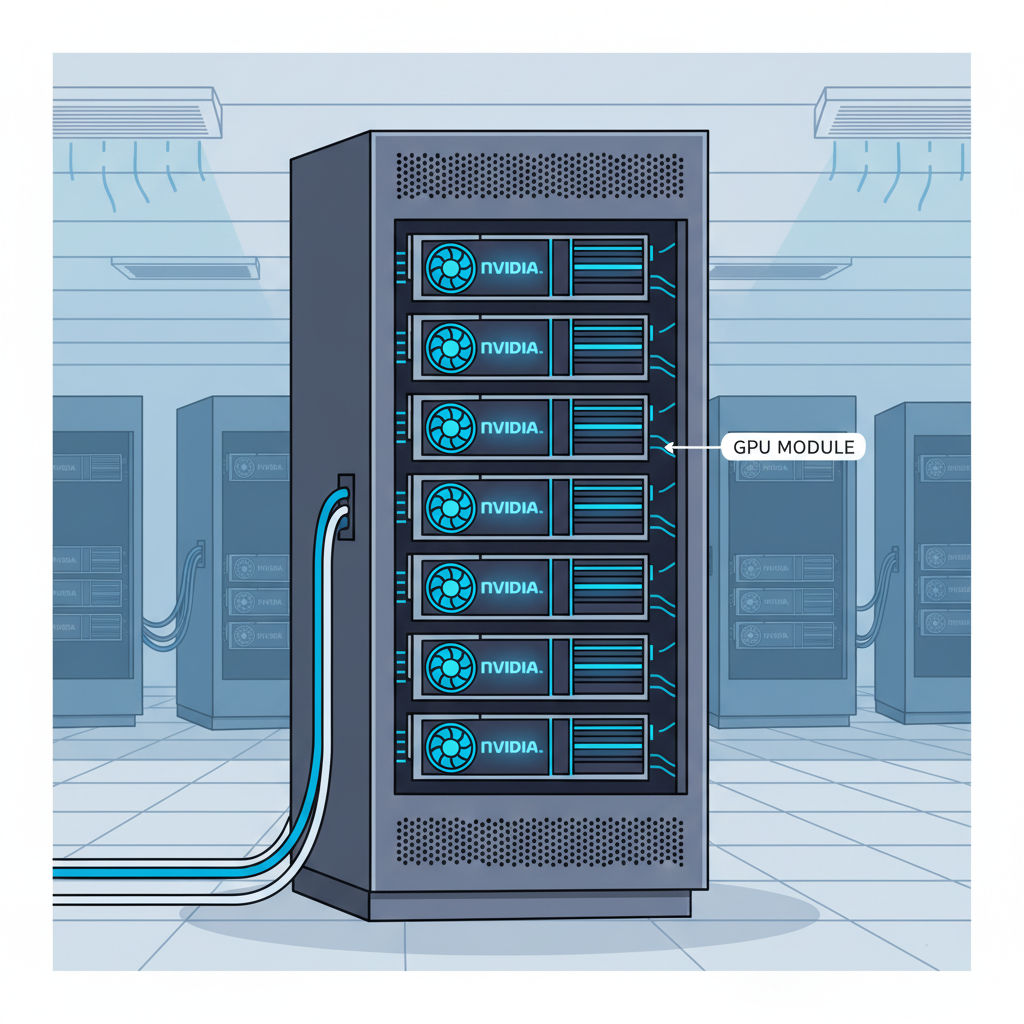


Reflecting on cycles, Render’s endurance through bear markets positions it for AI crossover. Providers who diversified early, blending rendering with ML inference, report annualized yields of 15-25% on hardware capex, net of power.
io. net Onboarding: Streamlined for Scale
io. net streamlines entry for io. net GPU rental earnings. Register via the supplier portal, submit hardware specs for verification, no staking required, and join clusters tailored to H100 or consumer-grade setups. Its dashboard clusters idle capacity dynamically, matching jobs to workloads like fine-tuning LLMs. Payouts in IO at $0.109224 flow weekly, with reported rates of $0.30-$1.50 per GPU-hour amid 70% cloud savings for renters.
This agility suits strategic operators scaling from home rigs to miner repurpose. Yet io. net’s youth invites scrutiny; monitor cluster fill rates, as early adopters note variability outside peak AI seasons.
💰 Real Earnings Benchmarks: Render vs io.net for Idle GPUs (2026 Projections)
| Metric | Render Network | io.net |
|---|---|---|
| Average Hourly Rate (RTX 4090, USD) | $0.30 | $0.35 |
| Average Hourly Rate (NVIDIA H100, USD) | $1.80 | $2.20 |
| Minimum Uptime Requirement | 80% | 85% |
| Projected Annual Passive Income (RTX 4090, 80% uptime, USD) | $2,102 | $2,453 |
| Projected Annual Passive Income (NVIDIA H100, 80% uptime, USD) | $12,614 | $15,418 |
Earnings Projections and Risk Calibration
Projecting passive income idle GPU 2026 requires temperance. A 4x RTX 4090 rig on Render might net $1,200 monthly at 50% utilization, per provider forums, while io. net equivalents yield $900 on AI bursts. Factor token prices: RNDR’s $1.43 stability versus IO’s $0.109224 growth potential. Diversify across platforms to hedge; allocate 60% to Render’s reliability, 40% to io. net’s upside.
| GPU Model | Render Est. Monthly (4x Rig) | io. net Est. Monthly (4x Rig) |
|---|---|---|
| RTX 4090 | $1,200 | $900 |
| H100 | $2,800 | $3,200 |
Risks loom: network congestion delays payouts, regulatory shifts target energy use, and token depreciation tests resolve. Mitigate with off-chain conversions, insurance via DePIN DAOs, and hardware resale liquidity. As a long-term investor, I favor providers treating this as infrastructure yield, not speculation, echoing bonds over memes.
DePIN shifts empower resource owners to monetize idle power, fostering fairer competition.
Broader DePIN Landscape and Strategic Positioning
Beyond Render and io. net, peers like Aethir and Akash nibble edges, but lack AI depth. Titan Network’s guides underscore participation sans hype, while Orochi stresses proof-of-service. For 2026, monetize idle GPUs DePIN thrives on hybrid strategies: stake selectively, monitor via dashboards, and reinvest 20% yields into upgrades. With RNDR at $1.43 and IO at $0.109224, today’s entry mirrors early cloud cycles, patient capital wins.
GPU owners stand at DePIN’s inflection. By aligning hardware with platform strengths, conserving power, and cycling rewards strategically, sustainable income emerges, not from chases, but enduring networks.